

Buying a home is one of the biggest financial decisions you’ll ever make. Whether you’re purchasing your first home, upgrading to accommodate a growing family, or investing in real estate, you want to feel confident that the property you’re buying is in good condition.
One topic that often causes concern during a home inspection is foundation cracks.
I’ve seen many buyers become anxious the moment they hear the word “crack.” It’s understandable. The foundation supports the entire home, so it’s natural to assume that any crack must mean an expensive structural problem.
Fortunately, that isn’t always the case.
After performing home inspections throughout Barrhaven, Ottawa, Kanata, Stittsville, Nepean, Orleans, Rockland, Kemptville, Arnprior, Carleton Place, and Cornwall, I’ve learned that many foundation cracks are relatively common. The key isn’t simply identifying that a crack exists—it’s understanding what it may indicate and evaluating it within the context of the home’s overall condition.
If you’re searching for Home Inspection Barrhaven, Home Inspection Ottawa, Home Inspection Near Me, Home Inspection Cost, Home Inspections Ontario, or Best Home Inspector Ottawa, here’s what I believe every buyer should know about foundation cracks before closing.
Not Every Foundation Crack Is a Serious Problem
One of the biggest misconceptions I hear is that every crack means the foundation is failing.
That’s simply not true.
Concrete naturally changes over time.
As homes settle and seasonal temperatures fluctuate, it’s common for concrete to develop some cracking.
The presence of a crack alone does not determine whether there is a significant concern.
Instead, I evaluate several factors to better understand what the visible conditions may indicate.
The Foundation Supports the Entire Home
The foundation carries the weight of the entire structure.
It supports:
- Exterior walls
- Interior framing
- Floors
- Roof systems
- Mechanical equipment
Because of its importance, I always spend considerable time evaluating the visible portions of the foundation during every inspection.
A careful assessment provides buyers with valuable insight into one of the home’s most important structural components.
I Never Look at a Crack by Itself
One of the most important parts of my inspection process is evaluating the home as a complete system.
Rather than focusing on one isolated observation, I ask questions such as:
- Are there other signs of movement?
- Is moisture present?
- How is the drainage around the property?
- Does the crack appear consistent with the home’s age?
- Are there signs of previous repairs?
Looking at the complete picture provides far more useful information than simply noting that a crack exists.
I Evaluate the Pattern of Visible Cracks
Every visible crack tells part of the home’s story.
During my inspection, I carefully observe characteristics such as:
- Location
- Length
- Direction
- General appearance
- Whether there are visible signs of previous repair
These observations help me better understand the overall condition of the foundation.
Rather than making assumptions, I evaluate how the visible conditions relate to the rest of the property.
Moisture Is Just as Important as the Crack
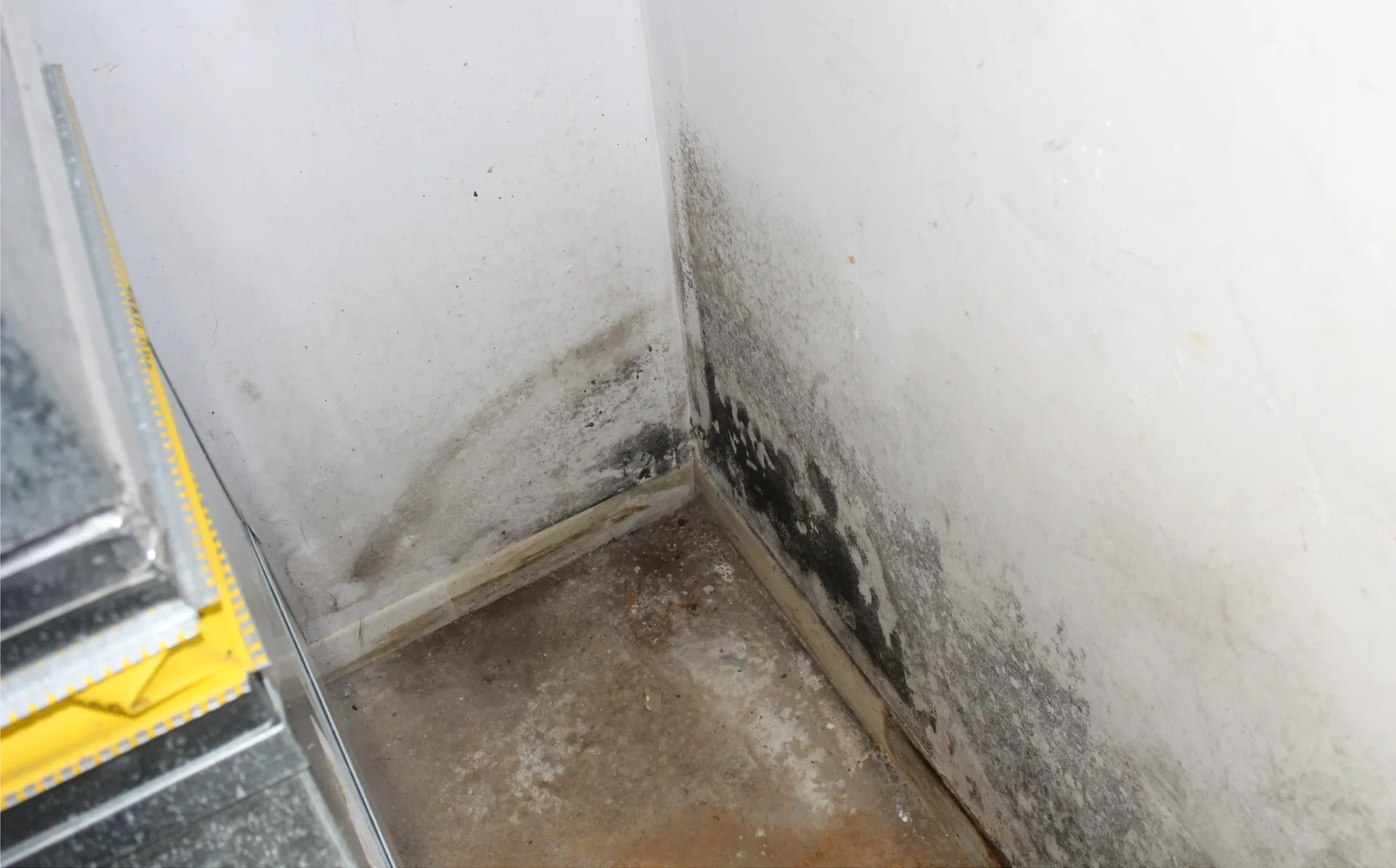
One thing I pay very close attention to is whether moisture is associated with visible foundation observations.
During the inspection, I look for:
- Water staining
- Damp areas
- Efflorescence
- Moisture indicators
- Signs of previous water intrusion
Sometimes the foundation itself isn’t the biggest concern.
Instead, poor water management around the home may contribute to conditions that deserve attention.
Understanding the relationship between moisture and the foundation is an important part of every inspection.
Exterior Drainage Plays a Major Role
Many foundation concerns begin outside the home rather than inside it.
That’s why I carefully inspect:
- Property grading
- Gutters
- Downspouts
- Surface drainage
- Landscaping around the foundation
Water should move away from the home efficiently.
When water repeatedly collects beside the foundation, it may increase the likelihood of moisture-related issues over time.
Evaluating drainage is one of the most valuable parts of the inspection process.
The Basement Often Provides Valuable Clues
The basement is one of the best places to evaluate the foundation because much of it is visible.
During my inspection, I examine:
- Foundation walls
- Basement corners
- Utility rooms
- Mechanical areas
- Visible concrete surfaces
I’m looking for observations that help explain how the home has performed over the years.
Many buyers spend only a few minutes in the basement during a showing.
A professional inspection allows for a much more thorough evaluation.
Finished Basements Require Careful Observation
A finished basement can make a home feel warm, comfortable, and inviting.
However, finished walls naturally limit the amount of foundation that can be observed.
In these situations, I carefully evaluate all visible and accessible areas while looking for subtle indicators that may suggest moisture or movement.
Even when the foundation itself isn’t fully visible, other observations often provide valuable information.
Foundation Repairs Aren’t Always a Bad Sign
Sometimes I find evidence that repairs have been completed in the past.
Many buyers assume previous repairs automatically indicate major problems.
That’s not necessarily true.
In many cases, repairs simply demonstrate that maintenance was performed when needed.
During the inspection, I evaluate visible repairs as part of the home’s overall history.
Understanding how previous work relates to the home’s current condition helps buyers make informed decisions.
Seasonal Changes Affect Foundations
Homes in Barrhaven experience:
- Freezing winters
- Spring snowmelt
- Heavy rainfall
- Summer heat
- Changing soil moisture levels
These seasonal changes naturally influence how concrete performs over time.
This is one reason why evaluating the foundation in the context of the local environment is so important.
Experience with homes in the Ottawa area helps me recognize observations that are commonly seen in our climate.
I Also Look Beyond the Foundation
The foundation isn’t evaluated in isolation.
I also observe other parts of the home that may provide additional information.
These include:
- Doors
- Windows
- Floors
- Exterior walls
- Basement conditions
Together, these observations help create a more complete understanding of how the home is performing.
Every Home Settles Differently
No two homes age exactly the same way.
Factors such as:
- Construction methods
- Soil conditions
- Drainage
- Maintenance
- Landscaping
- Weather exposure
all influence how a home performs over time.
That’s why every inspection is unique.
Rather than comparing one property to another, I evaluate each home based on its own visible characteristics.
Foundation Observations Help Buyers Plan Ahead
One of the greatest benefits of a home inspection is preparation.
Even when a foundation is performing well, buyers benefit from understanding:
- Routine maintenance
- Drainage improvements
- Areas to monitor
- Seasonal care
Being proactive often helps prevent small concerns from becoming larger repair projects later.
I Explain My Findings in Plain Language
Foundation discussions can sound intimidating.
I believe buyers deserve explanations they can actually understand.
Whenever I identify an observation, I explain:
- What I saw
- Why I noted it
- What it may indicate
- Whether monitoring or additional attention may be appropriate
Clear communication helps replace uncertainty with confidence.
Every Inspection Report Will Include Observations
Many first-time buyers expect an inspection report to come back completely clean.
The reality is that every home has maintenance items.
That includes the foundation.
Finding observations doesn’t automatically mean you’ve made a bad purchase.
Instead, the report provides information that helps you understand the home’s current condition and prepare for responsible homeownership.
Why I Encourage Buyers to Attend the Inspection
Whenever possible, I encourage buyers to attend the inspection with me.
Walking through the basement and exterior together allows me to explain:
- Visible foundation conditions
- Drainage observations
- Moisture indicators
- Preventative maintenance recommendations
Many buyers leave the inspection feeling much more comfortable because they’ve had the opportunity to see the home firsthand rather than simply reading about it later.
Knowledge Helps You Make Better Decisions
A home inspection doesn’t tell you whether you should buy a home.
Instead, it gives you the information you need to make that decision confidently.
Understanding the foundation allows buyers to:
- Better understand the property
- Plan future maintenance
- Budget realistically
- Move forward with greater confidence
That’s the true value of a professional inspection.
Why Experience Matters
After inspecting hundreds of homes throughout Barrhaven and the surrounding Ottawa area, I’ve developed a strong understanding of the types of foundation observations commonly found in local homes.
Experience helps me recognize:
- Normal aging patterns
- Moisture indicators
- Drainage concerns
- Visible settlement observations
- Maintenance opportunities
More importantly, it allows me to explain these findings in practical language that buyers can easily understand.
Final Thoughts
Foundation cracks naturally attract attention, but they should always be evaluated in context.
A professional home inspection looks beyond the crack itself to understand how the home’s foundation, drainage, moisture management, and structural systems are performing together.
If you’re searching for:
- Home Inspection Barrhaven
- Home Inspection Ottawa
- Home Inspection Near Me
- Home Inspection Ottawa Cost
- Home Inspection Cost
- Best Home Inspector Ottawa
- Home Inspections Ontario
remember that the goal of a home inspection isn’t to alarm buyers—it’s to provide clarity.
Understanding the visible condition of the foundation before closing helps you make informed decisions, prepare for future homeownership, and move forward with confidence.
Because when you understand what you’re looking at, foundation cracks become part of the home’s story—not simply a reason to worry.