

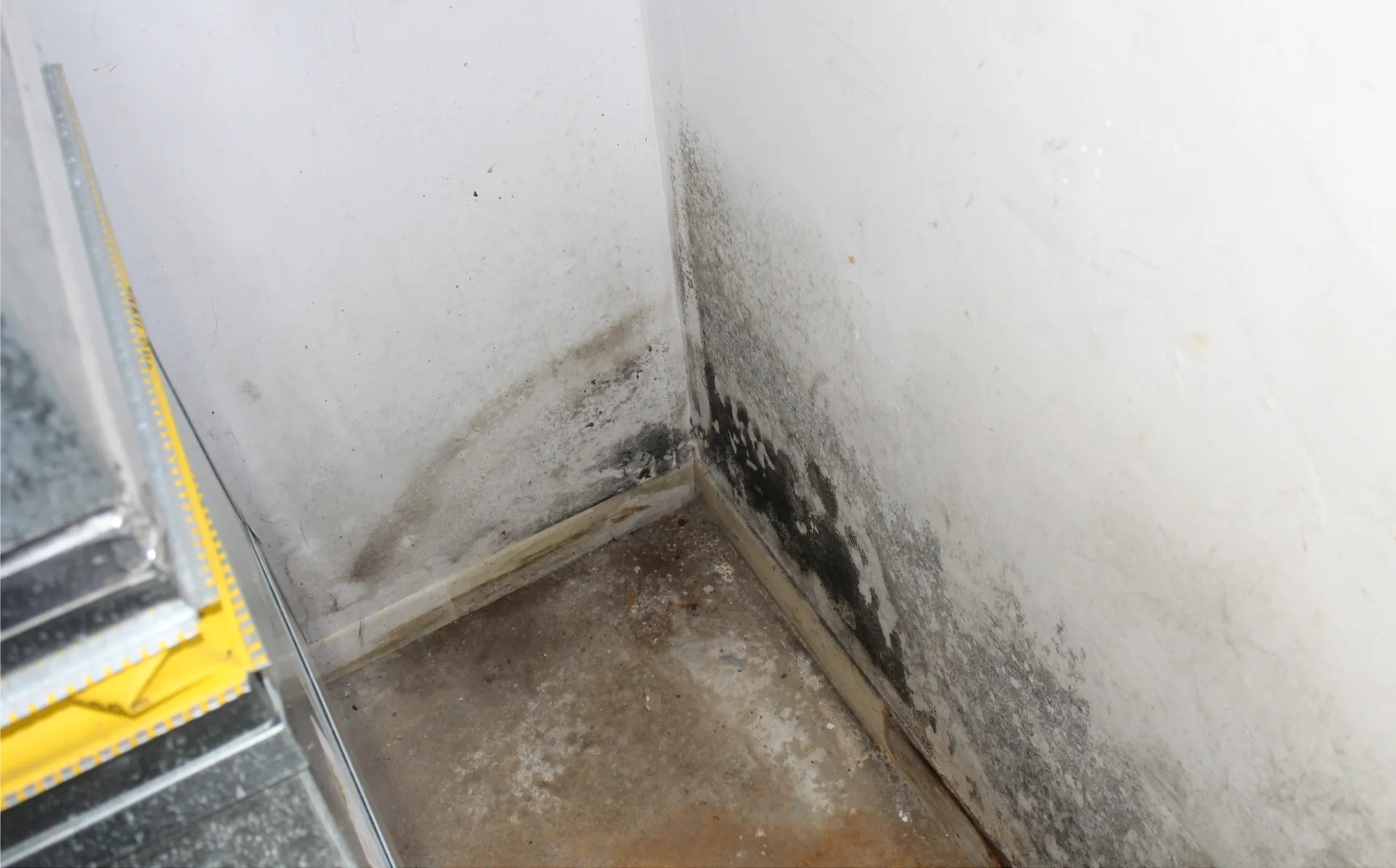
Water damage rarely starts with a dramatic basement flood or a burst pipe. In almost every Ottawa, Kemptville, Arnprior, Barrhaven, Orleans, Rockland, or Cornwall home I’ve inspected, the earliest signs of water intrusion were small — almost unnoticeable. But they were there.
The truth is that a home almost always whispers long before it ever screams. My job is to catch those whispers.
Major water damage doesn’t begin with soaked drywall, ruined flooring, or mold spreading across a cold basement wall. It begins with clues — clues most homeowners never see, overlook, or don’t know how to interpret. After inspecting hundreds of homes throughout Eastern Ontario, I’ve learned to identify these small, early-stage warning signs before they lead to repair costs in the thousands.
In this long-form guide, I’ll walk you through the subtle indicators I watch for during every home inspection — the quiet red flags that show a home may be on the path toward water damage long before it becomes obvious.
These indicators aren’t dramatic. They’re small. They’re subtle.
But catching them early prevents disaster.
Why Water Damage Is the Most Expensive Threat to an Ottawa Home
Before I break down the specific signs, it’s important to understand why water issues escalate so quickly in our region.
Ottawa, Kemptville, Arnprior, and surrounding areas have:
- Clay-heavy soils that hold water
- Long freeze–thaw cycles that widen cracks
- Spring melts that overload drainage systems
- High groundwater levels in certain communities
- Older homes with aging foundations
- Newer homes built on land with heavy moisture retention
Water intrusion is both slow and destructive.
It rots structures.
It corrodes metals.
It spreads mold.
It weakens foundations.
It destroys insulation.
It causes hidden electrical hazards.
But it always starts small — with subtle shifts that I’ve learned to detect early.
Let’s break down those signs.
1. Temperature Irregularities on Basement Walls
One of the smallest yet most revealing clues of early-stage moisture is a temperature difference on foundation walls. When I scan basement walls with thermal imaging, I’m not looking for puddles — I’m looking for cold anomalies.
What a cold anomaly means:
- Moisture cools surfaces faster than dry concrete.
- Water conducts heat differently, leaving a recognizable pattern.
- Even a slow seep will create a temperature pocket long before visible dampness appears.
What I look for:
- A subtle drop of even two or three degrees
- Cold sections near floor edges
- Vertical cold streaks following cracks
- Cooler bands around window wells
These temperature differences often appear weeks or months before the basement actually feels damp.
2. Hairline Cracks That Are Narrower at the Top Than the Bottom
Not every foundation crack is a concern. Some are cosmetic. Some are expected.
But certain crack shapes tell a different story.
The crack pattern that signals water risk:
- Narrower at the top
- Wider as it moves downward
- Slight mineral staining (white powder)
- Hairline width, not yet severe
This shape indicates water pressure pushing against the wall from outside — a precursor to seepage.
Even if the crack is barely visible, the shape reveals directional pressure.
3. Efflorescence That Appears New, Not Old
Efflorescence (white chalky powder) on basement walls is common. But I’m looking not just for efflorescence — I’m looking for fresh efflorescence.
How I tell the difference:
- New efflorescence: Bright white, soft, powdery, easily brushed off
- Old efflorescence: Yellow or grey, hardened, crust-like
Fresh deposits mean active moisture movement is taking place behind the concrete.
It’s one of the earliest signs a basement is beginning to draw groundwater toward the inside.
4. Slight Bowing or Movement Near Interior Corners
Interior corners in basements are where the earliest structural changes often appear.
I look for:
- Tiny shadow lines in drywall
- Corners that feel slightly “pushed inward”
- Hairline splits along vertical seams
- Slight separation between baseboard and wall
This subtle movement often indicates hydrostatic pressure building up behind the foundation — one of the leading causes of basement leaks in Kemptville and Arnprior.
5. Dust Lines or “Dirty Outlines” on Concrete Floors
Most homeowners ignore the faint outlines left behind by previous water intrusion. I don’t.
When I see:
- A dusty ring
- A subtle stain
- A slightly darker perimeter around wall edges
- Lines that follow the floor slope
…it tells me water was here — even if the area is dry now.
These marks often reveal:
- Past seepage
- Seasonal flooding
- Slab sweating
- Capillary moisture movement
Even when the basement seems dry, these lines tell the story of how the home behaved in previous seasons.
6. Baseboards That Look Perfect — But Sound Hollow When Tapped
One of my favorite techniques is tapping baseboards near basement edges or exterior walls.
A normal baseboard sounds:
- Solid
- Tight
- Consistent
A moisture-affected baseboard sounds:
- Thinner
- Hollow
- Slightly swollen
- More “papery”
Baseboards absorb moisture long before walls show stains.
7. Paint That Looks “Lifted” or “Softened” on the Bottom Inch of a Wall
I often detect water problems by examining the texture, not the color, of painted surfaces.
I look for:
- Slight bubbling
- Raised grain under paint
- Paint that feels softer at the bottom
- Light rippling when viewed in angled light
These small texture differences reveal moisture wicking upward through drywall — a process called capillary action.
8. Flooring That Isn’t Warped — But Is Warmer or Cooler Than Surrounding Areas
Moisture under flooring creates thermal inconsistencies, even when the flooring itself appears flat and perfect.
I check:
- Laminate flooring for slight temperature differences
- Tile floors for cool patches
- Carpeted basements for warmth indicating mold-friendly moisture
Even a half-degree difference can signal early-stage seepage.
9. Window Condensation Patterns That Aren’t Related to Humidity
Everyone knows winter causes condensation on windows. But I pay attention to patterns:
Moisture that gathers:
- At the bottom corners only
- On just one side of the window
- On the wall around the window
- On the sill even when humidity is normal
…often points to exterior water entry, not indoor humidity.
10. Soil Patterns Outside That Reveal Hidden Drainage Issues
The exterior of a home tells the story before the interior ever does.
During inspections, I examine:
- Soil erosion around downspouts
- Shingle runoff patterns
- Soil crusting near foundation edges
- Small dips that collect meltwater
- Discoloration lines on siding close to the ground
- Grass growth that looks uneven near the foundation
These subtle indicators show whether water is being directed properly or pooling near the home.
11. Slight Odours That Only Appear After Snow Melts or Rainfalls
Some homeowners don’t notice slight damp odours because they come and go.
But I’ve learned exactly what timing reveals.
Odours that appear:
- After a heavy rain
- When the snow around the house melts
- Only in specific corners of the basement
- After running the shower or dishwasher
…tell me where moisture may be entering or pooling.
12. Tiny Spots of Corrosion on Metal Surfaces
Metal is honest — it reacts to moisture quicker than wood or concrete.
I always look at:
- Nail heads
- Furnace legs
- Bottom of water heaters
- Washer/dryer connections
- Electrical conduit in basements
- Metal shelving or toolboxes
Even a speck of rust can indicate moisture accumulation nearby.
Why These Small Signs Matter So Much
Every major water damage case I’ve seen started with something small:
- A tiny crack
- A faint stain
- A subtle smell
- A temperature anomaly
- A minor draft
- A slight shift in a wall
- A barely noticeable discoloration
By the time water visibly enters a basement, the home may have gone through weeks, months, or even years of subtle warning signs.
Catching these issues early doesn’t just save homeowners money —
it protects the structure, the indoor air quality, and the long-term value of the property.
How I Help Homeowners Prevent Water Damage Before It Starts
When I identify subtle warning signs, I don’t simply document them — I help homeowners build a clear action plan.
This usually includes:
- Improving grading
- Extending downspouts
- Correcting negative soil slope
- Testing sump pump function
- Scheduling foundation crack repair
- Installing better window well drainage
- Upgrading attic ventilation (to prevent ice dam leaks)
- Using thermal imaging to follow moisture trails
- Recommending humidity control improvements
Small improvements made early prevent major catastrophes later.
Final Thoughts: Homes Always Warn Us Before Water Damage Happens — If You Know How to Listen
The most dangerous water issues aren’t dramatic floods — they’re the tiny, subtle changes that slowly undermine a home’s structure.
And these signs are almost always present long before disaster arrives.
My role as a home inspector is not just to tell you what’s wrong —
it’s to detect the earliest signs of trouble before they grow into expensive repairs.
In Kemptville, Arnprior, Ottawa, Barrhaven, Orleans, Rockland, and surrounding communities, hidden moisture risks are extremely common because of our soil, climate, and seasonal patterns.
Catching these signs early saves homeowners:
- Stress
- Money
- Unexpected repairs
- Structural damage
- Mold problems
- Insurance claims
You shouldn’t wait for water damage to show itself.
Your home already hints at what’s coming — and the earlier we catch it, the better protected you’ll be.