

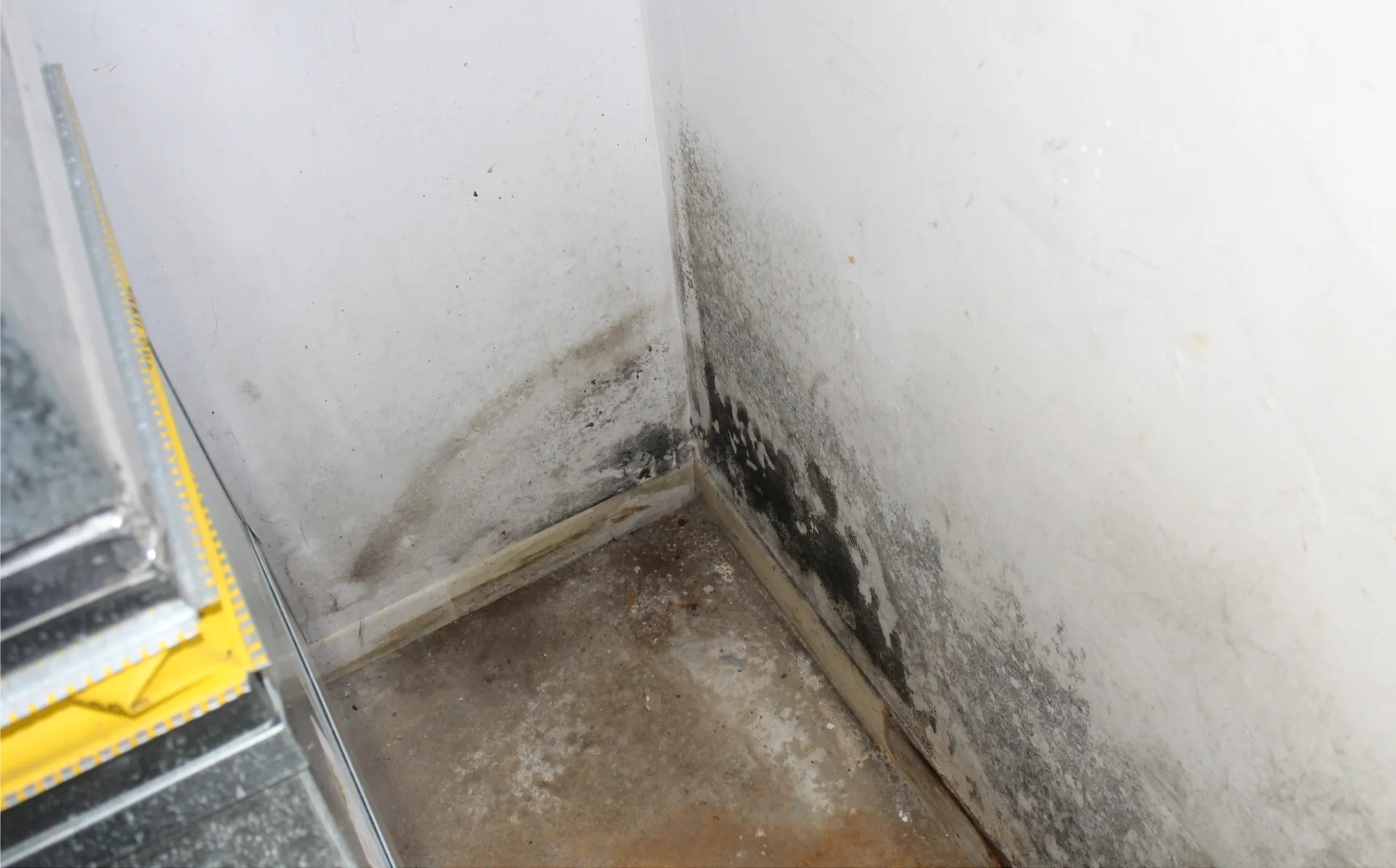
Most homeowners imagine moisture problems as obvious events — a flooded basement, a dripping pipe, or a visible roof leak. But in the majority of homes I inspect in Orleans, Rockland, and Cornwall, moisture doesn’t announce itself loudly. It moves quietly, slowly, and methodically, following paths that most people never think to check.
By the time moisture becomes visible, it’s usually been present for a long time.
During inspections, I don’t just look for wet spots. I look for movement. Moisture almost never stays where it enters. It travels through building materials, follows pressure differences, rides temperature changes, and settles in places that seem completely unrelated to the original source.
In this long-form guide, I want to explain the subtle, often invisible ways moisture moves through homes in Orleans, Rockland, and Cornwall — and why understanding these pathways is one of the most important parts of protecting a home long term.
Why Moisture Behaves Differently in Eastern Ontario Homes
Homes in Orleans, Rockland, and Cornwall face a unique combination of factors that influence how moisture travels:
- Clay-heavy soils that hold water near foundations
- Seasonal freeze–thaw cycles that open and close pathways
- High spring groundwater levels
- Hot, humid summers followed by cold winters
- Older housing stock mixed with newer developments
- Basements that sit partially or fully below grade
These conditions create constant pressure for moisture to move — not just inward, but upward, sideways, and diagonally through the home.
Moisture doesn’t need an open leak. It only needs an opportunity.
Moisture Rarely Takes the Shortest Path
One of the biggest misconceptions I encounter is the belief that moisture appears directly where it enters. In reality, moisture often travels several feet — sometimes across multiple materials — before revealing itself.
I’ve inspected homes where:
- A basement wall showed dampness caused by roof runoff
- Ceiling stains were caused by bathroom humidity two rooms away
- Floor damage originated from exterior grading problems
- Mold appeared far from any visible water source
Moisture follows physics, not floor plans.
How Moisture Moves Through Foundations Without Obvious Leaks
In Orleans and Rockland especially, I frequently see moisture moving through foundation walls without any visible cracks or openings.
This happens through a process called capillary action.
Concrete is porous. Even when it looks solid, it contains microscopic pathways that allow moisture to wick through it slowly. Over time, this moisture migrates inward, particularly where soil remains damp against the foundation.
Signs I watch for include:
- Efflorescence that appears in faint patterns
- Darkening of concrete near floor edges
- Dampness that feels cool but not wet
- Baseboards that subtly warp at the bottom
- Odours that intensify during seasonal changes
These homes often don’t “leak” — they breathe moisture.
The Way Moisture Climbs Upward From Basements
Moisture doesn’t only move horizontally. In many Cornwall homes with older basements, I see moisture traveling upward through framing, drywall, and insulation.
This happens when:
- Basement air is humid
- Warm air rises naturally
- Moisture attaches to air movement
- Wall cavities act like chimneys
The result is moisture accumulating:
- Behind main-floor walls
- Inside insulation above basements
- Around rim joists
- Beneath window sills on upper levels
Homeowners often blame these issues on condensation or poor ventilation, but the moisture source started much lower.
Basements quietly feed moisture into the rest of the house.
How Exterior Water Finds Its Way Indoors Without Entering Windows or Doors
In Rockland and Orleans subdivisions, I often see homes where exterior water never crosses a window or door — yet still ends up inside.
This usually happens because of:
- Poor grading that slopes toward the foundation
- Downspouts discharging too close to the home
- Soil that stays saturated after rainfall
- Mulch or landscaping built up against siding
Water builds pressure against the foundation and eventually finds a way through seams, joints, or porous materials.
The moisture then travels:
- Behind insulation
- Along sill plates
- Into wall cavities
- Toward warmer interior surfaces
By the time it appears inside, the original source is forgotten.
Moisture That Travels Through Framing Instead of Surfaces
Wood is an efficient moisture transporter.
When moisture reaches framing — whether from a small leak, condensation, or foundation dampness — it can move surprisingly far.
I often trace moisture movement through:
- Studs that wick moisture upward
- Floor joists that absorb dampness near exterior walls
- Rim joists that stay cold and attract condensation
- Beams that carry moisture laterally across rooms
This is why damage sometimes appears in unexpected locations, far from any visible water source.
Wood doesn’t just absorb moisture.
It distributes it.
The Role Temperature Differences Play in Moisture Movement
Moisture is drawn to cooler surfaces.
In homes throughout Orleans, Rockland, and Cornwall, I frequently find moisture accumulating where temperature differences are greatest.
Common examples include:
- Cold basement walls in summer
- Uninsulated rim joists in winter
- Attic roof sheathing during cold snaps
- Metal ductwork running through cool spaces
Warm, moist air moves toward these cold surfaces and condenses quietly.
This process can occur daily, even without rain.
How Attics Become Moisture Collection Points
Attics are one of the most misunderstood spaces in a home.
Moisture reaches attics through:
- Bathroom exhaust fans venting improperly
- Kitchen humidity rising through ceiling penetrations
- Air leaks around lighting and attic hatches
- Warm air escaping from poorly sealed ceilings
Once moisture enters the attic, it often condenses on:
- Roof sheathing
- Nails
- Insulation surfaces
Over time, this leads to:
- Mold growth
- Wet insulation
- Reduced insulation performance
- Roof deck deterioration
The moisture didn’t come from the roof.
It came from the living space below.
How Moisture Moves Sideways Between Rooms
Moisture doesn’t respect room boundaries.
I’ve traced moisture movement:
- From a bathroom into an adjacent bedroom wall
- From a laundry room across a hallway
- From a basement storage area into finished spaces
- From exterior walls toward interior partitions
This lateral movement happens through:
- Shared framing cavities
- Continuous insulation paths
- Duct chases
- Plumbing and electrical penetrations
Homeowners often repair the visible damage without realizing moisture is still moving behind the scenes.
Why Finished Basements Often Trap Moisture Instead of Managing It
Finished basements are common in Orleans and Rockland homes — and they’re one of the most common places I find moisture moving silently.
Problems arise when:
- Walls are framed directly against concrete
- Vapour barriers are installed incorrectly
- Insulation prevents walls from drying
- Flooring is installed without moisture protection
Moisture enters the basement, but instead of evaporating or being managed, it gets trapped behind finished materials.
This leads to:
- Mold inside wall cavities
- Damp insulation
- Odours that come and go
- Long-term structural deterioration
The basement may look dry, but the walls are quietly holding moisture.
How Seasonal Changes Redirect Moisture Paths
One of the reasons moisture problems are so hard to diagnose is that moisture paths change with the seasons.
In spring:
- Groundwater rises
- Foundations absorb moisture
- Basements feel damp
In summer:
- Warm air holds more moisture
- Attics and wall cavities accumulate humidity
- Condensation appears on cold surfaces
In fall:
- Drying slows
- Moisture becomes trapped inside materials
In winter:
- Warm indoor air condenses on cold exterior surfaces
- Frost forms inside wall and attic spaces
Moisture doesn’t disappear.
It simply changes direction.
Why Many Moisture Problems Don’t Smell or Look Obvious
Not all moisture creates visible mold or strong odours.
Some of the most damaging moisture issues I find involve:
- Damp framing that never dries
- Insulation that slowly degrades
- Structural wood that weakens over time
- Fasteners that corrode quietly
These problems progress slowly and silently, often unnoticed for years.
How I Trace Moisture Movement During an Inspection
When I suspect moisture movement, I don’t rely on one clue. I follow patterns.
I look at:
- Where moisture could enter
- How air moves through the home
- Where temperature differences exist
- How materials intersect
- Where drying is restricted
I connect:
- Exterior grading
- Foundation conditions
- Basement humidity
- Wall and ceiling behaviour
- Attic conditions
Moisture always leaves a trail — even if it’s subtle.
Why Understanding Moisture Movement Saves Money
Fixing visible damage without understanding moisture movement almost guarantees the problem will return.
When moisture pathways aren’t addressed:
- Repairs fail
- Mold returns
- Finishes deteriorate
- Structural components continue to degrade
Homes in Orleans, Rockland, and Cornwall don’t just need repairs — they need moisture management strategies that reflect how water actually moves through the structure.
Final Thoughts: Moisture Is Rarely Where You Find It
One of the most important lessons I’ve learned inspecting homes in Eastern Ontario is this:
Moisture rarely causes damage where it enters.
It causes damage where it settles.
Walls, ceilings, floors, framing, and insulation quietly record moisture movement over time. If you only focus on the visible symptoms, you miss the real problem.
Understanding how moisture travels — not just where it appears — is the key to protecting a home long term.
And during every inspection I perform in Orleans, Rockland, and Cornwall, that understanding guides every decision I make.