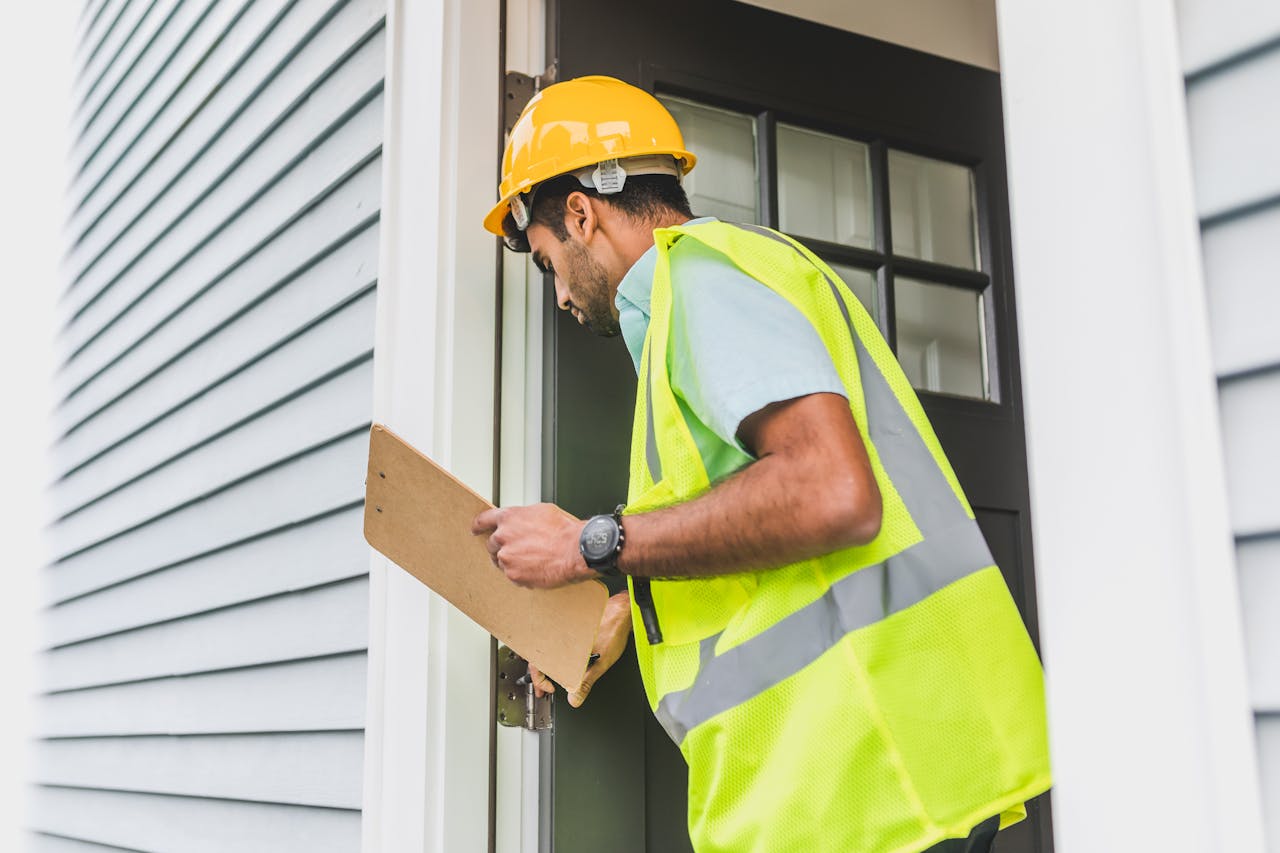


After inspecting many homes across Nepean, Ontario, I have learned that while every property is unique, certain issues appear again and again. Nepean is a well-established area with a wide range of home ages, renovation histories, and construction styles. That variety creates patterns. Recognizing those patterns allows me to focus on the areas that most often affect buyers after they move in.
A home inspection is not about finding fault. It is about understanding how a home has aged, how it has been maintained, and what risks may exist moving forward. Below are the most common home inspection problems I see in Nepean homes and why each one matters to buyers.
Foundation Cracks and Signs of Settlement
One of the most frequent issues I encounter during home inspections in Nepean involves foundation cracking and settlement indicators. This does not mean every crack is a major concern, but it does mean cracks deserve careful evaluation.
Many Nepean homes were built decades ago and have experienced years of seasonal movement. I inspect foundation walls for horizontal, vertical, and stair-step cracking, as well as signs of past repairs. Inside the home, I look for sloping floors, uneven surfaces, and doors or windows that no longer align properly.
These indicators help me determine whether the movement appears stable or ongoing. Buyers often overlook subtle signs of settlement, but understanding them early can prevent unexpected repair costs later.
Basement Moisture and Water Intrusion
Basement moisture is one of the most common and costly issues I see in Nepean homes. Even homes that appear dry at first glance may show signs of past or recurring moisture problems.
I regularly find staining, efflorescence, musty odors, or patched cracks that indicate water has entered the basement at some point. Finished basements require extra scrutiny because drywall, flooring, and insulation can hide moisture issues until damage becomes severe.
Water management is influenced by grading, foundation design, drainage systems, and maintenance. Identifying moisture patterns during the inspection helps buyers understand the true condition of the lower level.
Poor Exterior Grading and Drainage
Many of the basement issues I see in Nepean are directly connected to exterior grading and drainage problems. Over time, soil settles and landscaping changes, often directing water toward the foundation instead of away from it.
During inspections, I evaluate how water flows around the home. I check grading slopes, downspout discharge locations, and areas where water may pool. In some cases, I find downspouts that empty directly beside the foundation or grading that has flattened out over time.
These issues may seem minor, but they significantly increase the risk of basement leaks and foundation stress if left unaddressed.
Aging Roofing Materials and Improper Repairs
Roofing issues are another common finding during Nepean home inspections. Some homes still have older roofing materials nearing the end of their service life, while others show signs of improper or incomplete repairs.
I inspect roofing surfaces for missing or damaged shingles, deteriorated flashing, and uneven wear patterns. I also look for evidence of previous leaks, both on the roof and inside the attic.
In some cases, repairs may have addressed symptoms rather than root causes. Understanding the roof’s condition helps buyers plan for maintenance or replacement before problems escalate.
Inadequate Attic Ventilation and Insulation
Attic issues appear frequently in Nepean homes, especially those built during transitional building code periods. Poor ventilation and inconsistent insulation levels can lead to moisture buildup, heat loss, and premature roof aging.
I inspect attic spaces for insulation depth, coverage, and signs of compression. I also evaluate ventilation pathways to ensure proper airflow. Condensation, staining, or mold growth often points to ventilation problems that have gone unnoticed.
These issues affect comfort, energy efficiency, and long-term durability, making them important considerations for buyers.
Outdated or Overloaded Electrical Systems
Electrical system concerns are common in older Nepean homes, particularly those that have undergone renovations or additions over the years.
I inspect electrical panels, wiring types, grounding, and overall system capacity. I often find panels that have been expanded beyond their original design or circuits that are overloaded to accommodate modern electrical demands.
Improper modifications, aging components, or lack of grounding can pose safety risks. Buyers are often surprised to learn that a system can function while still being inadequate for modern usage.
Plumbing Wear and Hidden Leaks
Plumbing issues are another frequent finding during home inspections in Nepean. Over time, pipes, fixtures, and connections wear down, even in well-maintained homes.
I inspect visible supply lines, drain pipes, water heaters, and fixtures for leaks, corrosion, and performance issues. I also check water pressure consistency and drainage speed.
Small leaks or early signs of corrosion are easy to overlook but can lead to significant damage if ignored. Identifying these issues early allows buyers to plan repairs before problems worsen.
Aging Heating and Cooling Systems
Many Nepean homes still rely on older heating and cooling systems. While some systems are well maintained, others are nearing the end of their expected lifespan.
I assess the age, visible condition, and installation quality of furnaces, air conditioners, and ventilation equipment. I also observe airflow distribution and overall system performance.
Buyers often assume systems will last longer than they realistically can. Understanding remaining lifespan and maintenance needs helps buyers budget responsibly after purchase.
Window and Door Performance Issues
Windows and doors are often overlooked during inspections, yet they play a major role in comfort and energy efficiency.
I frequently find windows with failing seals, condensation between panes, or poor operation. Doors may show alignment issues, drafts, or damaged weather stripping.
These problems can contribute to heat loss, moisture intrusion, and higher energy costs. Addressing them improves both comfort and efficiency over time.
Inconsistent Renovation Quality
Nepean homes often reflect multiple generations of renovations. Some updates are well executed, while others show signs of poor workmanship or incomplete planning.
I inspect renovation areas carefully, looking for electrical or plumbing modifications, structural changes, and material transitions. Inconsistent workmanship can create hidden risks, especially when changes were made without proper integration into existing systems.
Understanding renovation quality helps buyers assess whether updates added value or introduced new concerns.
Garage Fire Separation and Safety Issues
Garage safety issues are surprisingly common in Nepean homes. Improper fire separation between the garage and living space can pose serious safety risks.
I inspect garage walls, ceilings, and doors for proper fire-rated materials and sealing. I also evaluate ventilation and electrical components within the garage.
These issues are often overlooked but are critical for occupant safety.
Deck and Exterior Structure Deterioration
Decks, porches, and exterior structures frequently show signs of aging or improper construction. I inspect attachment points, structural supports, railings, and surface conditions.
In some cases, I find decks that are not properly secured to the home or show signs of rot and deterioration. These conditions can pose safety risks and may require repairs or replacement.
Insulation Gaps and Air Leakage
Energy efficiency issues often stem from insulation gaps and air leakage points. I inspect visible insulation areas and look for drafts, cold spots, and uneven temperatures.
These issues affect comfort and operating costs, especially during Ottawa’s extreme seasons. Buyers often underestimate how much small gaps can impact long-term energy use.
Interior Signs of Long-Term Wear
Inside Nepean homes, I often see signs of long-term wear that provide insight into how the home has aged. Cracks in drywall, worn flooring, or sagging ceilings can indicate structural movement or moisture exposure.
Not all wear is problematic, but understanding the cause behind it helps buyers distinguish between cosmetic aging and functional concerns.
Why These Issues Are Often Overlooked
Many of these common problems are overlooked because they are not immediately visible or dramatic. Fresh paint, new flooring, and staged interiors can distract buyers from underlying issues.
A professional home inspection brings focus back to how the home actually functions. It highlights patterns that may not be obvious during a casual walkthrough.
How I Help Buyers Navigate These Findings
When I identify these common issues, my focus is on explanation and context. I differentiate between normal aging, maintenance needs, and concerns that require further evaluation.
I help buyers understand which items are typical for Nepean homes and which ones may affect long-term ownership costs. This clarity allows buyers to negotiate effectively and plan responsibly.
Final Thoughts
The most common home inspection problems I see in Nepean homes are not usually deal breakers. They are indicators of how a home has aged and how it has been maintained.
By identifying foundation movement, moisture issues, aging systems, and renovation inconsistencies early, buyers gain a clearer picture of what ownership will involve. A thorough home inspection transforms uncertainty into understanding.
When buyers know what to expect, they move forward with confidence. That is the true value of a detailed home inspection in Nepean, Ontario.