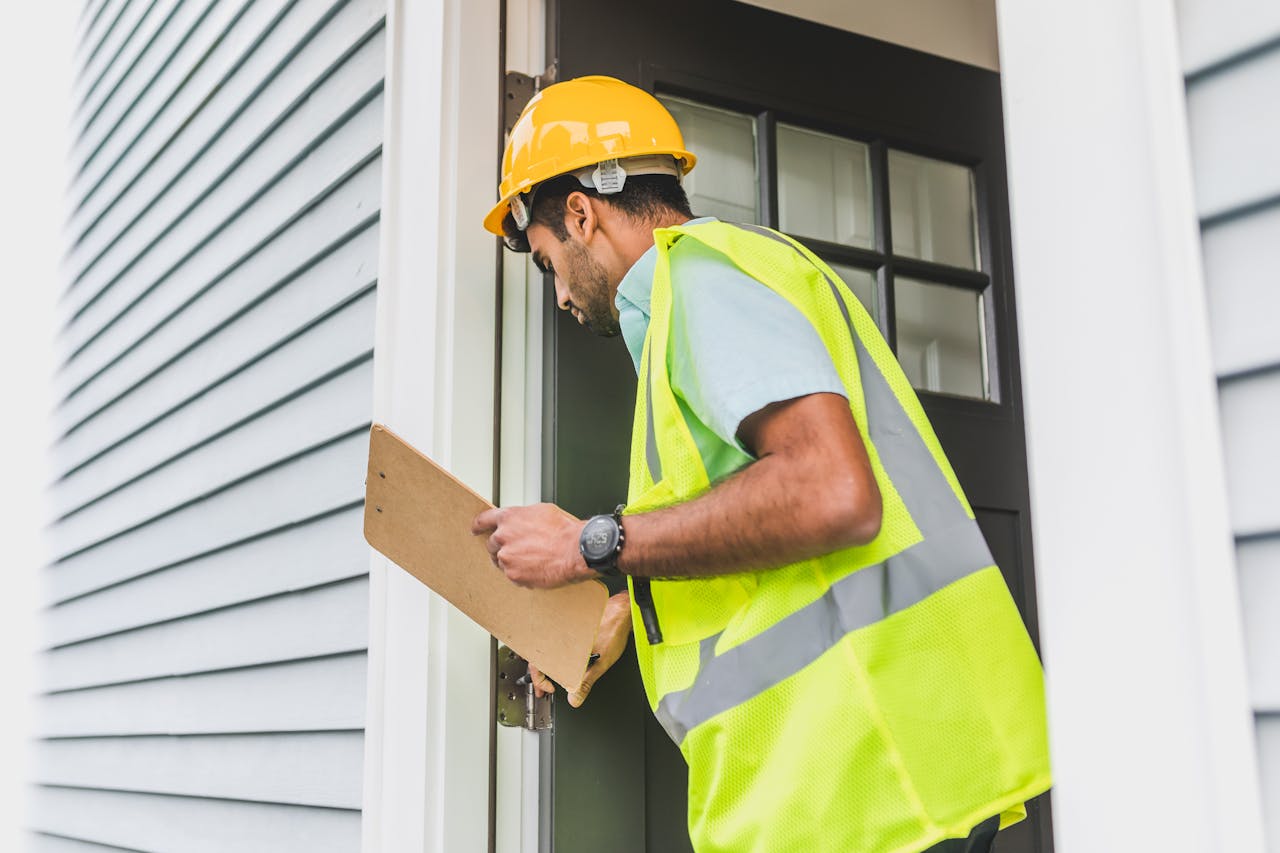


When I conduct a home inspection in Nepean, Ontario, I approach every property with a clear and methodical process. Nepean is one of Ottawa’s most diverse residential areas, with homes ranging from older, well established neighbourhoods to newer developments and everything in between. That diversity means no two inspections are ever the same. However, there are specific components I examine during every inspection to ensure buyers understand exactly what they are purchasing.
A home inspection is not about finding perfection. It is about uncovering how the home truly functions, where potential risks exist, and what maintenance or repairs may be needed now or in the future. Below is a detailed look at what I pay close attention to during every home inspection in Nepean and why each area matters.
Understanding the Home and Neighbourhood Context
Before beginning the physical inspection, I take time to understand the context of the home. Nepean includes properties built across several decades, each influenced by different building standards, materials, and construction practices.
Older homes may feature systems that have been updated over time, while newer homes may still reveal workmanship issues or incomplete details. I also consider the surrounding neighbourhood, drainage patterns, and lot layout, as these factors influence how the home ages and performs.
This context shapes where I focus extra attention during the inspection.
Foundation and Structural Integrity
The foundation is one of the most important components of any home inspection in Nepean. A solid foundation supports everything above it, and even minor issues can become costly if left unaddressed.
I inspect visible foundation walls for cracking, movement, moisture staining, or signs of past repairs. Not all cracks are a concern, but understanding their size, direction, and location helps determine whether they are cosmetic or structural.
Inside the home, I assess floors, walls, and ceilings for signs of settlement such as sloping floors, uneven surfaces, or doors that do not close properly. These indicators help me understand how the structure has responded to soil conditions and seasonal changes over time.
Roof Condition and Attic Performance
The roof protects the home from the elements, and its condition plays a major role in long term ownership costs.
I inspect roofing materials for signs of wear, damage, or aging. Missing shingles, deteriorated flashing, or improper repairs are noted carefully. I also assess roof drainage components such as eavestroughs and downspouts to ensure water is directed away from the home.
Inside the attic, I evaluate insulation levels, ventilation, and any signs of moisture intrusion. Poor attic ventilation is a common issue that can lead to condensation, mold growth, and premature roof failure. Attic conditions often reveal problems that are not visible from the exterior.
Exterior Walls, Siding, and Water Management
Water management is critical for homes in Nepean. I inspect exterior walls, siding, brickwork, and sealants for damage, gaps, or deterioration that could allow water intrusion.
I also evaluate grading around the home to ensure water flows away from the foundation. Improper grading is a common contributor to basement moisture issues. Downspouts and drainage extensions are checked to confirm they are functioning properly and discharging water safely away from the structure.
These exterior details play a major role in preventing long term moisture damage.
Basement and Lower-Level Inspection
Basements often tell a clear story about how a home handles water and environmental conditions. During every Nepean home inspection, I pay close attention to basement areas.
I look for signs of moisture intrusion such as staining, efflorescence, musty odors, or previous waterproofing efforts. Even subtle indicators can reveal recurring issues.
Finished basements receive extra scrutiny because finishes can hide moisture problems until damage becomes severe. I inspect walls, floors, and ceilings carefully while assessing ventilation and drainage systems when present.
Electrical System Safety and Capacity
Electrical safety is a top priority during every home inspection. I inspect the main electrical panel, breakers, wiring types, grounding, and bonding.
In older Nepean homes, electrical systems may reflect older standards that no longer meet modern expectations. In newer homes, I often find overloaded circuits or improper installations related to renovations or additions.
Inside the home, I test outlets, switches, and fixtures to ensure proper operation. I also look for signs of overheating, improper modifications, or DIY electrical work that could pose safety risks.
Plumbing Systems and Water Flow
Plumbing systems are evaluated carefully to identify leaks, corrosion, and performance issues. I inspect visible supply lines, drain pipes, water heaters, and fixtures.
I check water pressure consistency, drainage speed, and signs of past leaks or repairs. Water heaters are evaluated for age, condition, and installation quality.
Plumbing issues can be disruptive and expensive, which is why identifying potential concerns early is so important for buyers.
Heating, Cooling, and Ventilation Systems
Ottawa’s climate places heavy demands on heating and cooling systems, making HVAC inspection essential.
I assess the age, visible condition, and installation quality of furnaces, air conditioners, heat pumps, and ventilation equipment. I also evaluate airflow distribution and whether the system appears appropriately sized for the home.
Ventilation in bathrooms, kitchens, and laundry areas is inspected to ensure moisture is properly exhausted from the home. Poor ventilation can lead to indoor air quality issues and moisture damage over time.
Windows, Doors, and Energy Efficiency
Windows and doors play a major role in comfort, energy efficiency, and moisture control. I inspect them for proper operation, sealing, and signs of condensation or water intrusion.
Drafts, fogging between panes, or damaged frames can indicate failing components. I also assess insulation where visible to evaluate overall thermal performance.
Understanding these factors helps buyers anticipate heating and cooling costs and plan efficiency upgrades if needed.
Interior Spaces and Living Areas
Inside the home, I inspect walls, ceilings, floors, stairways, and railings. I look for signs of movement, moisture damage, or poor workmanship.
Kitchens and bathrooms receive extra attention due to their plumbing and electrical complexity. I inspect cabinets, countertops, fixtures, and appliances for condition and functionality.
While cosmetic issues are noted, my primary focus remains on safety, performance, and long term durability.
Garage and Attached Structures
Garages often reveal important safety and structural details. I inspect garage framing, doors, fire separation, ventilation, and electrical components.
Improper fire separation between the garage and living space is a common concern that can impact occupant safety. I also inspect garage floors for cracking or drainage issues.
If the property includes decks, porches, or other attached structures, I inspect them for stability, attachment, and signs of deterioration.
Drainage, Grading, and Site Conditions
Proper site drainage is essential for protecting the home over time. I evaluate grading around the property, looking for areas where water may pool or flow toward the foundation.
I also inspect walkways, driveways, and retaining features when present. Cracking or settlement in these areas can indicate broader drainage or soil movement concerns.
Identifying Common Nepean-Specific Patterns
Through experience, I have learned that certain issues appear more frequently in Nepean homes depending on age and location. These may include aging building materials, insulation inconsistencies, or system upgrades performed at different times.
Recognizing these patterns allows me to focus attention where it matters most and provide buyers with meaningful insight rather than generic observations.
Explaining Findings Clearly and Honestly
A home inspection is only as valuable as the buyer’s understanding of the results. After completing the inspection, I explain my findings in clear, practical terms.
I differentiate between maintenance items, recommended repairs, and issues that may require immediate attention. My goal is not to overwhelm buyers but to empower them with accurate information.
The inspection report is written to be detailed, organized, and easy to reference long after the purchase is complete.
Why This Approach Matters
Every home inspection in Nepean is an opportunity to protect a buyer’s investment. By consistently focusing on the systems and components that matter most, I help buyers avoid surprises and plan responsibly.
A thorough inspection provides clarity, confidence, and peace of mind. It allows buyers to move forward knowing exactly what they are stepping into.
Final Thoughts
What I look for during every home inspection in Nepean, Ontario goes far beyond surface level observations. From the foundation to the roof and everything in between, my focus is on understanding how the home functions as a complete system.
Each inspection is performed with care, attention to detail, and a commitment to clear communication. A home inspection is not just a formality in the buying process. It is one of the most valuable tools a buyer can use to make an informed decision.
When done properly, a home inspection in Nepean helps buyers move forward with confidence, clarity, and a strong foundation for long term homeownership.