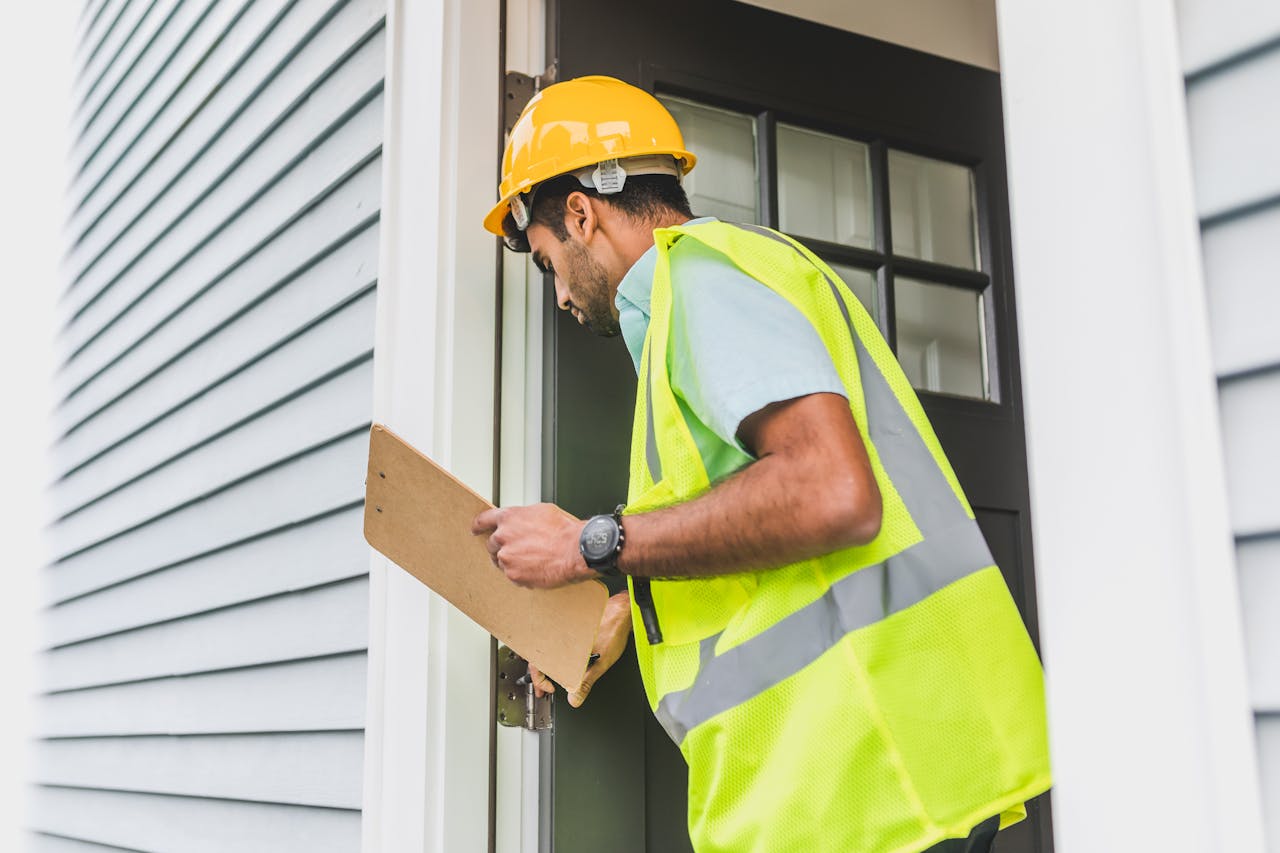


When I inspect a home in Orléans, Ontario, I do not approach it the same way I would a property in another part of Ottawa. Over the years, I have learned that Orléans homes have their own patterns, risks, and construction characteristics that require a more tailored inspection process. Treating every home the same is one of the biggest mistakes a buyer can make. Local experience matters, and in Orléans, it makes a significant difference.
From rapidly developed subdivisions to older neighbourhoods with aging infrastructure, homes in Orléans demand a more thoughtful and detail driven approach to home inspection. Understanding how and why these homes are built the way they are allows me to spot issues that might otherwise go unnoticed.
Orléans Has a Unique Mix of Home Ages and Construction Styles
One of the main reasons homes in Orléans need a different inspection approach is the wide range of construction eras found throughout the area. Some neighbourhoods feature homes built decades ago, while others consist almost entirely of newer developments constructed in phases.
Older homes often come with outdated building methods, materials that are no longer commonly used, and systems that may be nearing the end of their lifespan. Newer homes, while visually appealing, can still hide issues related to rushed construction, incomplete finishing, or shortcuts taken during high volume building periods.
Because of this mix, I adjust my inspection strategy based on the age of the home. What I look for in a newer Orléans home is very different from what I prioritize in an older one, even if they are only a few streets apart.
Soil Conditions and Ground Movement Matter More Than Most Buyers Realize
Orléans sits on soil conditions that can have a major impact on foundations over time. In certain areas, clay rich soil expands and contracts with moisture changes, putting pressure on foundation walls and slabs. This movement is not always obvious to the untrained eye.
During a home inspection in Orléans, I pay close attention to foundation cracks, floor leveling, and signs of long term settlement. Small details like door alignment, uneven flooring, or recurring drywall cracks can tell me a lot about how the home has responded to soil movement over the years.
This is not about alarmism. It is about understanding how the ground beneath the home behaves and how the structure has adapted to it. Ignoring this factor can lead to costly surprises later.
Rapid Development Brings Its Own Set of Risks
Orléans has experienced significant growth over the years. Large scale development often means homes are built quickly to meet demand. While many builders follow proper standards, speed can sometimes lead to missed details.
In newer Orléans homes, I often focus on workmanship related issues that may not be obvious during a casual walkthrough. These can include improper flashing, incomplete insulation, poorly sealed penetrations, or ventilation systems that are not balanced correctly.
These issues do not always cause immediate problems, which is why they are often overlooked. However, over time, they can affect energy efficiency, moisture control, and overall durability. A different inspection approach means looking beyond what is new and clean and focusing on how the home will perform long term.
Roof and Attic Conditions Vary Widely Across Orléans
Roof systems in Orléans homes can differ significantly depending on age, builder, and design trends at the time of construction. Some homes may have original roofing materials nearing the end of their service life, while others may have newer roofs that were installed without proper ventilation considerations.
During inspections in Orléans, I place strong emphasis on attic conditions. Poor attic ventilation is a common issue and can lead to moisture buildup, mold growth, and premature roof failure. Insulation levels also vary widely, especially in homes built during transitional building code periods.
A standard inspection approach might miss these patterns. A localized approach allows me to identify issues that are more likely to appear in Orléans homes specifically.
Basements Tell a Different Story in Orléans Homes
Basements in Orléans homes often reflect the area’s soil and drainage characteristics. Some homes are more prone to moisture intrusion due to grading, foundation type, or drainage design.
I carefully evaluate basements for subtle signs of water entry, even if there is no visible flooding. Efflorescence, staining, musty odors, or previous repair attempts all provide clues. Finished basements receive extra attention because finished materials can hide moisture issues until damage becomes severe.
This level of scrutiny is essential because basement problems are among the most expensive issues a homeowner can face. A different inspection approach means understanding what to look for based on the area, not just the structure itself.
Electrical Systems Reflect the Era of Construction
Electrical systems in Orléans homes vary significantly depending on when the home was built. Older homes may have electrical components that no longer meet modern expectations, while newer homes may show signs of overloaded circuits or improper additions.
I inspect electrical panels, wiring types, grounding, and outlet placement with a focus on safety and long term usability. In some cases, systems may technically function but still pose limitations for modern living.
Understanding local construction trends allows me to better assess whether an electrical system is appropriate for today’s needs or likely to require upgrades in the near future.
Plumbing Materials and Layouts Require Extra Attention
Plumbing systems in Orléans homes can include a range of materials used across different decades. Some older materials are more prone to corrosion or failure, while newer installations may still suffer from poor layout or installation issues.
During inspections, I evaluate visible supply and drain lines, water heaters, and fixture performance. I look for pressure inconsistencies, slow drainage, and signs of previous leaks.
A different approach means recognizing which plumbing concerns are more common in Orléans and explaining them clearly so buyers can plan ahead instead of reacting later.
Heating and Cooling Systems Are Critical in This Climate
Ottawa’s climate places heavy demands on heating and cooling systems, and Orléans is no exception. Homes here rely heavily on reliable systems to remain comfortable year round.
I assess the age, condition, and visible installation quality of HVAC systems while also paying attention to ventilation and airflow distribution. Poor airflow, improper duct sealing, or undersized systems can affect comfort and efficiency long after the purchase.
A generic inspection might simply note the presence of a system. A localized approach evaluates how well that system suits the home and climate.
Energy Efficiency Varies More Than Buyers Expect
Many buyers assume newer homes are automatically energy efficient. In reality, efficiency varies widely based on insulation quality, window installation, air sealing, and ventilation design.
In Orléans homes, I inspect windows, doors, insulation, and visible air leakage points. Drafts, condensation, or uneven temperatures often point to deeper efficiency issues.
Understanding these details helps buyers anticipate utility costs and prioritize improvements over time.
Exterior Grading and Drainage Are Often Overlooked
Exterior conditions play a major role in a home’s long term performance. In Orléans, where water management is critical, I carefully inspect grading, downspout placement, and drainage flow.
Improper drainage does not always cause immediate damage, but it increases the risk of foundation issues and basement moisture over time. Identifying these concerns early allows buyers to address them proactively.
Clear Communication Is Part of the Inspection Process
A different approach to home inspection is not just about what I inspect, but how I explain it. Homes in Orléans often require context to fully understand the significance of certain findings.
I take the time to explain which issues are common for the area, which are maintenance related, and which may require further evaluation. This clarity helps buyers make informed decisions without unnecessary stress.
The inspection report is written to be practical and easy to reference, not overwhelming or confusing.
Why This Approach Protects Buyers
A home inspection is meant to reduce uncertainty. In Orléans, that means going beyond a generic checklist and applying local knowledge to every inspection.
By tailoring my approach to the area, I help buyers understand not just what is wrong or right with a home, but why those conditions exist and what they mean for long term ownership.
This level of insight allows buyers to negotiate confidently, plan responsibly, and move forward with peace of mind.
Final Thoughts
Homes in Orléans, Ontario, require a different approach to home inspection because the area itself is different. Soil conditions, construction timelines, development patterns, and climate all influence how homes age and perform.
By inspecting with a localized, detail focused mindset, I uncover issues that matter most to buyers in this community. A home inspection should never feel rushed or generic. It should feel thoughtful, thorough, and tailored to the home in front of you.
When done properly, a home inspection in Orléans is not just a requirement in the buying process. It is one of the most valuable tools a buyer can use to protect their investment and plan for the future.