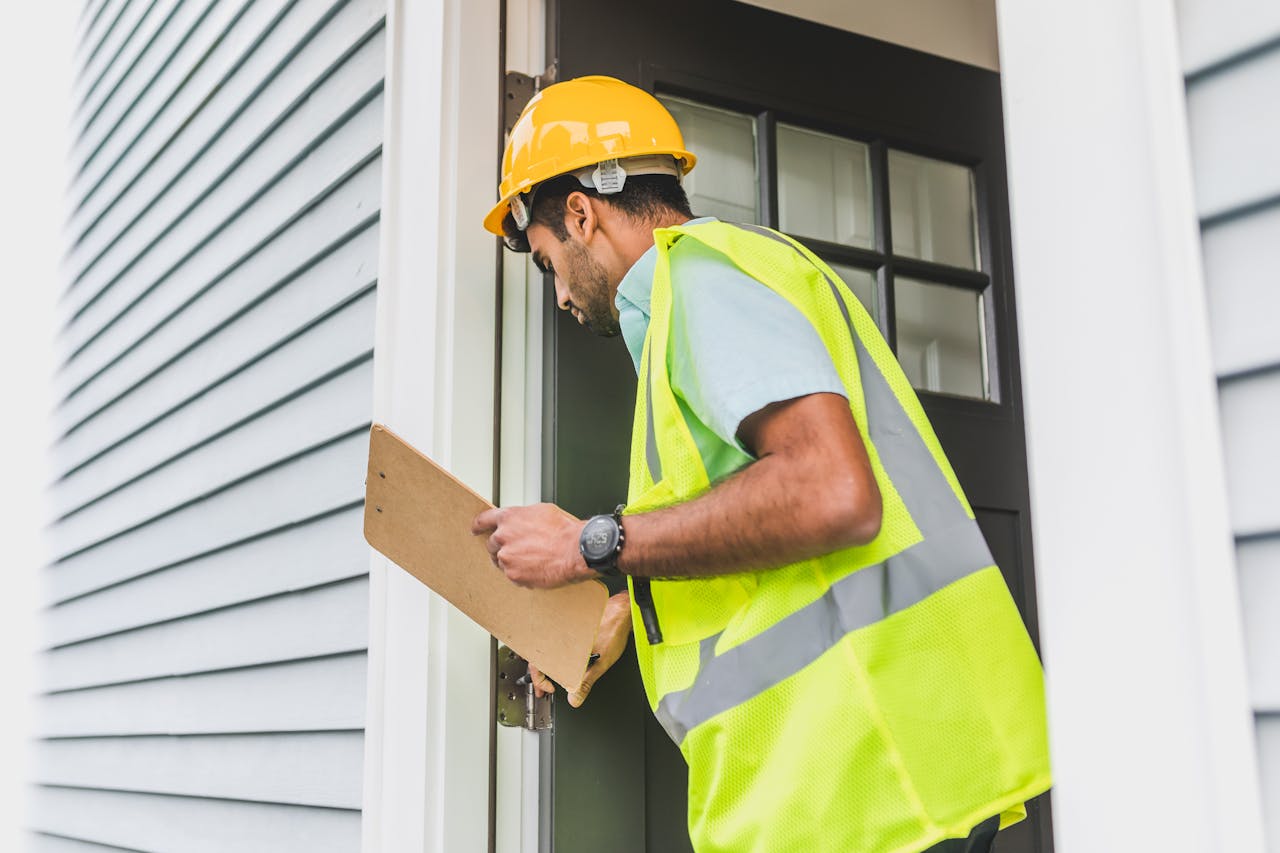

When I inspect older homes in Nepean, Ontario, I approach them with a very different mindset than newer properties. Older homes often come with character, mature neighbourhoods, and solid craftsmanship, but they also carry decades of wear, modifications, and aging systems that are not always obvious at first glance. This is exactly why older Nepean homes need a more thorough home inspection.
A quick walkthrough or basic inspection is rarely enough for an older property. Time changes how homes perform, and in Nepean, many older houses have lived through multiple building standards, renovation trends, and maintenance practices. My role during a thorough inspection is to uncover what time has altered, what has been upgraded, and what may still need attention.
Older Nepean Homes Have Lived Through Multiple Eras of Construction
One of the main reasons older Nepean homes require a deeper inspection is that they were built under very different construction standards than today’s homes. Building codes, materials, and best practices have evolved significantly over the years.
Many older homes were constructed before modern moisture control, insulation requirements, and electrical safety standards were established. While some of these homes have been updated, others still rely on original systems or partial upgrades completed at different times.
A thorough home inspection looks at how these layers interact rather than assuming newer updates have resolved older design limitations.
Foundation Behavior Changes Over Decades
Foundations in older Nepean homes have had many years to respond to soil conditions, seasonal movement, and environmental stress. Over time, even well built foundations can show signs of settlement or cracking.
During a thorough inspection, I evaluate foundation walls for different types of cracking, movement, and moisture staining. I also assess interior indicators such as uneven floors, wall cracking, and door or window alignment.
What matters most is not just the presence of cracks, but their pattern and history. Older homes often show signs of movement that may be stable, but identifying whether that movement is ongoing requires careful evaluation.
Basement Conditions Reveal Long-Term Moisture Patterns
Basements in older Nepean homes often tell the clearest story about how the property has handled water over time. Many of these basements were not originally designed to be finished living spaces.
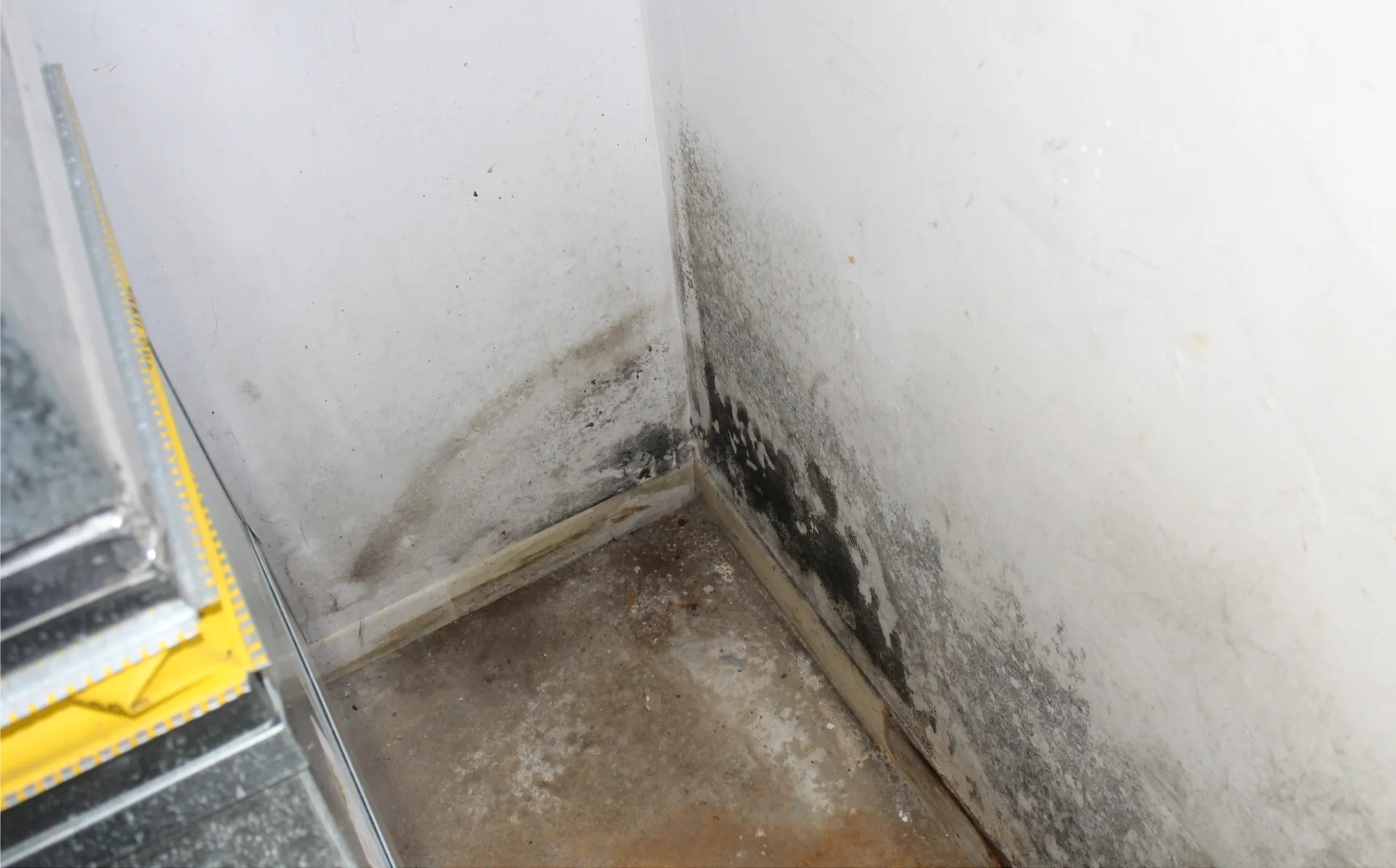
A thorough home inspection looks for subtle signs of moisture intrusion such as efflorescence, staining, musty odors, and repaired cracks. Even if the basement is currently dry, these indicators can reveal past issues that may return under certain conditions.
Finished basements require extra scrutiny. Flooring, drywall, and insulation can hide moisture problems until damage becomes severe. Older homes benefit from an inspection that looks beyond surface finishes.
Electrical Systems Often Reflect Multiple Generations of Updates
Electrical systems in older Nepean homes rarely remain original in their entirety. Over time, homeowners add circuits, upgrade panels, and modify wiring to support modern living.
A thorough inspection evaluates the entire system, not just whether power is present. I inspect panels, wiring types, grounding, and bonding while looking for signs of outdated materials, overloaded circuits, or improper modifications.
Electrical safety is especially important in older homes because mixed systems can create hidden risks. A basic inspection may overlook these details, while a thorough inspection identifies them clearly.
Plumbing Systems Age Quietly but Persistently
Plumbing issues in older homes often develop slowly. Pipes corrode, joints weaken, and small leaks can exist for years before becoming visible.
During a thorough inspection, I evaluate visible supply and drain lines, water heaters, and fixtures. I look for corrosion, staining, pressure inconsistencies, and signs of past repairs.
Older plumbing materials may behave differently than modern ones. Understanding what materials are present and how they are performing helps buyers anticipate maintenance and replacement needs.
Roofing and Attic Systems Reveal Aging Performance
Roofing systems on older Nepean homes may have been replaced or repaired multiple times. A thorough inspection looks beyond the surface to evaluate installation quality, wear patterns, and potential moisture pathways.
Inside the attic, I inspect insulation depth, coverage, and ventilation. Many older homes have attic conditions that do not meet modern expectations, leading to heat loss, condensation, or moisture buildup.
Attic issues often affect the entire home. Without a detailed inspection, these problems can remain hidden until they cause significant damage.
Insulation and Energy Efficiency Are Often Inconsistent
Energy efficiency in older Nepean homes varies widely. Some homes have been extensively upgraded, while others still rely on minimal insulation and outdated air sealing.
A thorough inspection evaluates insulation where visible and looks for signs of air leakage such as drafts, condensation, and uneven temperatures. Windows and doors are inspected for sealing, operation, and moisture intrusion.
Understanding energy efficiency is critical for buyers trying to estimate ongoing costs. Older homes often require strategic upgrades to improve comfort and reduce utility expenses.
Heating and Cooling Systems May Be Nearing Replacement
Older homes often rely on heating and cooling systems that are approaching the end of their expected lifespan. While some systems are well maintained, age plays a major role in reliability.
A thorough home inspection assesses the age, condition, and installation quality of furnaces, air conditioners, and ventilation equipment. I also observe airflow distribution and overall system performance.
Knowing whether a system is likely to need replacement soon helps buyers budget responsibly and avoid surprises shortly after moving in.
Renovations Can Add Complexity Rather Than Clarity
Many older Nepean homes have undergone renovations over the years. While updates can improve appearance and function, they can also introduce complications if not completed properly.
A thorough inspection examines renovated areas carefully. I look for electrical or plumbing modifications, structural changes, and material transitions that may affect performance.
In older homes, renovations often connect new materials to old systems. Understanding how those connections were made is essential for long-term reliability.
Exterior Grading and Drainage Often Shift Over Time
Exterior conditions around older homes change gradually. Soil settles, landscaping evolves, and drainage patterns shift.
A thorough inspection evaluates grading slopes, downspout discharge locations, and areas where water may pool near the foundation. Poor drainage is a common contributor to basement moisture and foundation stress in older Nepean homes.
These issues are often overlooked during showings but play a major role in long-term performance.
Windows and Doors Reflect Decades of Use
Windows and doors in older homes often show signs of wear, seal failure, or outdated design. These components affect comfort, moisture control, and energy efficiency.
A thorough inspection evaluates operation, sealing, and signs of condensation or water intrusion. Understanding whether windows and doors are serviceable or nearing replacement helps buyers plan upgrades realistically.
Interior Wear Patterns Tell a Story
Interior wear in older homes is expected, but it can also provide insight into deeper issues. Cracks, uneven flooring, or patched areas often reflect movement, moisture exposure, or structural changes over time.
A thorough inspection distinguishes between cosmetic aging and functional concerns. This distinction helps buyers focus on what truly matters.
Older Homes Require Context, Not Just Checklists
One of the biggest reasons older Nepean homes need a more thorough home inspection is context. A checklist approach does not capture how decades of use have shaped a home.
A thorough inspection evaluates how systems interact, how the home has responded to environmental conditions, and how past maintenance decisions affect future performance.
This level of insight cannot be achieved through a rushed or surface-level inspection.
Thorough Inspections Help Buyers Plan, Not Panic
Buyers often worry that a detailed inspection will uncover too many issues. In reality, older homes almost always have findings. What matters is understanding their significance.
A thorough inspection helps buyers prioritize repairs, plan maintenance, and budget realistically. It turns uncertainty into a manageable plan rather than a source of stress.
The Cost of Missing Issues Is Higher in Older Homes
Older homes tend to have more interconnected systems. Missing one issue can create a chain reaction of problems.
For example, poor drainage can affect the foundation, which can impact interior finishes and air quality. A thorough inspection reduces the risk of overlooking these connections.
The cost of a detailed inspection is small compared to the potential cost of missed issues in an older home.
Why I Always Recommend a Thorough Inspection for Older Nepean Homes
I recommend a more thorough home inspection for older Nepean homes because these properties demand it. Time adds complexity, not simplicity.
A detailed inspection provides clarity about what has aged well, what has been updated, and what may require attention in the future. It allows buyers to move forward with confidence rather than assumptions.
Final Thoughts
Older homes in Nepean offer charm, character, and established communities, but they also require careful evaluation. A more thorough home inspection is not about finding reasons to walk away. It is about understanding the home’s true condition before making a major investment.
By taking a detailed, methodical approach, a thorough inspection protects buyers from surprises and helps them plan responsibly. For older Nepean homes, that level of insight is not optional. It is essential.