

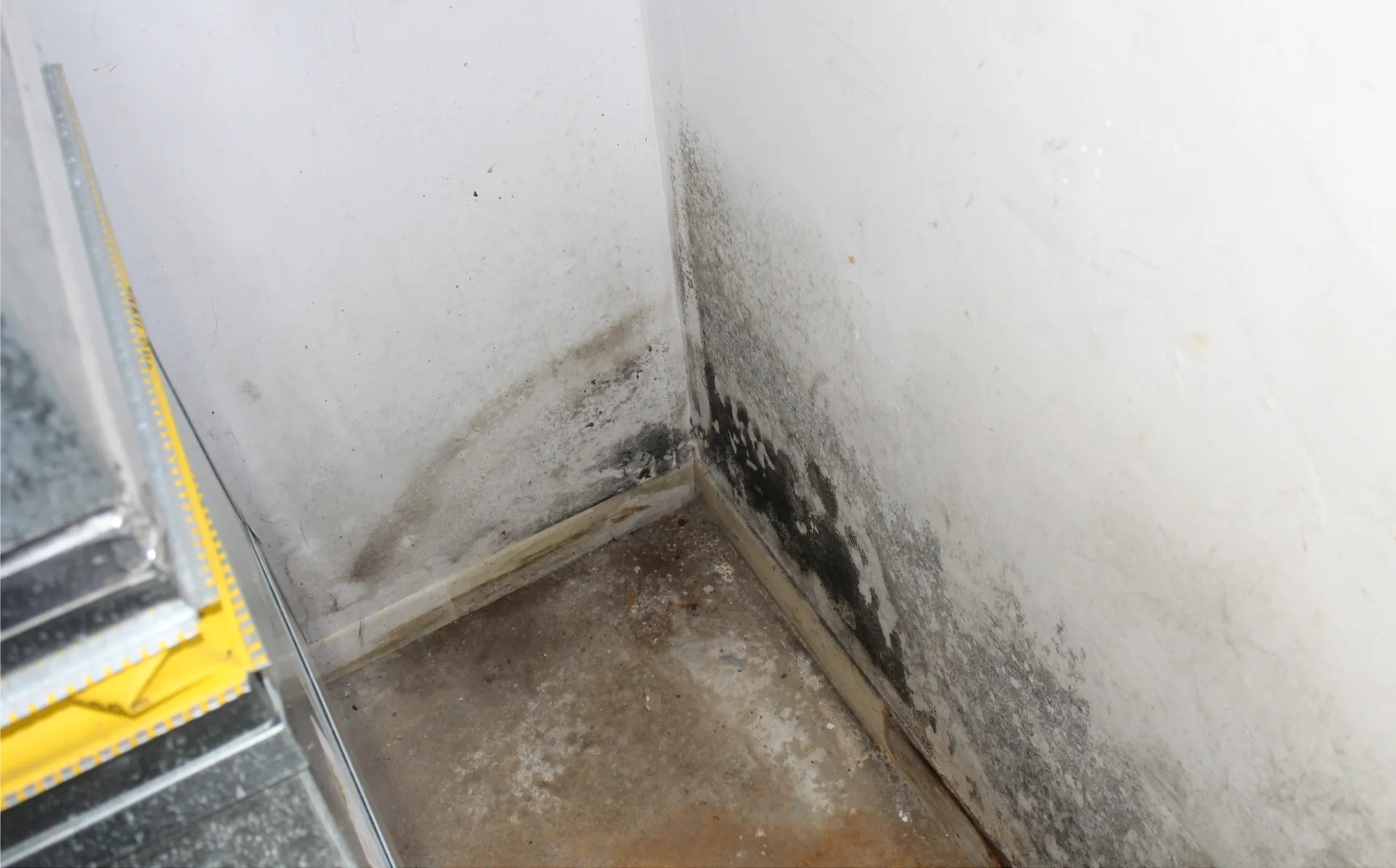
After a heavy rainfall in Ottawa or Nepean, I often receive the same kinds of calls:
“My basement smells damp all of a sudden.”
“We noticed a wet corner after that storm.”
“The sump pump hasn’t stopped running.”
“There’s moisture along the floor edge, but only after big rain.”
What surprises many homeowners is that their basement can appear perfectly dry for months — and then behave completely differently after one major downpour.
Over the years, inspecting homes across Ottawa and Nepean has taught me something important:
Basements don’t respond to rain equally.
Two homes can experience the same storm, and one basement stays dry while the other shows moisture within hours. The difference isn’t always obvious, and it’s rarely just about age.
Basement behaviour after rainfall is shaped by a combination of soil, drainage, foundation design, grading, construction history, and even small exterior details most homeowners never think about.
In this guide, I want to explain why basements in Ottawa and Nepean react so differently after heavy rain, what patterns I see repeatedly, and what these behaviours often reveal about the home beneath the surface.
Basements Are Not Separate Spaces — They’re Part of the Ground System
One of the biggest misconceptions homeowners have is thinking of the basement as just another room.
A basement is different. It is the part of the home that sits closest to the most powerful force acting on any structure:
water in the soil.
After heavy rain, the ground around a home becomes saturated. Water doesn’t just sit on the surface — it moves downward, outward, and sideways, pressing against foundation walls.
A basement isn’t just managing indoor comfort. It’s managing earth pressure and moisture pressure at the same time.
That’s why rainfall changes everything.
Ottawa and Nepean Soil Conditions Create Different Basement Outcomes
Soil is one of the most important reasons basements behave differently across Ottawa and Nepean.
Clay-Rich Soil Holds Water Longer
Many parts of Ottawa and Nepean sit on clay-heavy soil. Clay does not drain quickly. Instead, it absorbs water, swells, and holds moisture against the foundation.
After heavy rain, this leads to:
- Water staying pressed against basement walls for days
- Increased hydrostatic pressure
- Slow seepage through tiny foundation pores
- Basement humidity rising even without visible leaks
Homes on clay soil often experience delayed moisture symptoms — dampness appears after the storm, not during it.
Better-Draining Soil Reacts Faster but Clears Faster
Other areas have sandier or mixed soils. These drain more quickly, which means:
- Water moves downward instead of pooling
- Hydrostatic pressure may spike quickly but drop sooner
- Basements may show short-term seepage but recover faster
Soil type alone can make two basements behave completely differently during the same rainfall event.
Hydrostatic Pressure: The Hidden Force After Storms
Hydrostatic pressure is one of the most misunderstood basement concepts.
After heavy rainfall, water accumulates in the soil. That water pushes outward with force. Foundations are essentially retaining walls holding back wet earth.
When pressure builds, water looks for pathways:
- Through hairline cracks
- Along the joint where the floor meets the wall
- Through porous concrete
- Around utility penetrations
- Into sump pits
Many homeowners assume that if there’s no crack, water can’t enter. But concrete is not waterproof — it’s simply dense.
Under enough pressure, moisture finds a way.
That’s why basements often behave differently after storms even when they look structurally similar.
Grading Differences Are One of the Biggest Predictors
In Ottawa and Nepean, grading is one of the clearest reasons one basement stays dry and another doesn’t.
Positive Grading Protects the Foundation
When soil slopes away from the home, rainwater drains outward.
This reduces:
- Saturation near foundation walls
- Basement wall pressure
- Risk of seepage
Negative Grading Funnels Water Toward the Basement
If the soil slopes inward — even slightly — heavy rain is directed straight toward the foundation.
I often find this in Nepean neighbourhoods where landscaping has changed over time:
- Garden beds built up against siding
- Soil added near patios
- Walkways that trap runoff
- Mulch holding moisture against walls
The home doesn’t need a visible leak. The grading creates the problem.
Downspouts Often Determine Basement Behaviour
One of the simplest differences between dry and damp basements is downspout discharge.
After heavy rain, roof runoff is enormous. A single storm can dump thousands of litres of water off a roof.
If downspouts:
- Discharge too close to the foundation
- Are disconnected underground
- Drain into clogged extensions
- Empty into low areas near the house
…that water immediately saturates the soil beside basement walls.
In Ottawa and Nepean, I regularly see basements taking on moisture simply because downspouts are sending roof water into the worst possible location.
Basement problems often start at the roofline, not underground.
Foundation Age and Construction Style Matter
Basements behave differently depending on how they were built.
Older Ottawa Foundations
Many older Ottawa homes have:
- Different concrete mixes
- Less exterior waterproofing
- Minimal drainage systems
- Foundation repairs layered over decades
These basements may allow moisture intrusion more easily after storms.
Newer Nepean Basements
Newer homes often have:
- Modern weeping tile systems
- Better damp-proofing
- Sump pump reliance
- Tighter building envelopes
But newer basements can still behave poorly if drainage systems fail or grading is incorrect.
Age influences basement response, but it doesn’t guarantee performance.
Finished Basements Behave Differently Than Unfinished Ones
One of the most important factors after heavy rainfall is whether the basement is finished.
Unfinished Basements Reveal Moisture Quickly
Concrete walls show:
- Damp patches
- Efflorescence
- Water staining
- Visible seepage
Homeowners can see issues early.
Finished Basements Hide Moisture Longer
Finished walls can trap moisture behind:
- Drywall
- Insulation
- Flooring
- Framing
After heavy rain, moisture may accumulate invisibly for weeks before symptoms appear:
- Musty odours
- Warped baseboards
- Flooring lifting
- Mold growth inside cavities
Finished basements often behave “quietly” until the problem becomes larger.
Sump Pump Dependency Changes Everything
In many Ottawa and Nepean homes, the sump pump is the basement’s main defence.
After heavy rain:
- Groundwater rises
- Drainage systems feed the sump pit
- Pumps run continuously
If the pump is:
- Undersized
- Aging
- Missing a backup
- Poorly discharged
…the basement can quickly become vulnerable.
A basement that seems dry may actually be dry only because the sump pump is working constantly in the background.
Heavy rain reveals how dependent the home truly is.
Window Wells Are Often Overlooked Storm Entry Points
Basement window wells are one of the most common storm-related weak points.
After heavy rainfall, wells can fill quickly if:
- Drainage is blocked
- Covers are missing
- Soil slopes toward the well
- Debris prevents water escape
Water then presses against window frames and can enter around seals.
In Nepean, where many basements have larger windows, this is increasingly common.
Storm Water Reveals Foundation Joint Vulnerabilities
Many basement leaks after rain don’t come through cracks — they come through joints.
The most common joint is where the foundation wall meets the floor slab.
This seam is naturally vulnerable. After storms, water pressure forces moisture upward along this edge.
Homeowners often notice:
- Dampness along the perimeter
- Wet carpet edges
- Moisture behind baseboards
This is one of the clearest signs of storm-related pressure, not plumbing failure.
Why Some Basements Smell Damp After Rain Even Without Leaks
Sometimes homeowners report:
“There’s no water, but it smells different.”
That’s often because moisture increases humidity without visible seepage.
After heavy rainfall:
- Soil moisture raises basement humidity
- Concrete absorbs water vapour
- Air becomes heavier
- Organic materials begin to react
A damp smell is often the first warning long before visible damage appears.
What I Evaluate After Heavy Rain Basement Complaints
When inspecting a basement with storm-related behaviour, I look at the full system:
- Exterior grading
- Downspout discharge
- Foundation crack patterns
- Efflorescence and moisture history
- Sump pump operation
- Window well drainage
- Finished wall risk zones
- Attic and roof runoff patterns
- Seasonal humidity behaviour
Basements don’t behave differently randomly. They behave differently because the system around them differs.
Final Thoughts: Heavy Rain Is the Ultimate Basement Test
A heavy rainfall event in Ottawa or Nepean is like a stress test for the entire home.
It reveals:
- Drainage weaknesses
- Grading mistakes
- Foundation vulnerability
- Sump pump reliance
- Hidden moisture pathways
Some basements stay dry because their systems work well. Others react because water is being directed, trapped, or pressured in the wrong ways.
Understanding why basements behave differently after storms is one of the most valuable insights homeowners can gain — because it allows small corrections before major damage occurs.
A basement doesn’t suddenly fail.
It responds to conditions.
And heavy rain shows the truth.