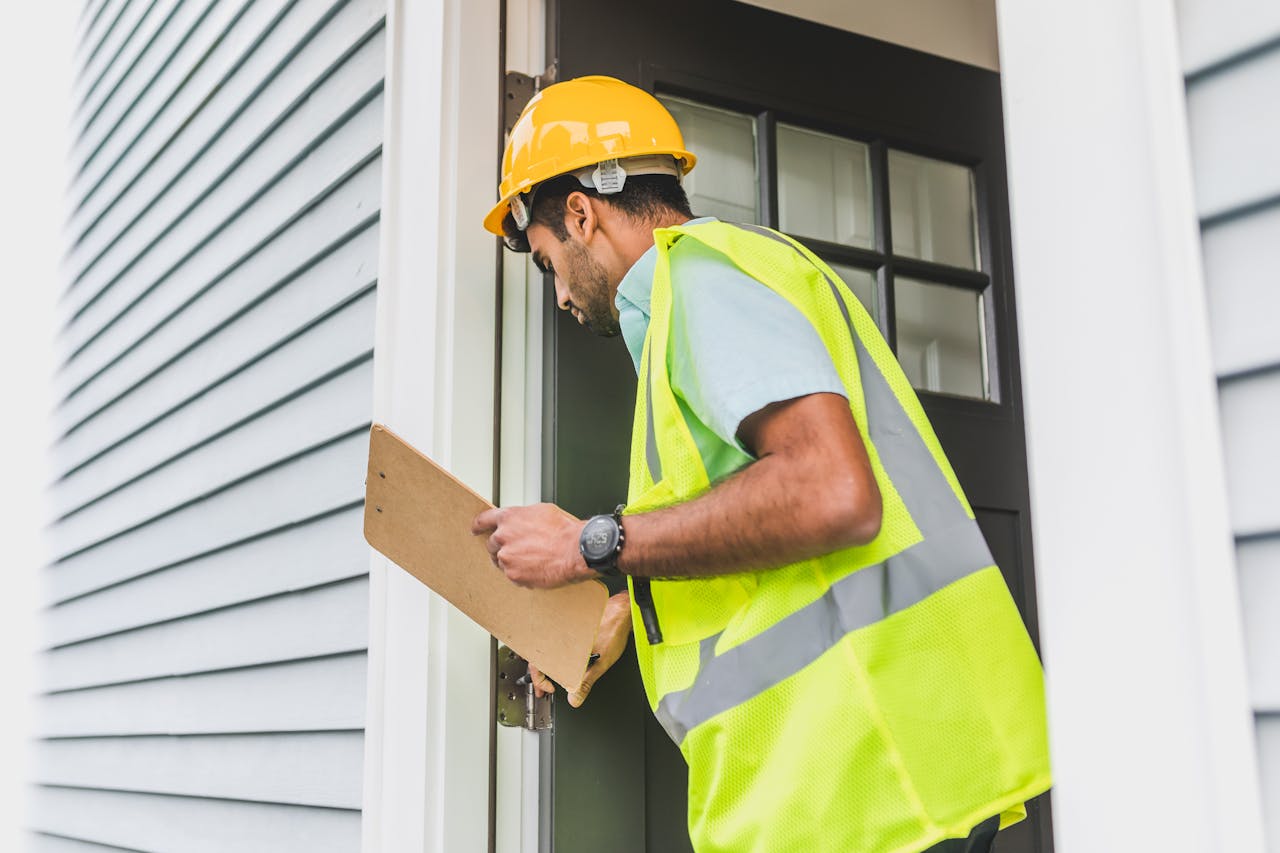


When homeowners in Kanata and Stittsville think about plumbing problems, they usually picture something dramatic — a burst pipe, a flooded basement, or a leaking ceiling.
But in the homes I inspect across these communities, the most damaging plumbing issues rarely start with a crisis.
They start quietly.
Aging plumbing systems don’t typically fail all at once. Instead, they deteriorate slowly behind walls, under floors, above ceilings, and inside mechanical rooms. Small weaknesses form. Connections loosen. Corrosion develops. Materials degrade. And over time, those subtle changes quietly increase the risk of water damage.
By the time a homeowner sees visible staining or dripping, the plumbing system may have been under stress for years.
In this guide, I’ll explain why aging plumbing systems in Kanata and Stittsville homes often increase water damage risk, what makes homes in this area particularly vulnerable, the subtle warning signs I look for during inspections, and why early intervention is critical.
Why Plumbing Age Matters More Than Most Homeowners Realize
Every plumbing system has a lifespan.
Materials used in Kanata and Stittsville homes over the past 30–40 years include:
- Copper supply lines
- PEX piping
- Polybutylene (in some older properties)
- Cast iron drain lines
- ABS or PVC drains
- Brass shut-off valves
- Flexible appliance connectors
Each material ages differently.
What’s important to understand is this: plumbing systems rarely fail because of one defective pipe. They fail because of gradual wear across multiple components.
Water is constant.
Pressure is constant.
Expansion and contraction are constant.
Over decades, constant stress adds up.
The Hidden Nature of Plumbing Deterioration
Unlike roofing or siding, plumbing systems are mostly concealed.
Supply lines run:
- Inside walls
- Beneath floors
- Through ceilings
- Behind insulation
Drain lines pass through framing cavities and slab areas.
This means aging occurs out of sight.
Homeowners may not realize that:
- Valves are corroding internally
- Fittings are weakening
- Pipe walls are thinning
- Drain lines are narrowing
Plumbing often fails quietly before it fails visibly.
Kanata and Stittsville Homes: Why Local Conditions Matter
Kanata and Stittsville homes face specific environmental factors that influence plumbing longevity:
1. Cold Winters
Extended winter seasons create:
- Repeated pipe expansion and contraction
- Elevated freeze risk near exterior walls
- Temperature stress on fittings
Even when pipes don’t freeze, long cold seasons create stress cycles.
2. Hard Water
Many homes in these communities experience moderate to hard water levels.
Hard water contributes to:
- Mineral buildup inside pipes
- Reduced internal diameter
- Increased pressure stress
- Accelerated valve wear
Over time, scale buildup narrows flow pathways and increases internal stress.
3. Basement Installations
Many Kanata and Stittsville homes have fully finished basements.
Plumbing often runs above finished ceilings or inside enclosed walls.
This makes small leaks harder to detect early.
Subtle Sign #1: Minor Water Pressure Changes
One of the earliest indicators of aging plumbing is inconsistent water pressure.
Homeowners may notice:
- Slight reduction in flow
- Pressure that fluctuates when multiple fixtures are used
- Small bursts of air in the lines
These symptoms can indicate:
- Partial pipe narrowing from mineral deposits
- Aging pressure regulators
- Corrosion inside fittings
Pressure irregularities are often dismissed — but they may signal internal wear.
Subtle Sign #2: Slow Drainage Without Obvious Blockage
Aging drain lines often accumulate buildup gradually.
Cast iron pipes, in particular, can develop internal corrosion that reduces flow.
During inspections, I watch for:
- Slow bathtub drainage
- Gurgling sounds
- Recurring minor clogs
- Slight sewer odors
Drain lines don’t collapse overnight.
They degrade from the inside out.
And early signs are easy to ignore.
Subtle Sign #3: Discoloration at Shut-Off Valves
Shut-off valves are high-stress components.
Over time, I often see:
- Green oxidation on copper fittings
- White mineral deposits
- Slight rust at connection points
- Stiff or difficult valve handles
Valves are frequently the first point of failure in aging systems.
A leaking valve may drip slowly for months before it’s noticed.
Subtle Sign #4: Water Heater Corrosion Patterns
Water heaters are central components of plumbing systems.
In Kanata and Stittsville homes, I look for:
- Rust at the base
- Corrosion around inlet/outlet fittings
- Sediment accumulation signs
- Expansion tank deterioration
Aging water heaters can fail suddenly — but they usually show visible corrosion clues first.
Sediment buildup inside tanks also increases internal pressure stress.
Subtle Sign #5: Small Ceiling or Baseboard Stains
The most telling signs of aging plumbing often appear as minor staining.
I frequently notice:
- Slight discoloration on basement ceilings
- Warped baseboards near bathrooms
- Faint yellow rings on drywall
- Peeling paint beneath second-floor bathrooms
Small leaks can remain active for long periods without dramatic dripping.
Water damage accumulates slowly.
Why Polybutylene and Early PEX Require Special Attention
Some older Kanata and Stittsville homes may contain polybutylene piping — a material known for gradual failure risk.
Even early generations of PEX can show:
- Brittle fittings
- Discoloration at connections
- Weak crimp rings
These systems don’t always fail predictably.
They require careful inspection and monitoring.
Drain Line Aging Beneath Slabs
In some properties, drain lines run beneath basement slabs.
Over time, these lines may experience:
- Joint separation
- Soil shifting stress
- Corrosion (in cast iron systems)
- Root intrusion (in some areas)
Because these lines are buried, leaks can go undetected until:
- Floors shift
- Sewer smells develop
- Water backs up
- Foundation moisture increases
Subtle plumbing deterioration beneath slabs can influence structural moisture risk.
The Compounding Risk of Finished Basements
Finished basements increase water damage risk because:
- Pipes are concealed behind drywall
- Leaks soak insulation before becoming visible
- Flooring traps moisture
- Mold develops before detection
In Kanata and Stittsville homes with renovated basements, I pay close attention to:
- Access panels
- Drop ceiling areas
- Utility room exposure
- Signs of past repair patches
Aging plumbing in finished spaces often causes hidden damage first.
Why Small Leaks Become Expensive
The most expensive plumbing damage isn’t from burst pipes.
It’s from slow leaks.
A pinhole leak can:
- Saturate insulation
- Warp framing
- Trigger mold growth
- Damage flooring
- Compromise drywall
Over months or years, that minor leak can cause thousands of dollars in repairs.
And because it’s gradual, homeowners may not associate symptoms with plumbing at all.
The Role of Pressure Regulators
Many homes rely on pressure reducing valves (PRVs).
If these regulators age or malfunction, they can allow:
- Excessive water pressure
- Strain on fittings
- Accelerated wear
I evaluate pressure levels during inspections because elevated pressure increases long-term failure risk significantly.
Consistent high pressure shortens plumbing lifespan.
Why Plumbing Failures Often Appear “Sudden”
Homeowners often describe plumbing failures as sudden.
But in reality, what feels sudden is usually the final stage of long-term deterioration.
For example:
- Corrosion weakens a pipe wall for years.
- One cold night adds contraction stress.
- The weakened section gives way.
The failure moment is sudden.
The aging process wasn’t.
What I Evaluate During Plumbing Inspections in Kanata and Stittsville
When inspecting aging plumbing systems, I assess:
- Pipe material type and age
- Visible corrosion patterns
- Water pressure levels
- Drain flow performance
- Valve condition
- Water heater age and wear
- Evidence of past repairs
- Moisture staining patterns
- Under-sink connections
- Appliance supply lines
Plumbing evaluation is about identifying risk — not just leaks.
Preventative Steps That Reduce Water Damage Risk
Addressing aging plumbing doesn’t always require full replacement.
Often, risk reduction involves:
- Replacing aging shut-off valves
- Installing updated supply connectors
- Monitoring water pressure
- Flushing sediment from water heaters
- Inspecting concealed areas periodically
- Replacing suspect piping proactively
Small updates reduce long-term exposure significantly.
Final Thoughts: Plumbing Ages Quietly — But Risk Grows Over Time
In Kanata and Stittsville homes, aging plumbing systems increase water damage risk not because they are poorly installed — but because time, pressure, minerals, and temperature cycles gradually weaken them.
The warning signs are subtle:
- Slight staining
- Pressure shifts
- Minor corrosion
- Slow drainage
- Valve stiffness
These signs don’t demand panic.
They demand attention.
Because plumbing systems don’t usually fail without leaving clues.
And recognizing those clues early is the best way to protect a home from the kind of water damage that feels sudden — but was building quietly for years.