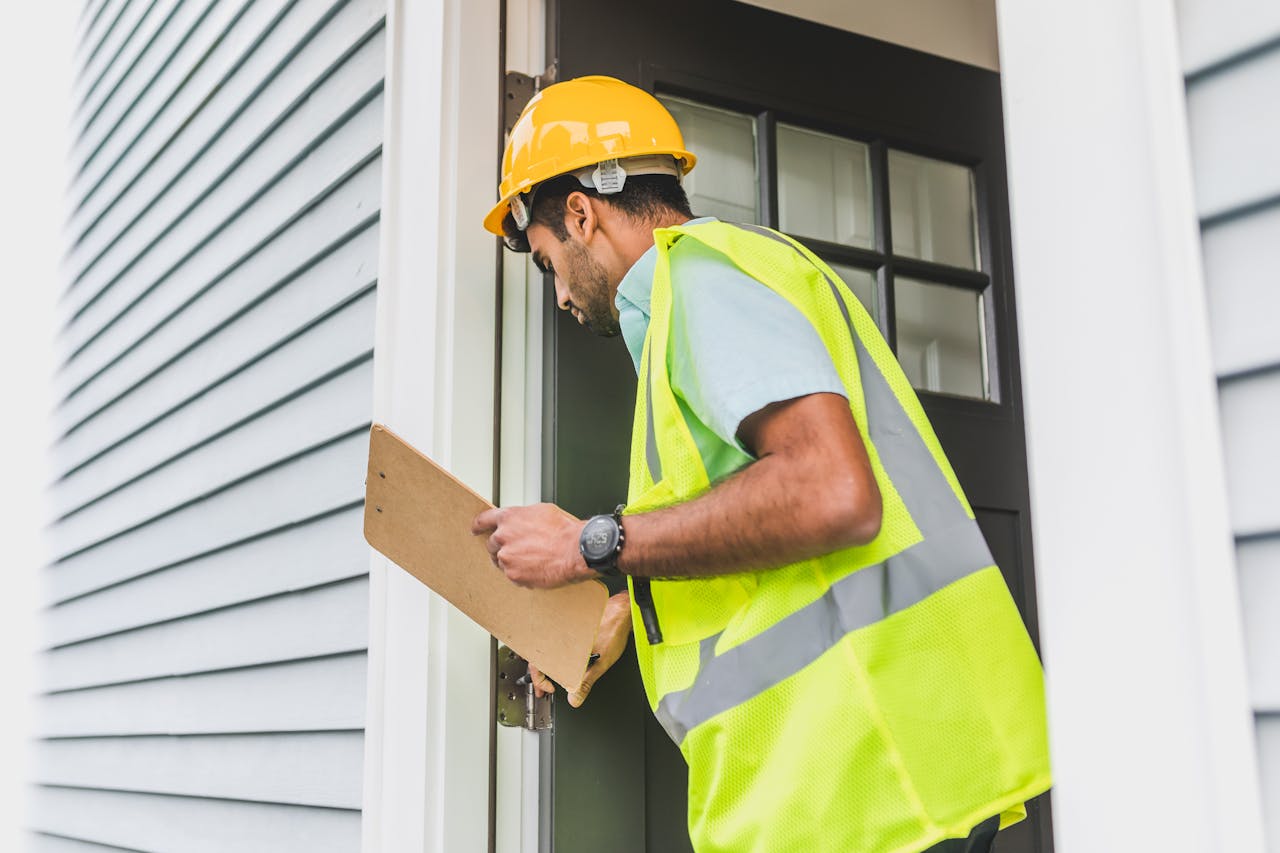

When buying a home in Kanata, most buyers naturally focus on the things they can see.
They notice the open-concept kitchen, the hardwood flooring, the renovated bathrooms, the size of the backyard, and the overall layout. Those features are important because they influence how a home feels.
But after performing home inspections throughout Kanata, Ottawa, Stittsville, Barrhaven, Orleans, Nepean, Rockland, Kemptville, Arnprior, Carleton Place, and Cornwall, I have learned that some of the most important aspects of a home are the ones buyers rarely think about.
In fact, many of the issues that eventually cost homeowners the most money are hidden in areas they never inspect during a showing.
When buyers search for terms like home inspection Kanata, home inspection Ottawa, home inspection near me, best home inspector near me, or home inspection cost, they are often trying to understand whether the property has hidden problems.
The reality is that a professional home inspection involves evaluating much more than visible defects.
In this blog, I will walk through some of the important things I check during a home inspection that most buyers never think about and explain why these details can make a significant difference after closing.
I Look at How Water Moves Around the Property
Most buyers focus on the home itself.
I focus on what happens around the home as well.
One of the first things I evaluate is how water drains across the property.
Poor drainage can contribute to:
- Basement moisture
- Foundation stress
- Water intrusion
- Landscaping damage
I examine:
- Grading around the foundation
- Downspout locations
- Surface drainage patterns
- Low areas where water may collect
A beautifully maintained lawn can still hide drainage issues that may affect the home’s long-term performance.
I Check the Areas Where Roof Problems Usually Begin
Many buyers look at the roof from the driveway and assume everything is fine if the shingles appear intact.
However, some of the most common roofing concerns begin in areas buyers rarely notice.
I pay close attention to:
- Flashing around chimneys
- Plumbing vent penetrations
- Roof valleys
- Skylight installations
- Roof-to-wall transitions
These areas are often where leaks begin.
Finding early warning signs can help buyers avoid major repairs later.
I Evaluate Attic Ventilation
Most buyers never enter the attic.
Yet the attic is one of the most important areas of the home.
Poor attic ventilation can contribute to:
- Moisture buildup
- Mold growth
- Reduced roof lifespan
- Increased energy costs
- Ice dam formation during winter
I inspect:
- Ventilation pathways
- Airflow conditions
- Signs of condensation
- Roof sheathing condition
Attic issues often develop long before any visible symptoms appear inside the living space.
I Look for Evidence of Air Leakage
One of the hidden factors affecting comfort and energy efficiency is air leakage.
Many homes lose heated or cooled air through:
- Attic openings
- Utility penetrations
- Poorly sealed areas
- Insulation gaps
These issues may not be visible during a showing, but they can significantly impact:
- Heating costs
- Cooling costs
- Indoor comfort
- HVAC system workload
Understanding how air moves through a home helps provide a more complete picture of its performance.
I Examine Foundation Clues Beyond Cracks
Most buyers worry about foundation cracks.
What many people do not realize is that foundation performance involves much more than visible cracking.
I look for:
- Signs of settlement
- Water staining
- Efflorescence
- Structural movement indicators
- Drainage-related concerns
A foundation can appear visually acceptable while still showing subtle signs that deserve attention.
Conversely, some cracks are completely normal and not a major concern.
The key is understanding the context.
I Check Areas Hidden Behind Storage
Basements, utility rooms, and garages often contain stored belongings.
Sometimes these items conceal important parts of the home.
Whenever possible, I inspect accessible areas behind or around storage to identify:
- Moisture concerns
- Foundation conditions
- Plumbing issues
- Structural observations
These hidden spaces often reveal information that would otherwise go unnoticed.
I Evaluate Bathroom Ventilation Performance
Most buyers test the lights and faucets in a bathroom.
I also pay attention to ventilation.
Poor bathroom ventilation can contribute to:
- Moisture accumulation
- Mold growth
- Paint deterioration
- Attic moisture issues
I evaluate whether ventilation systems appear to be functioning properly and whether moisture is being managed effectively.
I Look at the Age and Condition of Major Systems
Many systems continue operating long after they begin showing signs of aging.
For example:
- A furnace may still work while nearing replacement age.
- A water heater may function despite visible wear.
- An air conditioning system may cool the home while showing signs of reduced lifespan.
I assess:
- Equipment age
- Visible condition
- Maintenance indicators
- Installation quality
This helps buyers understand future ownership costs, not just current functionality.
I Inspect Areas Most Homeowners Rarely Visit
Some of the most valuable information comes from areas people rarely enter.
These include:
- Attics
- Crawl spaces
- Utility rooms
- Mechanical areas
- Exterior drainage zones
Because these spaces receive little attention, problems can develop unnoticed for years.
Evaluating them often reveals critical information about the home’s overall condition.
I Look for Signs of Previous Repairs
Previous repairs are not necessarily a bad thing.
In many cases, they demonstrate that an issue was identified and addressed.
However, understanding those repairs is important.
I look for:
- Foundation patching
- Plumbing repairs
- Roof repairs
- Structural modifications
- Electrical updates
These observations help build a clearer picture of the property’s history.
I Evaluate Moisture Risks, Not Just Moisture Damage
Many people think moisture inspections only involve looking for visible water damage.
In reality, I spend just as much time looking for conditions that could create future moisture problems.
Examples include:
- Poor grading
- Inadequate ventilation
- Blocked drainage paths
- Missing downspout extensions
- Insulation deficiencies
Addressing risk factors early is often much less expensive than repairing damage later.
I Pay Attention to DIY Renovations
Kanata contains many homes that have been updated over the years.
While renovations can add value, they can also introduce concerns.
I often look for signs of:
- Improper electrical modifications
- Plumbing shortcuts
- Structural changes
- Incomplete work
Fresh finishes can sometimes distract buyers from evaluating how the work was actually completed.
A home inspection focuses on both appearance and performance.
I Check How the Home Handles Moisture in the Basement
Basements tell an important story.
Beyond visible damage, I look for:
- Musty odors
- Efflorescence
- Humidity concerns
- Drainage indicators
- Evidence of previous water intrusion
Many moisture issues begin subtly and gradually.
The earlier they are identified, the easier they are to manage.
I Evaluate Safety Features Buyers Often Overlook
Many buyers focus on major systems but overlook safety-related items.
During inspections, I evaluate:
- Smoke detectors
- Carbon monoxide detectors
- Handrails
- Guardrails
- Electrical safety devices
These components play an important role in protecting occupants and are often easy to overlook during a walkthrough.
I Assess the Home as a Complete System
Perhaps the biggest thing buyers never think about is that a home functions as a system.
Every component affects the others.
For example:
- Drainage affects foundations.
- Ventilation affects roofing.
- Insulation affects HVAC performance.
- Moisture affects structural materials.
Rather than viewing each component individually, I evaluate how they work together.
This provides a much more accurate understanding of the home’s condition.
Why These Details Matter
The items I have discussed are often overlooked because they are:
- Hidden
- Technical
- Out of sight
Yet they frequently have the greatest impact on:
- Maintenance costs
- Energy efficiency
- Long-term durability
- Homeowner comfort
- Property value
A thorough inspection helps uncover these details before they become expensive surprises.
Helping Buyers Make Smarter Decisions
My goal during every inspection is not simply to identify defects.
It is to help buyers understand the property they are considering.
When buyers understand:
- The home’s strengths
- Potential concerns
- Future maintenance needs
They can make informed decisions with confidence.
That confidence is one of the most valuable benefits a home inspection provides.
Final Thoughts
Buying a home in Kanata is an exciting opportunity, but it is important to remember that some of the most important details are the ones you cannot immediately see.
If you are searching for:
- Home inspection Kanata
- Home inspection Ottawa
- Home inspection near me
- Best home inspector near me
- Home inspections Ontario
- Home inspection cost
- Home inspection Ottawa cost
Remember that a professional home inspection goes far beyond checking visible defects.
It involves evaluating the hidden systems, subtle warning signs, and long-term performance factors that most buyers never think about.
Because understanding the true condition of a home is not about what looks good on the day of the showing.
It is about knowing how the property will perform for years after you move in.