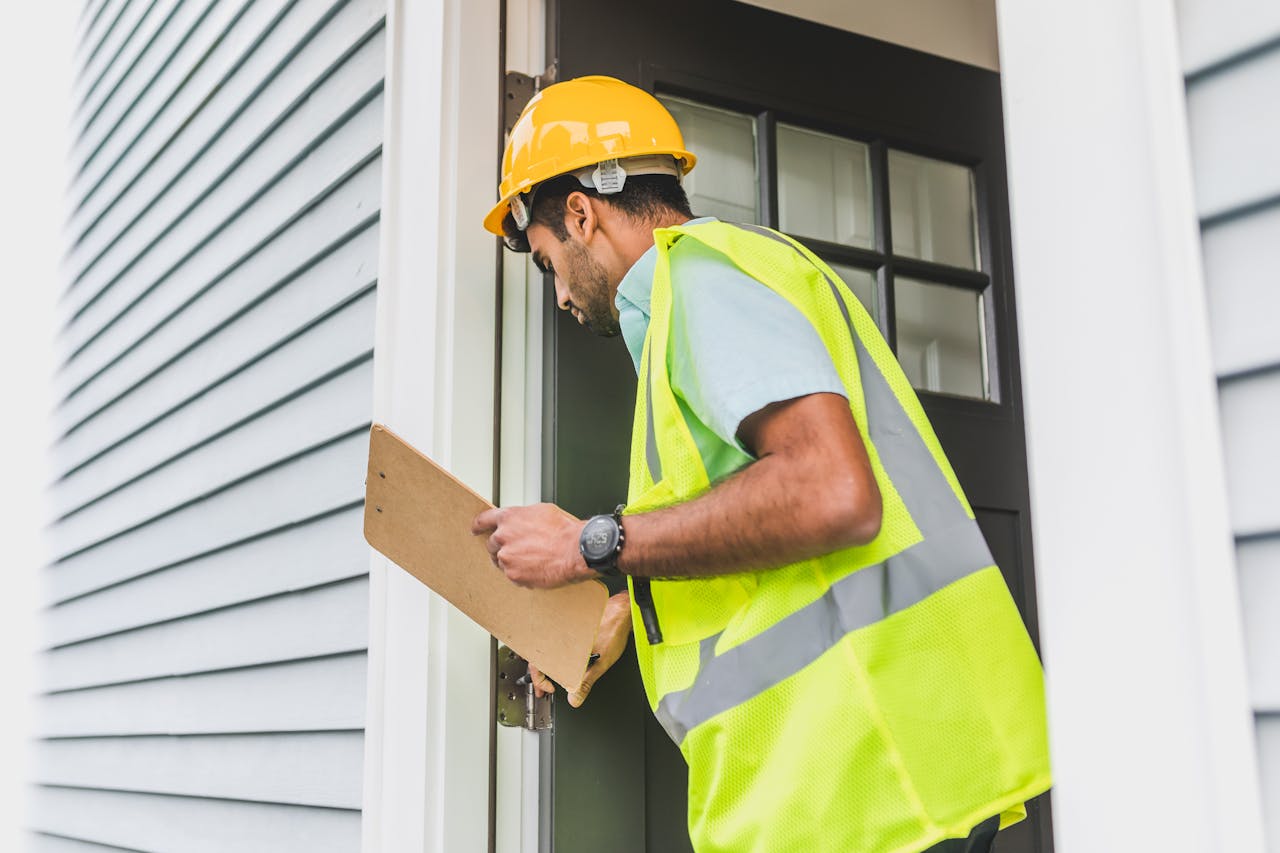

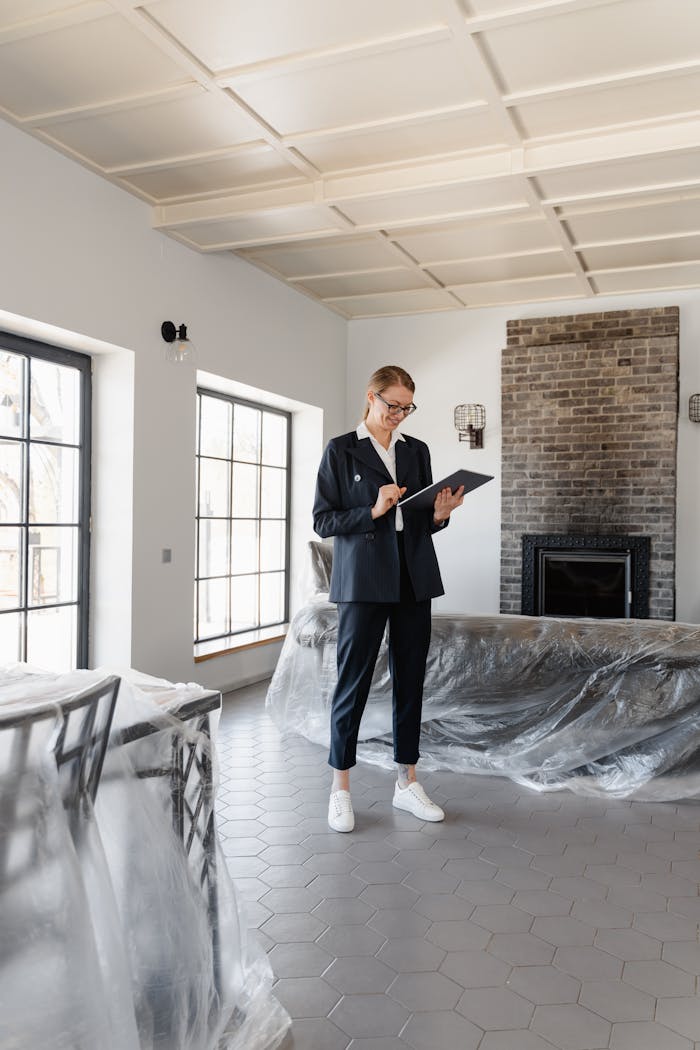
Selling a home can be both exciting and stressful. Once your property is listed and offers start coming in, there is one stage that often makes sellers nervous: the home inspection.
After performing home inspections throughout Carleton Place, Ottawa, Kanata, Stittsville, Barrhaven, Orleans, Nepean, Kemptville, Arnprior, Rockland, and Cornwall, I can tell you that many inspection issues are not surprises. In fact, some of the most common red flags I identify could have been addressed before the inspection ever took place.
That does not mean sellers should try to hide defects or cover up concerns. Quite the opposite.
The goal should be to present the home honestly while addressing preventable issues that may create unnecessary concern for buyers.
A well-prepared home often results in:
- A smoother inspection
- Greater buyer confidence
- Fewer negotiation challenges
- Faster closings
- Reduced stress for everyone involved
If you’re preparing to sell your home in Carleton Place, here are the most important things I recommend doing before a home inspection.
Understand What Buyers Are Looking For
One of the biggest misconceptions sellers have is that buyers are expecting a perfect home.
They are not.
Most buyers understand that every property will have:
- Minor maintenance items
- Normal wear and tear
- Aging components
What creates concern are issues that suggest:
- Deferred maintenance
- Safety concerns
- Water intrusion
- Structural problems
- Neglected systems
The purpose of preparing for an inspection is not to create perfection.
It is to demonstrate that the home has been cared for.
Fix Small Maintenance Issues Before They Grow Into Bigger Concerns
One of the first things buyers notice in an inspection report is the number of small deficiencies.
While individually minor, a long list of neglected maintenance items can create the impression that larger issues may also have been ignored.
Common examples include:
- Loose door handles
- Missing outlet covers
- Damaged weather stripping
- Dripping faucets
- Loose handrails
- Sticking windows
- Broken light fixtures
These are often inexpensive and easy to address.
Completing these repairs before the inspection helps create a stronger overall impression of the property.
Address Water Issues Immediately
If there is one thing that consistently raises concerns during inspections, it is water.
Moisture-related issues often trigger additional questions from buyers because water has the potential to affect multiple systems throughout the home.
Before an inspection, sellers should check for:
Leaky Faucets
Small drips may seem insignificant, but they are one of the first things inspectors notice.
Active Plumbing Leaks
Inspect beneath:
- Kitchen sinks
- Bathroom vanities
- Laundry areas
Moisture Stains
Investigate any:
- Ceiling stains
- Wall discoloration
- Water marks
Even if a previous issue has been repaired, documentation can help explain the situation.
Exterior Drainage
Ensure:
- Gutters are functioning properly
- Downspouts direct water away from the foundation
- Water does not pool near the home
Water management is one of the most important aspects of home maintenance.
Make Sure the Attic Is Accessible
One of the most common challenges inspectors face is limited access to the attic.
Before the inspection:
- Remove stored items around attic access points
- Ensure access hatches can be opened
- Clear pathways if applicable
The attic often contains important information about:
- Ventilation
- Insulation
- Roof performance
Providing easy access helps ensure the inspection proceeds efficiently.
Replace Burned-Out Light Bulbs
This may seem like a small detail, but it matters.
When a light fixture does not work, an inspector cannot immediately determine whether the issue is:
- A burned-out bulb
- A faulty switch
- An electrical problem
Replacing burned-out bulbs before the inspection helps eliminate unnecessary questions.
Service Your HVAC System
Heating and cooling systems are major components of every home.
If possible, schedule routine servicing before listing.
Keep records of:
- Furnace maintenance
- Air conditioning servicing
- Filter changes
Buyers appreciate seeing evidence that systems have been properly maintained.
It also demonstrates responsible ownership.
Change Furnace Filters
A dirty furnace filter may seem minor, but it can create an impression of neglected maintenance.
Replacing the filter is inexpensive and helps demonstrate care for the HVAC system.
It also improves airflow and overall system performance.
Test Smoke and Carbon Monoxide Detectors
Safety devices should always be functional.
Before the inspection:
- Test all smoke detectors
- Test carbon monoxide detectors
- Replace batteries if needed
These are simple steps that help eliminate avoidable safety concerns from the report.
Check Exterior Caulking and Seals
Exterior openings are common sources of moisture intrusion.
Inspect:
- Windows
- Doors
- Exterior penetrations
Replace deteriorated caulking where necessary.
Proper sealing helps protect the home from water intrusion and improves energy efficiency.
Clean Gutters and Downspouts
Gutters are one of the most overlooked maintenance items.
Clogged gutters can contribute to:
- Overflowing water
- Foundation concerns
- Roof drainage issues
Before an inspection:
- Remove debris
- Ensure downspouts are secure
- Verify water is directed away from the home
This simple maintenance task can prevent several potential inspection comments.
Address Minor Roof Maintenance
If you are aware of small roofing issues, consider addressing them before listing.
Examples include:
- Missing shingles
- Loose flashing
- Minor repairs identified previously
Roof concerns often create significant buyer anxiety because roofing systems can be expensive to replace.
Preventative maintenance helps reduce those concerns.
Organize Documentation
One of the best things sellers can do is gather records related to the property.
Examples include:
- Roof replacement records
- HVAC servicing records
- Renovation permits
- Appliance warranties
- Plumbing upgrades
- Electrical improvements
Documentation helps provide context and confidence for buyers.
It also demonstrates pride of ownership.
Ensure Utilities Are Connected
During the inspection:
- Water should be on
- Electricity should be active
- Gas service should be available if applicable
Inspectors need operational systems to perform a complete evaluation.
Disconnected utilities can delay the process and create unnecessary complications.
Make Mechanical Areas Accessible
Inspectors need access to:
- Electrical panels
- Furnaces
- Water heaters
- Plumbing shutoffs
Before the inspection:
- Remove storage items
- Clear access areas
- Ensure panels can be opened safely
Accessibility helps ensure a thorough and efficient inspection.
Don’t Ignore the Basement
Basements often receive significant attention during inspections.
Before the inspection:
- Remove items blocking foundation walls
- Address obvious moisture issues
- Check for signs of leaks
A clean, accessible basement allows for a more complete evaluation and reduces unnecessary concerns.
Consider a Pre-Listing Inspection
Some sellers choose to have their own inspection completed before listing.
A pre-listing inspection can help identify:
- Potential concerns
- Deferred maintenance
- Safety issues
This allows sellers to address problems proactively rather than reacting to them during negotiations.
Many homeowners find this approach reduces surprises later in the transaction.
Be Honest About Known Issues
One of the biggest mistakes sellers can make is attempting to conceal known defects.
Most significant issues eventually become apparent during an inspection.
Instead:
- Address concerns when possible
- Disclose known issues appropriately
- Provide documentation for completed repairs
Transparency builds trust and often results in smoother transactions.
Why First Impressions Matter
Buyers often form opinions about a home’s condition long before they receive the inspection report.
A property that appears well-maintained creates confidence.
Simple improvements such as:
- Clean mechanical areas
- Organized storage spaces
- Functional fixtures
- Completed minor repairs
can positively influence how buyers perceive the overall condition of the home.
The Goal Is Confidence, Not Perfection
One thing I always tell sellers is that inspections are not about achieving a perfect report.
Every home has findings.
What buyers want is confidence that:
- The home has been maintained
- Major systems are functioning properly
- There are no unexpected surprises
A home that demonstrates care and maintenance often performs very well during the inspection process.
Final Thoughts
Selling a home in Carleton Place is a significant milestone, and preparing for the inspection is one of the smartest things you can do before accepting an offer.
If you are searching for information related to:
- Home inspection Carleton Place
- Home inspection Ottawa
- Home inspection near me
- Home inspections Ontario
- Home inspection cost
- Best home inspector near me
Remember that many inspection red flags can be minimized through proactive maintenance and preparation.
The goal is not to hide defects.
The goal is to present a well-maintained property that gives buyers confidence in their decision.
Because when buyers feel confident, transactions move more smoothly, negotiations become easier, and everyone benefits from a more successful sale.