

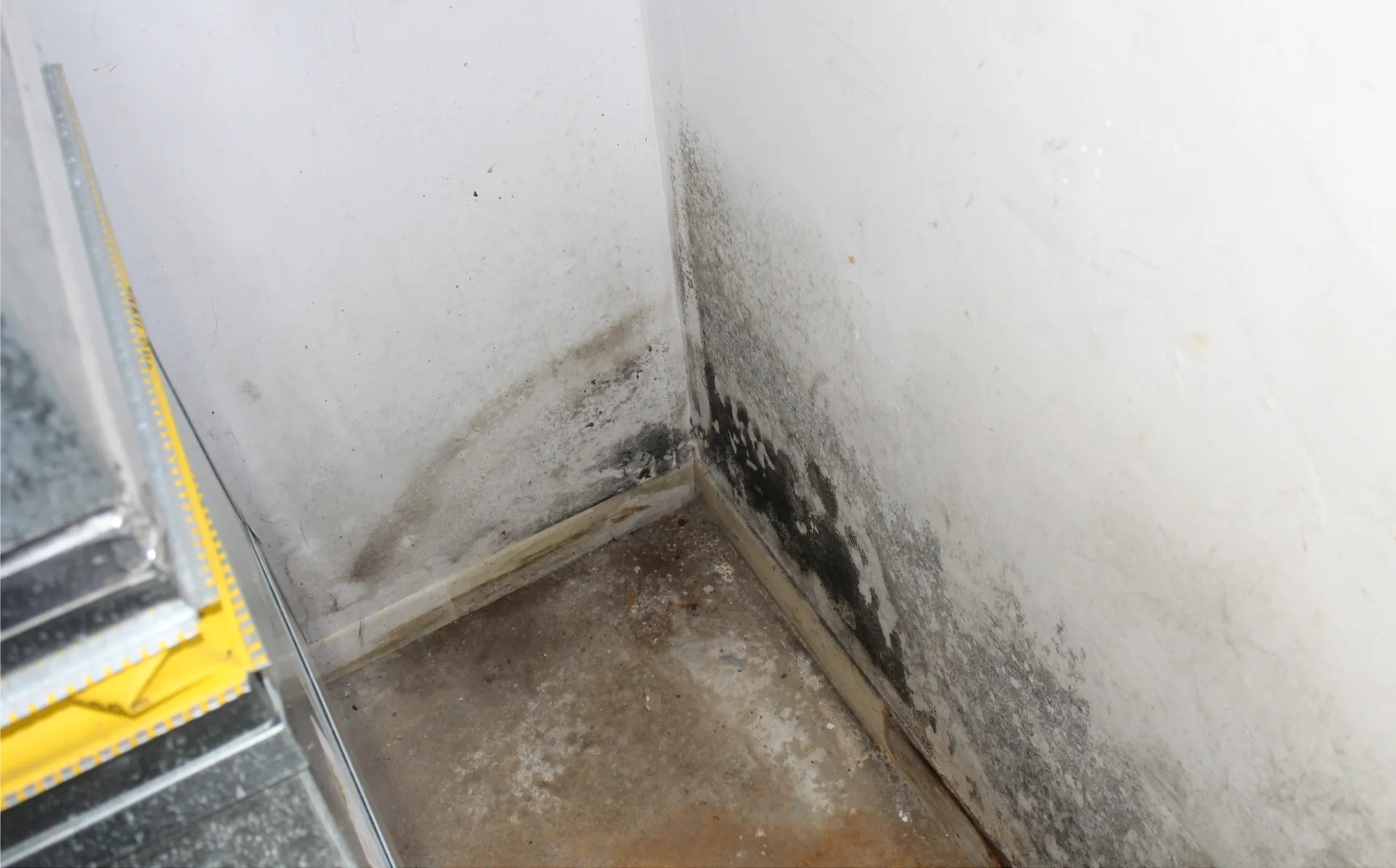
Water is one of the most destructive forces that can affect a home. Unlike a roof shingle that blows off during a storm or a furnace that suddenly stops working, water damage often develops quietly. It can hide behind walls, beneath flooring, inside attics, and around foundations for months or even years before homeowners realize there is a problem.
After inspecting homes throughout Orleans, Ottawa, Barrhaven, Nepean, Kanata, Rockland, Kemptville, Cornwall, and surrounding communities, I can confidently say that moisture-related issues are among the most common and expensive problems I encounter.
What makes water damage particularly dangerous is that it rarely starts as a major issue. Most costly repairs begin with small warning signs that are easy to miss during a showing.
When buyers search terms like home inspection Orleans, home inspection Ottawa, home inspection near me, best home inspector near me, or home inspection cost, they are often focused on the visible condition of the property. However, some of the most important findings are hidden behind the scenes.
In this blog, I will explain how I identify potential water damage problems in Orleans homes before they become costly and why recognizing these warning signs can save buyers thousands of dollars after closing.
Why Water Damage Is Such a Serious Concern
Many home systems can be repaired or replaced over time.
Water is different.
When moisture enters a home, it can affect multiple components simultaneously.
Potential consequences include:
- Structural deterioration
- Mold growth
- Damaged insulation
- Rotting wood materials
- Flooring damage
- Drywall deterioration
- Reduced indoor air quality
The longer moisture remains undetected, the greater the potential damage becomes.
This is why identifying water-related concerns early is one of the most important parts of any home inspection.
Orleans Homes Face Unique Moisture Challenges
Orleans has experienced significant residential growth over the years.
The area contains:
- New subdivisions
- Established family neighbourhoods
- Older homes
- Recently renovated properties
- Townhomes
- Detached homes
Each property type presents different moisture-related risks.
Newer homes may have grading or drainage concerns.
Older homes may have aging waterproofing systems.
Renovated homes may conceal previous moisture damage behind new finishes.
Because of this variety, every inspection requires careful attention to potential water intrusion points.
The Exterior Often Reveals the First Clues
When evaluating moisture risks, I begin outside.
Water problems frequently start with how water moves around the property.
I pay close attention to:
Grading Around the Foundation
The ground surrounding the home should direct water away from the foundation.
When soil slopes toward the house, water can accumulate near foundation walls and increase the risk of basement moisture problems.
I frequently encounter:
- Low spots near foundations
- Settled grading
- Areas where water can collect
These conditions often develop gradually and may not be obvious to buyers.
Downspout Discharge Locations
Gutters and downspouts play a critical role in water management.
Even when gutters appear functional, downspouts that discharge too close to the home can create long-term moisture concerns.
I evaluate whether water is being directed far enough away from the foundation to reduce risk.
Surface Drainage Patterns
Large puddles, erosion patterns, and drainage channels can provide valuable clues about how water behaves during heavy rainfall.
These indicators often reveal issues that are not visible on dry inspection days.
Foundation Walls Tell an Important Story
Basements are one of the first places moisture problems become apparent.
During inspections, I carefully evaluate foundation walls for signs such as:
- Water staining
- Efflorescence
- Previous repairs
- Moisture-related discoloration
- Surface deterioration
What Is Efflorescence?
Efflorescence appears as a white, powdery substance on concrete or masonry surfaces.
While it is not mold, it often indicates that moisture has moved through the foundation wall at some point.
It serves as an important clue that water intrusion may have occurred.
Basement Conditions Often Reveal Hidden Moisture History
Finished basements can sometimes make moisture detection more challenging.
Many warning signs may be hidden behind:
- Drywall
- Flooring
- Insulation
- Finished wall systems
This is why I look for indirect indicators, including:
Musty Odors
A persistent musty smell can suggest elevated humidity or previous moisture issues.
Even when no visible damage is present, odors often provide valuable clues about underlying conditions.
Flooring Irregularities
Warping, staining, soft spots, or uneven surfaces can indicate past water exposure.
Discoloration
Subtle staining around baseboards, corners, or wall surfaces may suggest previous moisture intrusion.
Window Areas Are Common Moisture Entry Points
Windows are another area I evaluate carefully.
Improper installation, aging seals, or exterior drainage issues can allow water to enter around window openings.
I look for:
- Staining beneath windows
- Deteriorated caulking
- Damaged trim
- Signs of previous repairs
Many homeowners focus on the window itself but overlook how surrounding materials can reveal moisture concerns.
Attics Often Expose Water Problems Before Living Areas Do
One of the most revealing areas of a home is the attic.
Attics frequently show evidence of moisture problems long before they become visible inside the living space.
During attic inspections, I look for:
Roof Leak Indicators
Water stains on roof sheathing or framing members can reveal previous or active roof leaks.
Condensation Issues
Poor attic ventilation can cause moisture accumulation even when the roof itself is functioning properly.
This can lead to:
- Mold growth
- Wood deterioration
- Reduced insulation effectiveness
Insulation Conditions
Compressed or stained insulation may indicate previous moisture exposure.
These clues help build a more complete understanding of the home’s overall condition.
Roofing Systems Play a Critical Role
Many water problems begin at the roof.
Even minor roofing deficiencies can allow moisture to enter over time.
I inspect:
- Shingle condition
- Flashing installation
- Roof penetrations
- Vent locations
- Gutter systems
Particular attention is given to areas around:
- Plumbing vents
- Chimneys
- Skylights
- Roof transitions
These locations are among the most common sources of roof-related water intrusion.
Bathrooms Can Hide Moisture Problems
Bathrooms generate significant amounts of moisture every day.
When ventilation is inadequate or plumbing leaks develop, problems can occur behind finished surfaces.
I evaluate:
- Fixture areas
- Visible plumbing connections
- Ventilation systems
- Signs of staining or deterioration
Small leaks beneath sinks or around fixtures can cause substantial damage over time if left undetected.
Kitchens Often Reveal Plumbing Concerns
Kitchen plumbing is another area where hidden moisture issues frequently develop.
I inspect:
- Sink cabinets
- Plumbing connections
- Appliance hookups
- Visible signs of leakage
Many homeowners are surprised to learn that slow leaks can continue for years before becoming noticeable.
During inspections, I look for evidence that may suggest ongoing moisture exposure.
HVAC Systems Can Contribute to Moisture Issues
Heating and cooling systems are not always associated with water damage, but they can play an important role.
Condensation from HVAC equipment must be managed properly.
Potential concerns include:
- Improper drainage
- Condensation buildup
- Elevated indoor humidity
When HVAC systems are not functioning correctly, moisture-related problems can develop elsewhere in the home.
Why Early Detection Matters
One of the most important lessons I share with buyers is that water damage rarely becomes expensive overnight.
Most major repairs start as small issues.
For example:
- A minor roof leak becomes attic damage.
- Poor grading becomes basement moisture.
- A small plumbing leak becomes mold growth.
- Inadequate ventilation becomes structural deterioration.
Finding these issues early allows homeowners to address them before repair costs escalate.
The Difference Between Active and Historical Moisture
During inspections, it is important to distinguish between:
Active Moisture Problems
These are issues that appear to be ongoing and may require immediate attention.
Historical Moisture Evidence
These are signs that moisture was present at some point in the past but may have already been addressed.
Understanding the difference helps buyers evaluate risk appropriately.
Not every stain indicates a current problem.
Not every repair means a concern still exists.
The key is understanding the context.
Why Moisture Issues Are Often Missed During Showings
Most showings last only a short period of time.
Buyers are naturally focused on:
- Layout
- Finishes
- Room sizes
- Overall appearance
As a result, subtle moisture indicators often go unnoticed.
A professional home inspection shifts the focus toward the systems and conditions that may affect long-term ownership costs.
Helping Buyers Make Informed Decisions
My goal during every inspection is not to create fear.
It is to provide information.
When moisture concerns are identified, buyers can:
- Better understand the property
- Plan for maintenance
- Budget appropriately
- Make informed decisions before closing
Knowledge creates confidence.
And confidence is exactly what buyers need when making one of the largest investments of their lives.
Final Thoughts
After inspecting countless homes throughout Orleans and the Ottawa area, I have learned that water damage is one of the most common and costly issues homeowners face.
The good news is that most moisture-related problems provide warning signs long before major damage occurs.
If you are searching for:
- Home inspection Orleans
- Home inspection Ottawa
- Home inspection near me
- Best home inspector near me
- Home inspection cost
- Home inspections Ontario
Remember that identifying water damage is about much more than looking for leaks.
It requires understanding how moisture moves through a property, recognizing subtle warning signs, and evaluating the systems designed to keep water out.
Because when it comes to homeownership, finding moisture problems before they become costly can save you thousands of dollars and countless headaches in the years ahead.