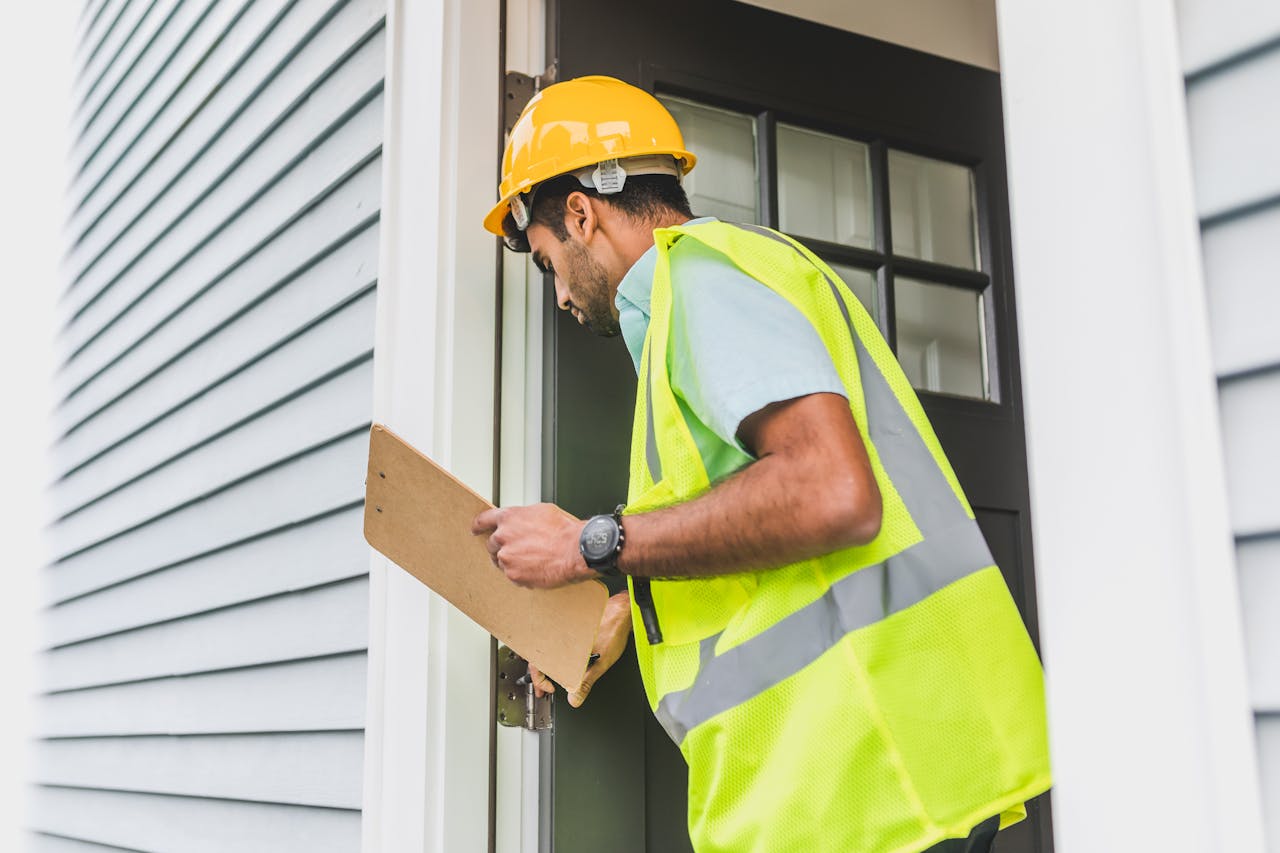


Buying an older home in Kanata can be an exciting opportunity. Many older properties offer larger lots, mature trees, established neighbourhoods, unique architectural details, and a level of character that is difficult to find in newer developments. For many buyers, these homes represent the perfect combination of charm and long-term value.
However, older homes also come with a history.
Unlike a newly built property, an older home has experienced decades of weather, changing building practices, renovations, repairs, and everyday wear. Every owner leaves their mark, whether through routine maintenance, upgrades, additions, or repairs. My job during a home inspection is to understand that history and help buyers determine how it affects the home’s current condition.
After performing home inspections throughout Kanata, Ottawa, Stittsville, Barrhaven, Nepean, Orleans, Rockland, Kemptville, Arnprior, Carleton Place, and Cornwall, I have learned that older homes require a different approach than newer properties. I am not simply looking for defects. I am evaluating how the home has performed over time and identifying the areas that deserve attention before buyers move in.
If you’re searching for Home Inspection Kanata, Home Inspection Ottawa, Home Inspection Near Me, Home Inspections Ontario, or Best Home Inspector Near Me, understanding what I look for during an inspection can help you appreciate why a thorough evaluation is one of the smartest investments you can make.
Every Older Home Has a Story
One of the first things I remind buyers is that age alone does not determine a home’s condition.
I have inspected decades-old homes that were exceptionally well maintained, and I have inspected much newer homes with significant issues.
What matters most is:
- How the home has been maintained
- The quality of previous repairs
- The condition of major systems
- Whether small problems have been addressed before becoming larger ones
Every inspection begins with the understanding that the property’s history matters just as much as its appearance.
I Evaluate the Foundation Carefully
The foundation is one of the first major components I examine.
Over many years, foundations naturally experience settlement and seasonal movement. That does not automatically indicate a serious concern.
During the inspection, I look for:
- Crack patterns
- Signs of movement
- Water staining
- Previous repairs
- Moisture indicators
- Areas where drainage may affect the foundation
My goal is to determine whether what I observe appears consistent with normal aging or whether additional attention may be warranted.
Understanding the condition of the foundation helps buyers better understand the overall stability of the property.
I Pay Close Attention to Water Management
If there is one issue that consistently affects older homes, it is water.
Water can gradually damage multiple parts of a home without becoming obvious during a showing.
I evaluate how the property manages water by inspecting:
- Grading around the home
- Gutters
- Downspouts
- Foundation walls
- Basement conditions
- Window wells
Poor drainage can contribute to:
- Basement moisture
- Foundation deterioration
- Mold growth
- Landscaping damage
Finding these concerns before closing allows buyers to plan appropriately and avoid unexpected repairs.
I Inspect the Roof Beyond What Buyers Can See
Most buyers only see the roof from ground level.
During a professional inspection, I evaluate much more than the visible shingles.
I assess:
- Roofing materials
- Flashing
- Roof penetrations
- Gutters
- Ventilation
- Signs of aging
Older roofing systems often tell an important story about how well the home has been maintained.
Even if the roof is performing well today, understanding its overall condition helps buyers prepare for future maintenance.
I Examine the Attic for Hidden Clues
One of the most valuable areas of an older home is the attic.
Many buyers never enter this space, yet it often reveals information that cannot be found elsewhere.
I inspect:
- Insulation levels
- Ventilation
- Roof sheathing
- Signs of moisture
- Previous leaks
- Structural framing
Attics often provide early evidence of roofing issues, condensation, and air leakage long before problems become visible inside the living space.
I Evaluate the Electrical System
Electrical systems often evolve over the life of an older home.
Previous owners may have completed upgrades, renovations, or additions at different times.
I carefully evaluate visible electrical components including:
- Service panels
- Wiring
- Receptacles
- Safety devices
- Visible workmanship
My goal is to identify conditions that may affect safety or require future attention while helping buyers understand the overall condition of the electrical system.
Plumbing Receives a Thorough Inspection
Older homes often contain plumbing systems that have changed over the years.
Some sections may have been updated while others remain original.
During the inspection, I evaluate:
- Visible water supply lines
- Drain piping
- Fixtures
- Water heater
- Signs of leaks
- Corrosion
- Previous repairs
Small plumbing issues can remain hidden for years before causing significant damage.
Identifying those issues early can save buyers considerable money after moving in.
I Assess Heating and Cooling Equipment
A furnace or air conditioner may still be operating even though it is approaching the end of its service life.
I inspect:
- Equipment condition
- Visible maintenance
- Installation quality
- Airflow
- General operation
Understanding the condition of HVAC equipment allows buyers to budget for future maintenance or replacement instead of being caught off guard later.
I Look Beyond Cosmetic Renovations
One of the most common mistakes buyers make is assuming beautiful renovations mean the entire home is in excellent condition.
Fresh paint, modern kitchens, and updated flooring certainly improve appearance, but they do not reveal what is happening behind the walls.
I look for signs of:
- Previous structural changes
- Plumbing modifications
- Electrical alterations
- Moisture repairs
- Renovation quality
The goal is to evaluate both appearance and workmanship.
I Check Doors and Windows for More Than Appearance
Doors and windows provide important clues about how a home has performed over time.
I assess:
- Operation
- Alignment
- Signs of settlement
- Seal condition
- Moisture indicators
A window that sticks or a door that does not close properly may simply need adjustment, but it can also provide insight into how the structure has changed over time.
Basement Conditions Tell an Important Story
Older basements often reveal valuable information about the property’s history.
During my inspection, I evaluate:
- Foundation walls
- Moisture conditions
- Efflorescence
- Previous repairs
- Signs of water intrusion
- Structural observations
Even if a basement has been beautifully finished, I look for subtle indicators that may suggest previous moisture exposure or ongoing concerns.
I Evaluate Ventilation Throughout the Home
Ventilation is often overlooked, especially in older homes.
Proper airflow affects:
- Indoor air quality
- Moisture control
- Roof performance
- Energy efficiency
I inspect visible ventilation systems and evaluate whether they appear to be functioning effectively.
Poor ventilation can contribute to problems that develop slowly over many years.
I Look for Deferred Maintenance
One of the biggest indicators of a home’s overall condition is how well routine maintenance has been handled.
Examples of deferred maintenance include:
- Damaged caulking
- Worn exterior finishes
- Loose fixtures
- Missing shingles
- Deteriorated weather sealing
Individually, these issues may seem minor.
Collectively, they help tell the story of how consistently the home has been cared for.
I Help Buyers Understand Which Issues Matter Most
Every home inspection identifies findings.
That is completely normal.
My responsibility is to help buyers understand the difference between:
Routine Maintenance
These are items that most homeowners can expect over time.
Examples include:
- Minor repairs
- Cosmetic wear
- Regular upkeep
Moderate Concerns
These may require planning or budgeting over the coming years.
Examples include:
- Aging systems
- Maintenance improvements
- Roof wear
Significant Concerns
These deserve immediate attention or further evaluation.
Examples include:
- Active moisture
- Structural movement
- Major safety issues
- Significant system deficiencies
Providing this perspective helps buyers avoid becoming overwhelmed while still understanding the property’s true condition.
I Encourage Buyers to Attend the Inspection
Whenever possible, I encourage buyers to join me during the inspection.
This allows them to:
- Ask questions
- Learn about home systems
- Understand maintenance requirements
- See findings firsthand
Many buyers tell me this is one of the most educational parts of the entire home-buying process.
The inspection becomes more than an evaluation—it becomes a lesson in homeownership.
My Goal Is to Give Buyers Confidence
At the end of every inspection, my goal is not to tell buyers whether they should purchase the home.
My goal is to provide them with the information they need to make that decision themselves.
A detailed inspection helps buyers understand:
- The home’s strengths
- Areas requiring attention
- Future maintenance needs
- Overall condition
That knowledge gives buyers confidence before closing.
Final Thoughts
Older homes in Kanata offer incredible character, established neighbourhoods, and long-term value, but they also deserve careful evaluation before you move in.
If you are searching for:
- Home Inspection Kanata
- Home Inspection Ottawa
- Home Inspection Near Me
- Home Inspection Cost
- Best Home Inspector Near Me
- Home Inspections Ontario
Remember that a professional home inspection is about much more than creating a checklist of defects.
It is about understanding how the home has aged, how well it has been maintained, and what you can expect as its next owner.
Because the better you understand an older home before closing, the more confident you can feel about calling it your own for years to come.