

The roof is one of the most important parts of any home, yet it’s also one of the least understood by many buyers. During a home showing, most people glance at the roof from the driveway, notice that the shingles appear to be in place, and assume everything is in good condition.
Unfortunately, roof problems are not always visible from the ground.
Some of the most expensive issues I encounter begin as small, hidden problems that homeowners never notice until water starts entering the home. By that point, the damage often extends far beyond the roof itself.
After performing home inspections throughout Stittsville, Ottawa, Kanata, Barrhaven, Nepean, Orleans, Rockland, Kemptville, Arnprior, Carleton Place, and Cornwall, I have learned that identifying hidden roof problems before closing can save buyers significant money and provide valuable peace of mind.
A roof inspection isn’t simply about determining whether shingles are present. It’s about evaluating how the entire roofing system is performing and identifying subtle warning signs that may indicate future maintenance or repairs.
If you’re searching for Home Inspection Stittsville, Home Inspection Ottawa, Home Inspection Near Me, Home Inspections Ontario, Home Inspection Cost, or Best Home Inspector Ottawa, understanding how I evaluate a roof can help you appreciate why this part of the inspection is so important.
The Roof Is More Than Just Shingles
One of the biggest misconceptions I hear is that the condition of the shingles tells the entire story.
While shingles are certainly important, they are only one part of a much larger roofing system.
During every inspection, I evaluate visible and accessible components including:
- Roofing materials
- Flashing
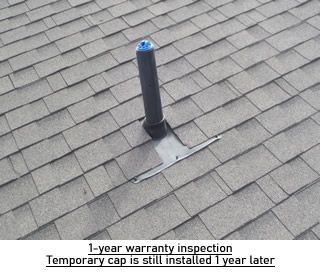
- Roof penetrations
- Gutters
- Downspouts
- Ventilation
- Attic conditions
- Roof drainage
These components work together to protect the home from weather throughout every season.
I Begin With the Overall Roof Condition
The first step is evaluating the roof as a whole.
Rather than focusing immediately on individual details, I look at the overall condition of the roofing system.
I consider:
- General appearance
- Uniformity
- Signs of aging
- Areas of visible wear
- Previous repairs
This provides an overall understanding of how the roof has been maintained over time.
I Look for Signs of Aging
Every roofing material has an expected service life.
Exposure to Ottawa’s changing weather eventually affects every roof.
I evaluate visible signs such as:
- Surface wear
- Curling or lifting materials
- Missing sections
- Uneven deterioration
- Areas of excessive weathering
Understanding how the roof is aging helps buyers prepare for future maintenance instead of facing unexpected surprises after moving in.
Flashing Is One of the First Areas I Examine
Many roof leaks do not begin in the middle of the roof.
Instead, they often begin around flashing.
Flashing is installed where different building materials meet or where objects pass through the roof.
I carefully inspect visible flashing around:
- Chimneys
- Plumbing vents
- Roof-to-wall transitions
- Skylights
- Other roof penetrations
Properly installed flashing helps direct water away from vulnerable areas.
When flashing deteriorates or becomes damaged, water may begin entering the home long before buyers notice any interior evidence.
Roof Penetrations Deserve Careful Attention
Every opening through the roof creates another opportunity for moisture intrusion.
During the inspection, I evaluate visible penetrations including:
- Plumbing vents
- Exhaust vents
- Utility penetrations
These areas rely on proper sealing to remain watertight.
Small deficiencies may eventually allow moisture to enter the roofing system.
Gutters Tell Me a Great Deal About Roof Performance
Many buyers think gutters simply collect rainwater.
In reality, gutters provide valuable information about how the roof manages water.
During the inspection, I evaluate:
- Overall condition
- Secure attachment
- Drainage performance
- Signs of overflow
- Debris accumulation
Overflowing or damaged gutters may contribute to moisture problems around the foundation as well as premature deterioration of roofing components.
Downspouts Complete the Drainage System
A roof can only perform properly if water leaves the home efficiently.
I inspect visible downspouts to determine whether they appear to direct water safely away from the structure.
I also look for:
- Evidence of soil erosion
- Splashing near the foundation
- Poor discharge locations
These observations help me evaluate how well the entire roof drainage system functions.
The Attic Often Reveals Hidden Roof Problems
One of the most valuable parts of every inspection is the attic.
Many buyers never enter this space.
However, the attic often tells me far more about the roof than I can learn from the exterior alone.
I inspect:
- Roof sheathing
- Insulation
- Ventilation
- Moisture indicators
- Signs of previous leaks
- Air leakage
Even when the roof appears attractive from outside, the attic may reveal conditions that deserve attention.
Water Stains Tell an Important Story
One of the first things I look for inside the attic is evidence of moisture.
Examples include:
- Water staining
- Discoloration
- Damp materials
- Previous repair areas
Not every stain indicates an active leak.
Sometimes it reflects a problem that has already been repaired.
My role is to evaluate the available evidence and explain what those observations may indicate.
Ventilation Affects Roof Lifespan
Many buyers don’t realize how important attic ventilation is.
Proper ventilation helps regulate temperature and moisture inside the attic.
Poor ventilation may contribute to:
- Excess heat
- Condensation
- Reduced roofing lifespan
- Ice dam formation during winter
During the inspection, I evaluate whether ventilation appears adequate for the home’s design.
Insulation and Roofing Work Together
Roof performance is closely connected to attic insulation.
Proper insulation helps:
- Reduce heat loss
- Improve energy efficiency
- Support consistent attic temperatures
When insulation is inadequate, the roofing system may experience additional stress during Ottawa’s changing seasons.
Evaluating insulation helps provide a more complete understanding of the roof’s long-term performance.
I Look for Evidence of Previous Repairs
Many roofs undergo repairs during their lifetime.
Repairs are not necessarily a concern.
In fact, they often demonstrate responsible maintenance.
However, I evaluate visible repairs to better understand:
- Workmanship
- Overall condition
- Areas that deserve monitoring
Understanding the roof’s maintenance history helps buyers gain a more complete picture of the property.
Heavy Rain Can Reveal Valuable Information
When inspections take place after rainfall, I pay particular attention to:
- Fresh moisture indicators
- Drainage performance
- Gutter operation
- Attic observations
Rain often reveals subtle conditions that may remain hidden during extended dry periods.
These observations help buyers understand how the roofing system performs under real weather conditions.
I Explain Which Findings Matter Most
Every roof has maintenance items over time.
The important part is understanding which observations require immediate attention and which simply represent normal aging.
I generally explain findings in three categories:
Routine Maintenance
Examples include:
- Minor sealant replacement
- Gutter cleaning
- Small maintenance tasks
Future Planning
These are components that continue to function but may require attention in the coming years.
More Significant Concerns
These include observations that deserve prompt repair or additional evaluation.
Providing this perspective helps buyers understand the condition of the roof without unnecessary worry.
Roof Problems Can Affect Other Parts of the Home
One reason I spend so much time evaluating roofing systems is because roof issues rarely remain isolated.
Water entering through the roof may eventually affect:
- Attic insulation
- Drywall
- Ceilings
- Framing
- Interior finishes
Identifying roofing concerns early often prevents much larger repair projects later.
Why Buyers Should Attend the Inspection
Whenever possible, I encourage buyers to attend the inspection.
Standing beneath the roof while discussing its condition helps buyers better understand:
- How the roofing system works
- Areas requiring maintenance
- Future planning
- Preventative care
Many buyers tell me this part of the inspection gives them much greater confidence about their purchase.
Why Experience Makes a Difference
After inspecting hundreds of homes throughout Stittsville, Ottawa, and the surrounding communities, I have learned where roof problems most commonly develop.
Experience helps me identify:
- Early signs of aging
- Moisture indicators
- Drainage concerns
- Ventilation deficiencies
- Areas that deserve closer attention
Most importantly, it allows me to explain these observations in plain language that buyers can easily understand.
Final Thoughts
The roof protects every other part of your home, making it one of the most important systems to evaluate before closing.
A detailed home inspection looks far beyond what is visible from the driveway, helping buyers understand how the entire roofing system is performing and whether any areas require maintenance or further attention.
If you’re searching for:
- Home Inspection Stittsville
- Home Inspection Ottawa
- Home Inspection Near Me
- Home Inspection Ottawa Cost
- Home Inspection Cost
- Best Home Inspector Ottawa
- Home Inspections Ontario
remember that a professional roof inspection isn’t simply about checking shingles.
It’s about evaluating the complete roofing system, identifying hidden warning signs, and giving you the knowledge you need to protect one of the biggest investments you’ll ever make.
Because the best time to discover a roof problem is before you own the home—not after the first heavy rainfall.