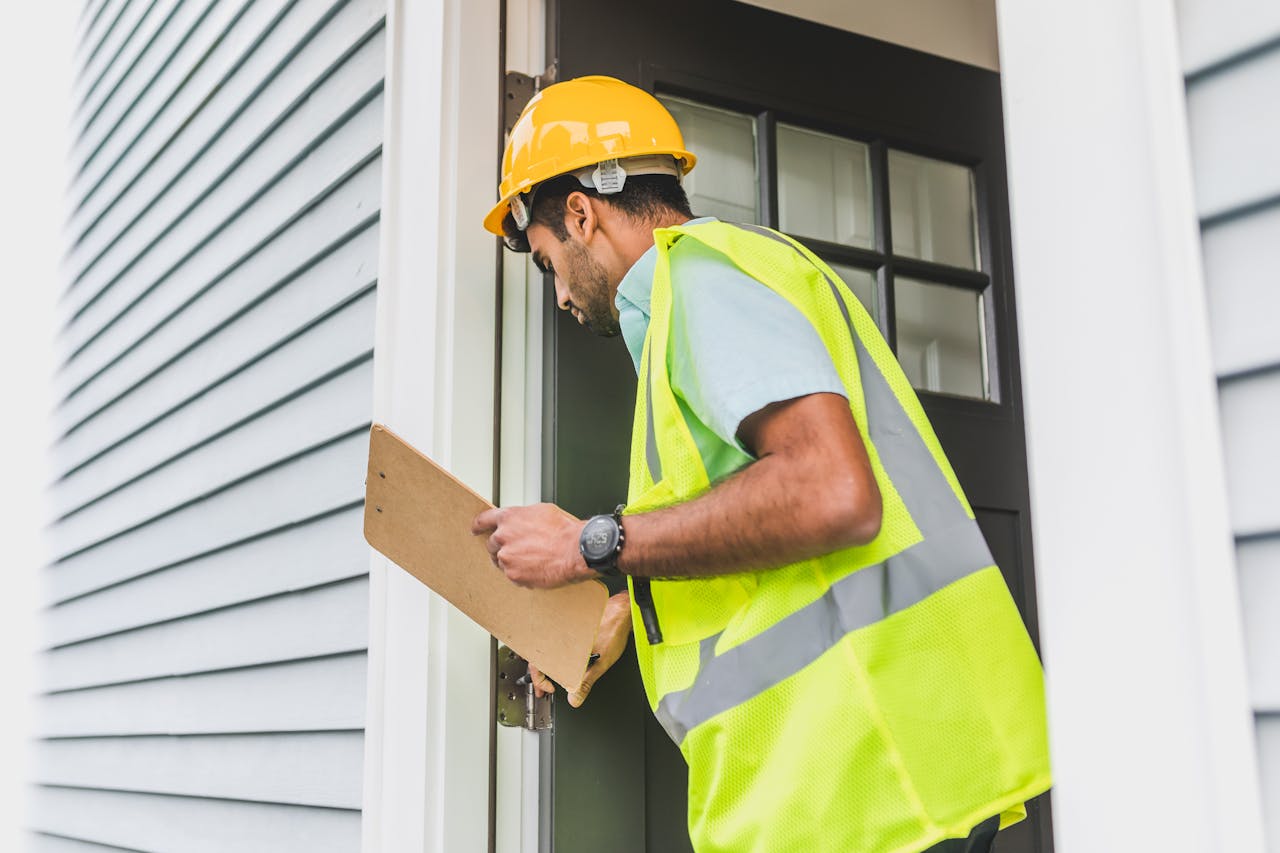


Century homes have a charm that’s difficult to replicate. From their unique architectural details and mature neighbourhoods to their craftsmanship and history, these properties continue to attract buyers looking for something special. Many homes in Carleton Place and Arnprior have stood proudly for generations, offering character and personality that newer homes often cannot match.
Buying a century home, however, is very different from buying a newer property.
These homes have experienced decades of changing weather, renovations, repairs, additions, and evolving building practices. Every owner has likely made improvements over the years, while some original features may still remain.
After performing home inspections throughout Carleton Place, Arnprior, Ottawa, Kanata, Stittsville, Barrhaven, Nepean, Orleans, Rockland, Kemptville, and Cornwall, I have learned that inspecting a century home requires a different mindset.
I don’t expect a century home to perform exactly like a newly built house.
Instead, I focus on understanding how it has aged, how well it has been maintained, and how its major systems are performing today.
If you’re searching for Home Inspection Carleton Place, Home Inspection Arnprior, Home Inspection Ottawa, Home Inspection Near Me, Home Inspection Cost, Home Inspections Ontario, or Best Home Inspector Ottawa, here’s what I look for when inspecting century homes before buyers move in.
Every Century Home Has Its Own Story
One of the reasons I enjoy inspecting older homes is that no two are exactly alike.
Some have remained with the same family for decades.
Others have changed ownership many times and have undergone multiple renovations.
Every century home tells a story through:
- Its construction
- Previous repairs
- Renovations
- Maintenance history
- Building materials
My goal is to understand that story and help buyers appreciate both the home’s strengths and the areas that deserve attention.
I Start With the Overall Structure
The first thing I consider is how the home has performed over many decades.
Rather than focusing immediately on individual components, I evaluate the property as a whole.
I observe:
- Overall structural performance
- Visible signs of movement
- General condition
- Evidence of long-term maintenance
Century homes naturally settle over time.
Understanding how the structure has aged is one of the most important parts of the inspection.
The Foundation Deserves Careful Attention
One of the first major systems I inspect is the foundation.
Older homes often have foundations constructed using materials and methods that differ from modern construction.
During the inspection, I carefully evaluate visible areas for:
- Crack patterns
- Moisture indicators
- Signs of previous repairs
- Surface deterioration
- General condition
Not every observation indicates a serious concern.
My role is to explain what I see and how it relates to the home’s age and overall performance.
Moisture Is Always a Priority
Water has the potential to affect nearly every part of a home.
Because century homes have experienced many decades of seasonal weather, I pay close attention to moisture management.
I inspect:
- Basement walls
- Floor surfaces
- Exterior grading
- Roof drainage
- Window areas
- Foundation conditions
I’m looking for visible signs that help explain how the property has managed moisture over time.
Basements Often Reveal Valuable Information
The basement is one of my favourite places to inspect in an older home because it often contains original structural components that tell the property’s history.
During the inspection, I evaluate:
- Foundation walls
- Structural framing
- Support posts
- Beams
- Plumbing
- Mechanical equipment
Many buyers spend only a few minutes in the basement during a showing.
A professional inspection provides a much more detailed understanding of the home’s condition.
I Carefully Evaluate the Roof
A century home may have had several roofs throughout its lifetime.
Rather than focusing on age alone, I evaluate the visible condition of the roofing system.
This includes:
- Roofing materials
- Flashing
- Roof penetrations
- Gutters
- Downspouts
- Visible signs of wear
The roof protects every other part of the home, making it one of the most important systems to inspect.
The Attic Provides Important Clues
The attic often tells me as much about the home as any other area.
During the inspection, I evaluate:
- Roof sheathing
- Ventilation
- Insulation
- Moisture indicators
- Signs of previous leaks
Because many century homes have undergone multiple renovations, the attic often reveals how the home has evolved over time.
Electrical Systems Have Often Changed
Electrical systems in century homes have usually been updated at least once during the home’s lifetime.
Some homes have undergone extensive electrical modernization, while others contain a combination of older and newer components.
During the inspection, I evaluate visible electrical features including:
- Service panel
- Visible wiring
- Receptacles
- Safety devices
- General installation
My goal is to help buyers understand the visible condition of the electrical system before closing.
Plumbing Systems Deserve Careful Review
Like electrical systems, plumbing often changes significantly over the life of an older home.
I inspect visible plumbing components including:
- Supply piping
- Drain piping
- Fixtures
- Water heater
- Shut-off valves
- Visible leaks
- Signs of corrosion
Understanding the condition of the plumbing system helps buyers prepare for future maintenance.
Heating and Cooling Systems May Have Been Updated
Many century homes have modern heating and cooling equipment installed within older structures.
During the inspection, I evaluate:
- Furnace
- Air conditioning equipment
- Visible ductwork
- General operation
- Installation observations
This helps buyers understand how newer mechanical systems are functioning within the older home.
I Look Beyond Cosmetic Renovations
Century homes often feature beautiful renovations.
Buyers naturally notice:
- Modern kitchens
- Updated bathrooms
- New flooring
- Fresh paint
- Contemporary lighting
While these improvements enhance appearance, I also focus on the home’s structural and mechanical systems.
Beautiful finishes never replace a careful inspection of the home’s essential components.
Windows and Doors Tell Their Own Story
Older windows and doors often provide valuable insight into how the home has aged.
During the inspection, I evaluate:
- Operation
- Alignment
- General condition
- Weather sealing
- Visible deterioration
These observations help me better understand the home’s overall performance.
Exterior Drainage Protects the Entire Home
Proper drainage is especially important for older homes.
I carefully inspect:
- Property grading
- Gutters
- Downspouts
- Surface drainage
- Water flow around the foundation
Managing water effectively helps protect the home for many years to come.
I Look for Signs of Deferred Maintenance
One thing I pay close attention to is deferred maintenance.
Examples include:
- Worn exterior sealant
- Damaged roofing materials
- Loose railings
- Minor plumbing leaks
- Exterior deterioration
Small maintenance items often provide valuable insight into how consistently the property has been cared for.
Character Should Be Appreciated
One thing I always remind buyers is that century homes naturally differ from newly constructed properties.
Small imperfections often reflect:
- Original craftsmanship
- Historic construction methods
- Decades of normal aging
My goal isn’t to compare a century home to a brand-new house.
Instead, I evaluate how well the property has performed throughout its lifetime.
Every Century Home Will Have Observations
One of the biggest misconceptions buyers have is expecting an older home to receive a “perfect” inspection report.
That simply isn’t realistic.
Every century home will have:
- Routine maintenance items
- Future planning recommendations
- Areas requiring monitoring
The important part is understanding which observations are typical for the home’s age and which deserve additional attention.
I Encourage Buyers to Attend the Inspection
Whenever possible, I encourage buyers to attend the inspection with me.
Walking through a century home together allows me to explain:
- Original construction features
- Renovation history
- Major systems
- Routine maintenance
- Visible observations
Many buyers tell me this becomes one of the most educational parts of their entire home-buying experience.
Experience Matters When Inspecting Older Homes
Century homes require experience.
After inspecting hundreds of homes throughout Carleton Place, Arnprior, and the surrounding Ottawa area, I have developed a strong understanding of how older homes typically age and perform.
Experience helps me recognize:
- Moisture indicators
- Structural observations
- Roofing concerns
- Foundation conditions
- Ventilation issues
- Plumbing and electrical observations
- Long-term maintenance opportunities
Most importantly, it helps me explain these findings in practical language that buyers can confidently understand.
My Goal Is to Help Buyers Appreciate the Home
I believe buying a century home should be exciting.
These homes offer history, character, craftsmanship, and unique features that many buyers truly value.
A professional home inspection helps ensure buyers understand both the opportunities and the responsibilities that come with owning an older property.
Knowledge allows buyers to appreciate the home’s character while preparing for future maintenance with confidence.
Final Thoughts
Century homes in Carleton Place and Arnprior offer timeless appeal, established neighbourhoods, and craftsmanship that continues to stand the test of time.
A detailed home inspection helps buyers understand how the home has aged, how its major systems are performing, and what maintenance should be expected moving forward.
If you’re searching for:
- Home Inspection Carleton Place
- Home Inspection Arnprior
- Home Inspection Ottawa
- Home Inspection Near Me
- Home Inspection Ottawa Cost
- Home Inspection Cost
- Best Home Inspector Ottawa
- Home Inspections Ontario
remember that buying a century home isn’t about expecting perfection.
It’s about understanding the home’s history, appreciating its unique character, and making an informed decision with confidence.
Because when you truly understand a century home’s condition before closing, you can spend less time worrying about hidden surprises and more time enjoying everything that makes these remarkable homes so special.