

Buying a home is one of the most important financial decisions you’ll ever make. Whether you’re purchasing your first home, moving into a larger property, downsizing, or investing in real estate, you want to know that the home you’re buying has been well maintained.
One of the biggest concerns I evaluate during every home inspection is moisture.
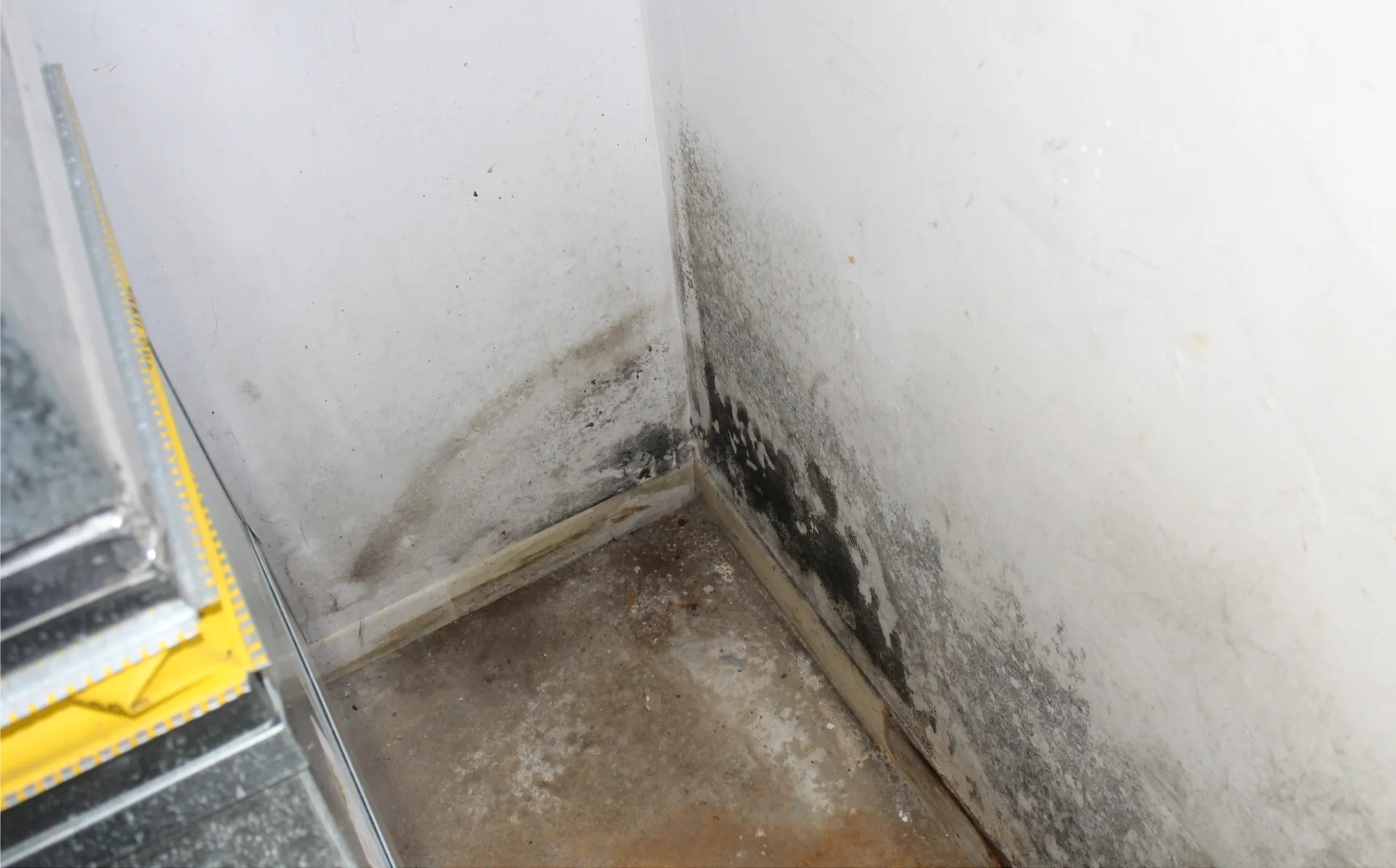
Water is essential for everyday living, but when it enters areas where it doesn’t belong, it has the potential to affect many different parts of a home. Moisture problems rarely begin as major issues. In most cases, they start small and develop gradually over time.
The good news is that many early signs of moisture can be identified during a thorough home inspection before they become larger and more expensive repairs.
After performing home inspections throughout Carleton Place, Ottawa, Kanata, Stittsville, Barrhaven, Nepean, Orleans, Rockland, Kemptville, Arnprior, and Cornwall, I have learned that recognizing these early indicators is one of the most valuable services I provide to home buyers.
My goal isn’t to alarm buyers.
It’s to help them understand the home’s current condition, explain what I observe, and give them the information they need to make a confident decision before closing.
If you’re searching for Home Inspection Carleton Place, Home Inspection Ottawa, Home Inspection Near Me, Home Inspection Cost, Home Inspections Ontario, or Best Home Inspector Ottawa, here’s how I help buyers recognize early signs of moisture problems before purchasing a home.
Why Moisture Is One of My Highest Priorities
Every home is exposed to water.
Throughout the year, homes experience:
- Rainfall
- Snow
- Spring thaw
- Humidity
- Condensation
A properly maintained home is designed to manage moisture effectively.
However, if water enters areas where it shouldn’t, it may eventually affect:
- Foundations
- Framing
- Flooring
- Drywall
- Insulation
- Roofing
- Interior finishes
That’s why moisture evaluation is an important part of every inspection I perform.
Moisture Problems Usually Begin Slowly
Many buyers imagine moisture problems as flooded basements or active roof leaks.
In reality, most issues begin much more gradually.
Early signs may include:
- Small water stains
- Minor discoloration
- Musty odours
- Damp surfaces
- Condensation
- Efflorescence
Recognizing these observations early often allows homeowners to address maintenance before more significant damage develops.
My Inspection Starts Outside the Home
One of the biggest mistakes buyers make is assuming moisture problems only exist inside the house.
In reality, many moisture concerns begin outside.
Before I even enter the home, I evaluate:
- Property grading
- Surface drainage
- Gutters
- Downspouts
- Landscaping
- Roof drainage
Understanding how water moves around the property provides valuable context for everything I observe inside.
Proper Grading Helps Protect the Home
One of the first things I evaluate is the slope of the land around the house.
Ideally, the ground should encourage water to flow away from the foundation.
During my inspection, I look for:
- Low areas
- Standing water
- Soil erosion
- Depressions beside the foundation
- Areas where water may collect
Poor grading doesn’t automatically mean the home has moisture problems, but it may increase the likelihood of future concerns if left unaddressed.
Gutters and Downspouts Matter More Than Many Buyers Realize
Roof drainage is one of the home’s primary defenses against water intrusion.
I inspect visible:
- Gutters
- Downspouts
- Discharge areas
- Signs of overflow
- Drainage patterns
A properly functioning gutter system helps move thousands of litres of rainwater away from the home every year.
When maintenance is neglected, water may begin affecting nearby components.
The Roof Is Always Carefully Evaluated
The roof protects everything beneath it.
During every inspection, I evaluate:
- Roofing materials
- Flashing
- Roof penetrations
- Visible signs of aging
- Gutters
- General roof drainage
Rather than looking only for active leaks, I also look for observations that may suggest moisture has affected the roofing system over time.
The Attic Often Reveals Hidden Moisture
The attic is one of the most valuable areas of the home when evaluating moisture.
Many buyers never enter this space before purchasing.
Inside the attic, I inspect:
- Roof sheathing
- Insulation
- Ventilation
- Moisture indicators
- Signs of previous leaks
The attic often reveals issues long before they become visible inside finished living areas.
The Basement Tells an Important Story
The basement is another area where moisture frequently leaves clues.
During my inspection, I evaluate:
- Foundation walls
- Basement floors
- Utility rooms
- Mechanical spaces
- Finished basement areas
I’m looking for observations such as:
- Water staining
- Dampness
- Efflorescence
- Previous repair work
- Musty odours
Each observation helps build a more complete understanding of how the home has managed moisture throughout its lifetime.
I Carefully Inspect the Foundation
The foundation plays a major role in protecting the home from water.
During my inspection, I evaluate visible portions of the foundation for:
- Moisture staining
- Visible cracks
- Efflorescence
- Surface deterioration
- Previous repairs
Not every observation indicates a serious issue.
My goal is to evaluate the visible condition of the foundation within the context of the entire property.
Bathrooms Require Special Attention
Bathrooms experience daily exposure to water.
During my inspection, I evaluate:
- Plumbing fixtures
- Visible sealant
- Shower and tub areas
- Sinks
- General signs of moisture
Small maintenance items identified early often help prevent larger repairs later.
Kitchens Can Also Reveal Moisture Concerns
Kitchens contain several plumbing fixtures that deserve careful inspection.
I inspect visible:
- Sink plumbing
- Supply lines
- Drain piping
- Cabinet interiors beneath sinks
- Signs of visible leaks
Many plumbing leaks begin slowly and remain unnoticed until routine inspections reveal them.
Windows and Doors Can Show Moisture Entry
Exterior openings deserve careful attention during every inspection.
I evaluate:
- Visible caulking
- Window frames
- Door frames
- Signs of moisture staining
- General condition
Maintaining these areas helps reduce the likelihood of water entering the building envelope.
Crawl Spaces Can Reveal Hidden Conditions
When safely accessible, crawl spaces often provide valuable information about moisture management.
I inspect visible:
- Structural framing
- Insulation
- Plumbing
- Vapour barriers
- Moisture indicators
Because crawl spaces are rarely visited by homeowners, they often reveal conditions buyers would otherwise never see.
I Consider the Entire Moisture Management System
One thing I always explain to buyers is that moisture management involves many systems working together.
These include:
- Roof
- Gutters
- Downspouts
- Grading
- Foundation
- Ventilation
- Plumbing
- Insulation
Rather than evaluating each component individually, I consider how they work together to protect the home.
Every Home Will Have Maintenance Items
One misconception I frequently hear is that any moisture observation means the home has a serious problem.
That simply isn’t true.
Every home requires routine maintenance.
Examples include:
- Replacing worn caulking
- Cleaning gutters
- Improving grading
- Monitoring plumbing connections
- Maintaining roof drainage
The inspection helps buyers understand these responsibilities before moving in.
I Explain My Findings in Plain Language
Moisture discussions can sound technical.
Whenever I identify an observation, I explain:
- What I observed
- Why it matters
- Whether maintenance may be appropriate
- What buyers should monitor in the future
Clear communication helps buyers understand the property instead of feeling overwhelmed by technical terminology.
I Encourage Buyers to Attend the Inspection
Whenever possible, I encourage buyers to attend the inspection.
Walking through the home together allows me to explain:
- Where moisture commonly appears
- What signs I look for
- How routine maintenance protects the home
- What homeowners should monitor after moving in
Many buyers tell me they leave the inspection with a much better understanding of how to care for their new home.
Experience Makes a Difference
After inspecting hundreds of homes throughout Carleton Place and the surrounding Ottawa area, I have developed a strong understanding of how local weather and seasonal conditions affect residential properties.
Experience helps me recognize:
- Early moisture indicators
- Drainage concerns
- Roofing observations
- Foundation conditions
- Plumbing issues
- Ventilation observations
- Preventative maintenance opportunities
Most importantly, it allows me to explain these findings in practical language that buyers can confidently understand before making one of the biggest investments of their lives.
Prevention Is Always Better Than Repair
One of the biggest advantages of a professional home inspection is identifying small maintenance opportunities before they become larger repairs.
Routine maintenance such as:
- Keeping gutters clean
- Monitoring grading
- Maintaining exterior sealant
- Watching for plumbing leaks
- Inspecting the roof regularly
can help homeowners protect their investment for many years.
Understanding these responsibilities before closing allows buyers to plan ahead rather than react to unexpected problems.
Final Thoughts
Moisture is one of the most important factors affecting the long-term condition of any home, but it doesn’t have to become a costly surprise.
A thorough home inspection helps buyers recognize early signs of moisture, understand how the home’s drainage and ventilation systems work together, and identify maintenance opportunities before moving in.
If you’re searching for:
- Home Inspection Carleton Place
- Home Inspection Ottawa
- Home Inspection Near Me
- Home Inspection Ottawa Cost
- Home Inspection Cost
- Best Home Inspector Ottawa
- Home Inspections Ontario
remember that a professional home inspection isn’t simply about identifying today’s condition.
It’s about helping you understand how to protect your home for years to come, recognize early warning signs before they become expensive repairs, and move into your new property with confidence and peace of mind.
Because the best way to deal with moisture problems is to recognize them early—before they ever have the opportunity to grow.