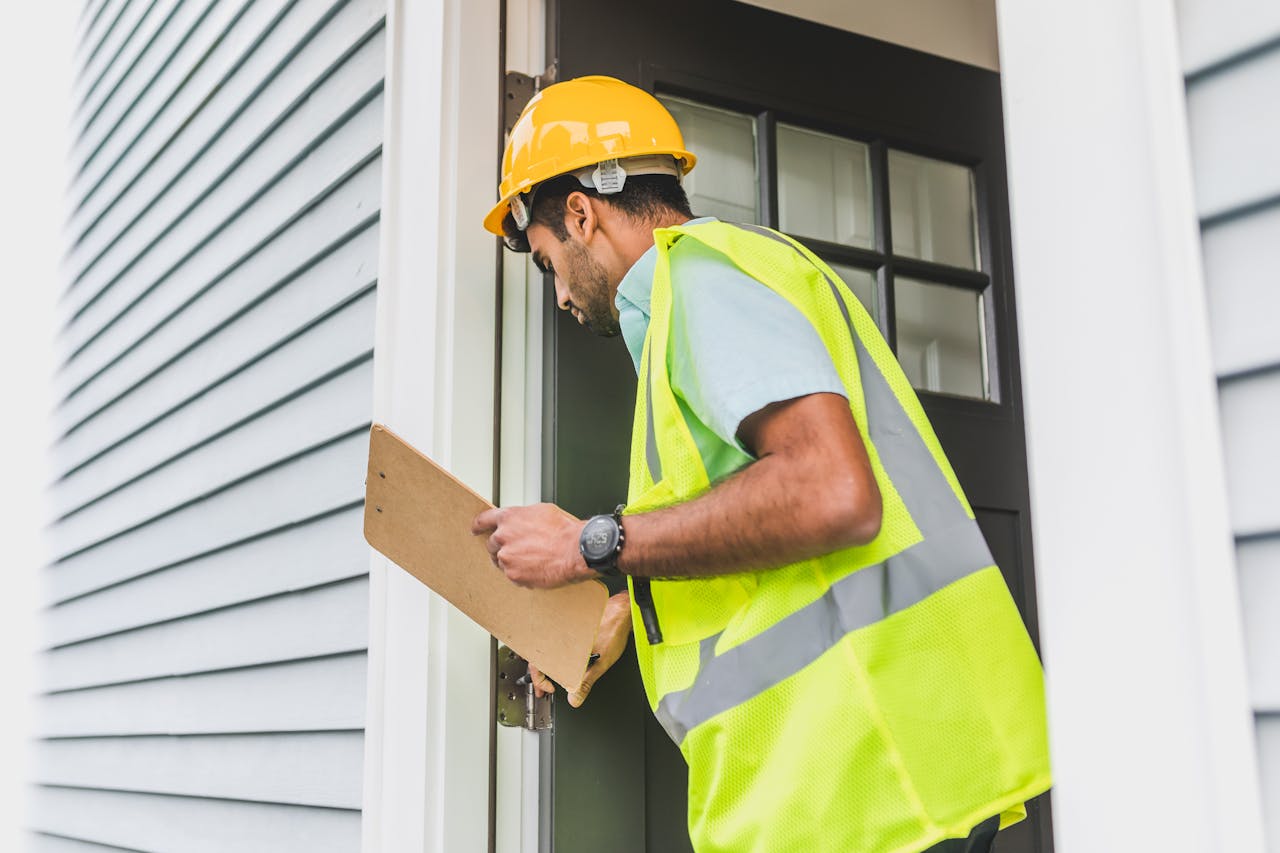


Buying a home is one of the biggest financial decisions most people will ever make. Whether you’re purchasing your first property, upgrading to a larger home, downsizing, or investing in real estate, understanding the true condition of the home is essential before you commit.
Unfortunately, many buyers only see a small part of the picture during a showing.
Fresh paint can hide years of wear. New flooring can cover previous damage. A beautifully staged home can create a strong first impression while concealing issues that may not become obvious until months after closing.
After performing home inspections throughout Ottawa, Kanata, Stittsville, Barrhaven, Nepean, Orleans, Rockland, Kemptville, Arnprior, Carleton Place, and Cornwall, I have learned that helping buyers understand the true condition of a home is about much more than identifying defects.
It is about providing clarity.
It is about helping buyers see beyond appearances and understand how the property is actually performing.
In this blog, I will explain how I help buyers understand the true condition of a home in Ottawa and why that knowledge can make all the difference when making a real estate decision.
What You See During a Showing Is Only Part of the Story
One of the first things I explain to buyers is that showings are designed to showcase a home’s best features.
During a typical walkthrough, buyers focus on:
- Layout
- Finishes
- Kitchen upgrades
- Bathroom renovations
- Flooring
- Paint colors
- Curb appeal
These things are important.
However, they do not necessarily tell you anything about:
- The roof
- The foundation
- The attic
- The electrical system
- The plumbing
- The heating and cooling equipment
- Moisture conditions
A home inspection shifts the focus from appearance to performance.
My job is to evaluate the systems that truly affect the long-term value, safety, and maintenance requirements of the property.
I Look Beyond Cosmetic Improvements
Many homes in Ottawa have undergone updates over the years.
I frequently inspect homes with:
- Newly renovated kitchens
- Updated bathrooms
- Fresh flooring
- Modern fixtures
- Recent paint
While these improvements can increase appeal, they do not always reflect the condition of the home’s major systems.
One of the most important things I do during an inspection is separate cosmetic condition from structural and mechanical condition.
A home may look fantastic while still containing:
- Aging roofing materials
- Electrical concerns
- Ventilation deficiencies
- Plumbing issues
- Moisture problems
Understanding that distinction helps buyers make informed decisions.
I Evaluate the Home as a Complete System
A home is not simply a collection of separate components.
Every system affects the others.
For example:
- Poor attic ventilation can shorten roof lifespan.
- Improper grading can contribute to basement moisture.
- Insulation deficiencies can impact HVAC performance.
- Plumbing leaks can affect structural materials.
Rather than looking at each component in isolation, I evaluate how the home’s systems work together.
This provides a more accurate picture of the property’s overall condition.
I Help Buyers Understand What Matters Most
One of the biggest challenges buyers face is interpreting inspection findings.
Every home will have issues.
Even brand-new homes often contain observations.
The key is understanding which findings matter most.
I help buyers distinguish between:
Routine Maintenance Items
Examples include:
- Minor caulking updates
- Small repairs
- Seasonal maintenance tasks
- Normal wear and tear
Moderate Concerns
Examples include:
- Aging systems
- Deferred maintenance
- Drainage improvements
Significant Issues
Examples include:
- Active moisture intrusion
- Structural movement
- Major safety concerns
- System failures
By organizing findings in context, buyers can focus on what truly impacts their decision.
I Pay Close Attention to Moisture
If there is one issue that consistently causes expensive repairs, it is moisture.
Water can affect:
- Foundations
- Framing
- Insulation
- Flooring
- Drywall
- Indoor air quality
During inspections, I carefully evaluate areas where moisture problems commonly develop.
These include:
- Basements
- Attics
- Roofing systems
- Bathrooms
- Plumbing areas
- Exterior drainage
Many moisture concerns begin long before visible damage appears.
Finding those early warning signs is one of the most valuable parts of the inspection process.
I Look for Clues That Buyers May Never Notice
Years of experience have taught me that homes often reveal subtle clues about their condition.
For example:
- Slight staining may indicate previous water intrusion.
- Uneven floors may suggest settlement patterns.
- Condensation in an attic may indicate ventilation concerns.
- Efflorescence on foundation walls may point to moisture movement.
Most buyers would never notice these details during a showing.
That is why a thorough inspection is so important.
My goal is to identify these clues and explain what they mean.
I Evaluate Major Systems That Can Be Expensive to Replace
One of the biggest concerns for buyers involves unexpected repair costs.
During inspections, I evaluate the condition of major systems such as:
Roofing
I inspect:
- Shingles
- Flashing
- Ventilation
- Drainage systems
Understanding roof condition helps buyers prepare for future maintenance or replacement costs.
HVAC Equipment
I assess:
- Furnace operation
- Air conditioning systems
- Ventilation performance
- Equipment age
Heating and cooling systems are significant investments, and understanding their condition is critical.
Plumbing
I inspect:
- Visible piping
- Fixtures
- Drainage systems
- Water heaters
Plumbing concerns can range from simple repairs to major replacement projects.
Electrical Systems
I evaluate:
- Service panels
- Wiring
- Safety devices
- Visible installation quality
Electrical issues often affect both safety and future upgrade costs.
I Explain Findings in Plain Language
One thing I consistently hear from buyers is that technical language can feel overwhelming.
A good inspection should not leave you confused.
My goal is to explain findings clearly and practically.
Instead of simply identifying a concern, I explain:
- What it is
- Why it matters
- How serious it appears
- What the next steps may be
This helps buyers understand the home rather than simply receiving a list of observations.
I Encourage Buyers to Attend the Inspection
Whenever possible, I encourage buyers to be present during the inspection.
Being there provides several advantages.
Buyers can:
- Ask questions
- See findings firsthand
- Learn about home systems
- Better understand maintenance responsibilities
Many clients tell me they learn more about homeownership during the inspection than they did during months of online research.
The inspection becomes both an evaluation and an educational experience.
I Help Buyers Understand Future Maintenance
One aspect of homeownership that is often overlooked is ongoing maintenance.
Even a home in excellent condition will require future care.
During inspections, I discuss:
- Expected maintenance items
- System lifespans
- Seasonal upkeep
- Areas to monitor over time
This helps buyers prepare for ownership and avoid surprises after moving in.
I Provide a Detailed Inspection Report
After the inspection, buyers receive a detailed report documenting the home’s condition.
The report helps buyers:
- Review findings
- Prioritize repairs
- Plan future maintenance
- Discuss concerns with their real estate professionals
- Make informed decisions
A good inspection report should provide clarity and confidence.
It should help buyers understand the home long after the inspection is complete.
I Focus on Education, Not Fear
One misconception about home inspections is that they are designed to find reasons not to buy a property.
That is not my approach.
My goal is not to scare buyers.
My goal is to educate them.
Most homes have issues.
The important thing is understanding:
- What those issues are
- Whether they are manageable
- What they may cost over time
Knowledge allows buyers to make confident decisions based on facts rather than assumptions.
Why Experience Makes a Difference
After inspecting hundreds of homes throughout Ottawa and surrounding communities, I have developed a strong understanding of common regional issues.
I have seen:
- Typical aging patterns
- Common moisture concerns
- Construction trends
- Renovation pitfalls
- System performance issues
Experience helps me identify patterns that may not be obvious to buyers.
It also allows me to provide practical insight about what findings mean in the real world.
Helping Buyers Make Smarter Real Estate Decisions
At the end of the day, my job is not simply to inspect homes.
My job is to help buyers make smarter real estate decisions.
The more information buyers have about a property’s condition, the more confident they can feel about moving forward.
Whether that means:
- Proceeding with confidence
- Negotiating repairs
- Planning future maintenance
- Reconsidering a purchase
The decision should always be based on a clear understanding of the home.
Final Thoughts
Buying a home in Ottawa is an exciting opportunity, but it is also a significant investment.
Understanding the true condition of the property before closing can help you avoid costly surprises, make informed decisions, and feel confident about your purchase.
If you are searching for:
- Home inspection Ottawa
- Home inspection near me
- Best home inspector near me
- Home inspection cost
- Home inspections Ontario
- Home inspection Ottawa cost
Remember that a home inspection is about much more than finding defects.
It is about understanding the home as a whole.
Because when you truly understand the property you are buying, you can move forward with confidence, knowing exactly what you are investing in and what to expect as a homeowner.