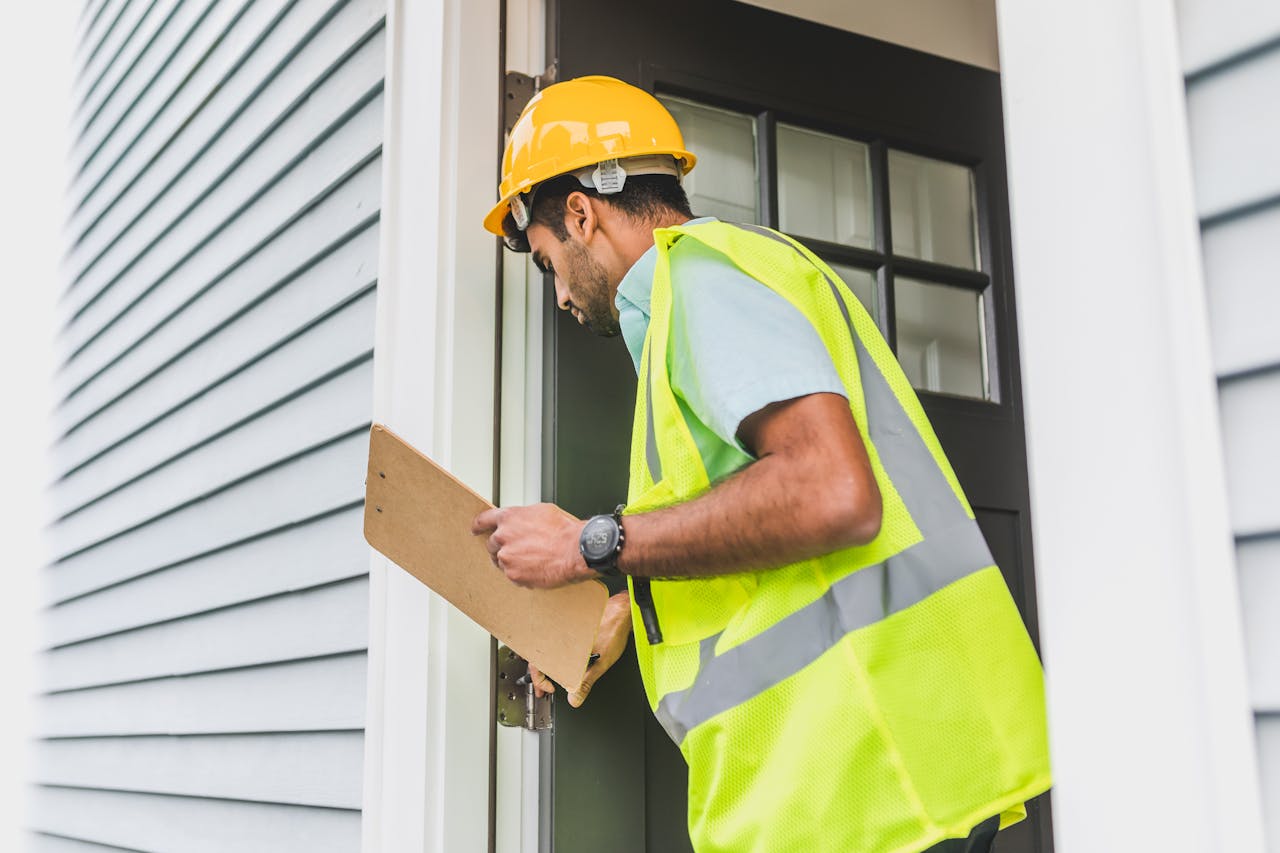

When most people think of a home inspection, they picture a flashlight, a clipboard, and a careful visual walkthrough of the home. What many homeowners don’t realize is that some of the most damaging issues inside a property can’t be seen with the naked eye at all. Water intrusion behind drywall, missing insulation, overheating electrical components, and hidden air leaks rarely reveal themselves during a traditional visual inspection.
That’s where thermal imaging becomes one of the most powerful tools in my entire inspection process.
In this blog, I’m going to take you behind the scenes and show you exactly how I use thermal imaging to detect hidden problems in Ottawa homes — the kind of problems that, left undiscovered, can lead to thousands of dollars in repairs and unexpected headaches for homeowners.
Whether you’re buying your first home, preparing to sell, or trying to understand your property’s true condition, understanding how infrared technology works can completely change how you think about a home inspection.
Why Thermal Imaging Matters in Ottawa Homes
Ottawa is a unique environment when it comes to home performance and structural health. Our winters are harsh, our summers are humid, and our freeze-thaw cycles wreak havoc on building materials. That combination leads to a wide range of hidden problems inside homes — problems that don’t always show visible signs until the damage becomes severe.
Over the years, I’ve used thermal imaging to detect issues such as:
- Moisture trapped behind finished walls
- Missing insulation in attics, walls, and ceilings
- Air leaks causing energy loss
- Overheating electrical wires and breakers
- Hidden roof leaks
- Plumbing leaks behind cabinets or vanities
- Poorly functioning heating systems
- Thermal bridging that leads to mold growth
These are not things you can reliably see during a standard, visual inspection. Thermal imaging allows me to identify temperature variations that point to underlying defects long before they become serious issues.
For homeowners in Ottawa, where heating costs, moisture control, and structural durability are major concerns, having this layer of protection is invaluable.
What Thermal Imaging Actually Is
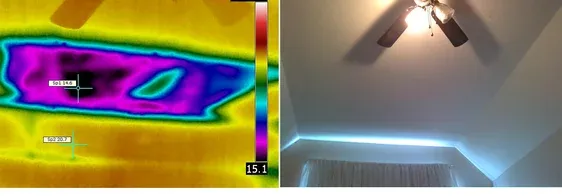
Thermal imaging — also known as infrared scanning — is a technology that detects heat signatures and displays them visually. Every object emits infrared radiation. Variations in temperature appear as different colors on the camera’s display, allowing me to see differences in temperature across surfaces.
A warmer spot might indicate:
- An electrical component overheating
- Water leaking and warming the surface
- A lack of insulation
- Air escaping from a duct
- Heat loss through a window
A colder spot might indicate:
- Moisture intrusion
- Missing insulation
- Air infiltration
- Poor sealing around doors or windows
- Cooling losses
The key is interpreting what those temperature differences mean — and that’s where training, experience, and context matter. Anyone can point a thermal camera at a wall; not everyone knows how to read what they’re seeing.
How I Use Thermal Imaging During an Inspection
I integrate thermal imaging into almost every stage of a home inspection. It’s not an add-on gimmick or an upsell — it’s a crucial part of delivering a complete, accurate assessment of a home’s condition.
Here’s exactly how I use it step by step.
1. Exterior Scanning for Heat Loss
Before I even enter the home, I often scan exterior walls, rooflines, and window frames. Cold spots on warm days or warm spots on cold days can tell me immediately:
- Where insulation is failing
- Where ventilation is insufficient
- Whether heat is escaping through framing
- If windows are sealed properly
- Whether there are hidden moisture issues behind siding
Ottawa homes, especially older ones, often show patterns of heat escaping around window headers or through poorly insulated rim joists — things you would never notice simply by looking at the exterior.
2. Detecting Hidden Moisture Inside Walls
Moisture is the most destructive hidden problem in homes, and it often spreads behind paint, drywall, and baseboards long before anyone notices visible damage.
With thermal imaging, I can detect:
- Slow leaks behind walls
- Water intrusion from roofs
- Basement seepage
- Moisture around plumbing fixtures
- Condensation buildup
- Mold-friendly conditions
For example, I once inspected a home in Orleans that looked perfectly dry at first glance. The basement walls had just been freshly painted before listing. But the thermal camera picked up a large cold area behind the drywall — a strong sign of moisture.
Sure enough, behind the wall was a slow, long-term leak from the exterior foundation that the homeowners didn’t know existed.
Without thermal imaging, that major issue would have gone completely unnoticed.
3. Identifying Missing or Ineffective Insulation
Ottawa’s climate demands good insulation. Unfortunately, many homes — even newer ones — have insulation gaps that cause:
- High heating bills
- Cold rooms
- Condensation
- Drafts
- Mold growth in attics
Thermal imaging reveals:
- Voids in insulation
- Compressed insulation
- Poorly installed batt insulation
- Inconsistent spray foam coverage
- Thermal bridging at studs and headers
- Attic insulation gaps caused by wind washing
In one Stittsville home, the homeowner couldn’t understand why one bedroom was always freezing in winter. A quick thermal scan showed a four-foot-wide section of attic insulation missing above that room — likely forgotten by the builders.
Without thermal imaging, that would have been hidden forever.
4. Catching Dangerous Electrical Hotspots
Electrical issues are one of the most serious problems I find in older Ottawa homes.
Thermal imaging can detect:
- Overloaded circuits
- Overheating breakers
- Failing connections
- Hot wires
- Faulty outlets
- Loose lugs in the panel
A warm electrical hotspot shows up instantly on thermal imaging — often long before the component actually fails or becomes a hazard.
In Kanata, I once scanned an electrical panel that looked perfectly fine visually. But the thermal camera revealed one breaker was significantly hotter than the rest. The connection was loose, and the wire insulation had begun to melt.
That kind of issue could easily lead to fire risk if not identified early.
5. Finding Roof Leaks Before They Become Interior Damage
A roof leak isn’t always visible inside the home immediately. Water can travel along rafters, drip slowly onto insulation, or track down walls before staining the ceiling.
Thermal imaging helps me identify:
- Temperature variations where water is present
- Wet insulation in attic spaces
- Moisture penetration near skylights
- Leaks around vent stacks
- Compromised flashing
During one inspection in Cornwall, a thermal scan of an attic revealed a large moisture-soaked area near the chimney flashing. The homeowners never knew there was a problem — the ceiling below looked perfect. Thermal imaging exposed the leak early enough to prevent structural damage.
6. Inspecting Heating and Cooling Performance
HVAC systems can appear to be functioning, but thermal imaging reveals how well they distribute heat or cool air throughout the home.
I use it to check:
- Radiant floor heating coverage
- Baseboard heater consistency
- Forced-air vent performance
- Heat pump output
- Air leaks in ductwork
It’s surprising how many homes have duct leaks hidden in walls or floors. Thermal imaging shows exactly where the heat is escaping — and exactly where the homeowner is losing money.
7. Evaluating Air Leakage and Drafts
Air infiltration is one of the main reasons Ottawa homeowners experience cold spots, rising energy bills, and poor comfort.
Thermal imaging highlights:
- Air leaks around doors and windows
- Gaps in attic hatches
- Weak seals in sliding doors
- Leaks around electrical outlets
- Poorly sealed HVAC penetrations
- Uninsulated rim joists
These issues are nearly impossible to see visually — but thermal imaging shows them instantly.
What Thermal Imaging Can Reveal That a Visual Inspection Can’t
Homeowners are often shocked by how much thermal imaging uncovers in a single scan.
Here are the most common issues that only appear with infrared technology:
- Moisture hidden behind fresh paint
- Undetectable plumbing leaks
- Rot beginning inside structural framing
- Gaps in spray foam insulation
- Electrical components at risk of overheating
- The early formation of mold behind walls
- Inconsistent heating zones
- Hidden roof leaks
- Missing insulation in newly renovated areas
- Air leaks behind baseboards or around windows
Without thermal imaging, homeowners would move in unaware — until the problem becomes big enough to see, feel, smell, or pay for.
Real Examples: When Thermal Imaging Made All the Difference
Here are just a few of the moments from my career when thermal imaging changed everything for the homeowner.
A House in Barrhaven With an Invisible Basement Leak
The basement looked perfect. No stains, no musty smell, no visible moisture.
Thermal imaging revealed a cold, wet pattern behind the drywall — a leaking foundation crack that had been covered by the homeowner with fresh paint before listing.
Catching it early saved the buyer thousands.
A Home in Kanata With Hidden Electrical Hazards
The electrical panel looked normal. But the thermal camera exposed a breaker that was dangerously hot.
A licensed electrician later confirmed it was close to failing.
A Stittsville Home With a “Cold Room” Problem
A child’s bedroom was always cold. Thermal imaging revealed insulation voids caused by wind washing along the eaves.
A simple fix restored comfort and reduced heating costs.
An Orleans Property With Attic Mold
Thermal imaging discovered warm, moist areas under attic insulation — early signs of mold growth caused by blocked soffit vents.
Without thermal imaging, the mold would have continued to grow unnoticed.
Why Experience Matters When Using Thermal Imaging
Thermal imaging is only as good as the inspector operating the camera.
It takes skill to distinguish:
- Moisture vs. cold air
- Overheating vs. ambient temperature
- Missing insulation vs. thermal bridging
- Normal variations vs. red flags
I’ve spent years learning how to interpret thermal patterns correctly. The camera shows temperature changes — but experience reveals the cause.
Why I Include Thermal Imaging in My Standard Inspections
Some inspectors treat thermal imaging as an upgrade or optional add-on. I don’t.
I include thermal imaging in my standard inspections because:
- Ottawa homes demand it
- It prevents costly surprises
- It reveals hidden issues early
- It helps me protect my clients
- It delivers complete clarity
- It provides a more accurate evaluation of the home
A modern home inspection should never be limited to what the eye can see.
Final Thoughts: Seeing the Unseen Protects Homeowners
A home can look flawless on the surface and still hide expensive problems beneath. Thermal imaging allows me to see issues that would otherwise remain invisible until they reach a crisis point.
My job isn’t to give you a quick checklist — my job is to uncover the truth of the home you’re buying or selling. Thermal imaging is one of the most effective tools I have to deliver that clarity.
When I hand you your inspection report, I want you to feel certain — not hopeful, not worried, not guessing — but certain that you know exactly what’s happening inside your home.
That’s what thermal imaging does.
It brings the hidden into view.
And it ensures you make the right decision with total confidence.