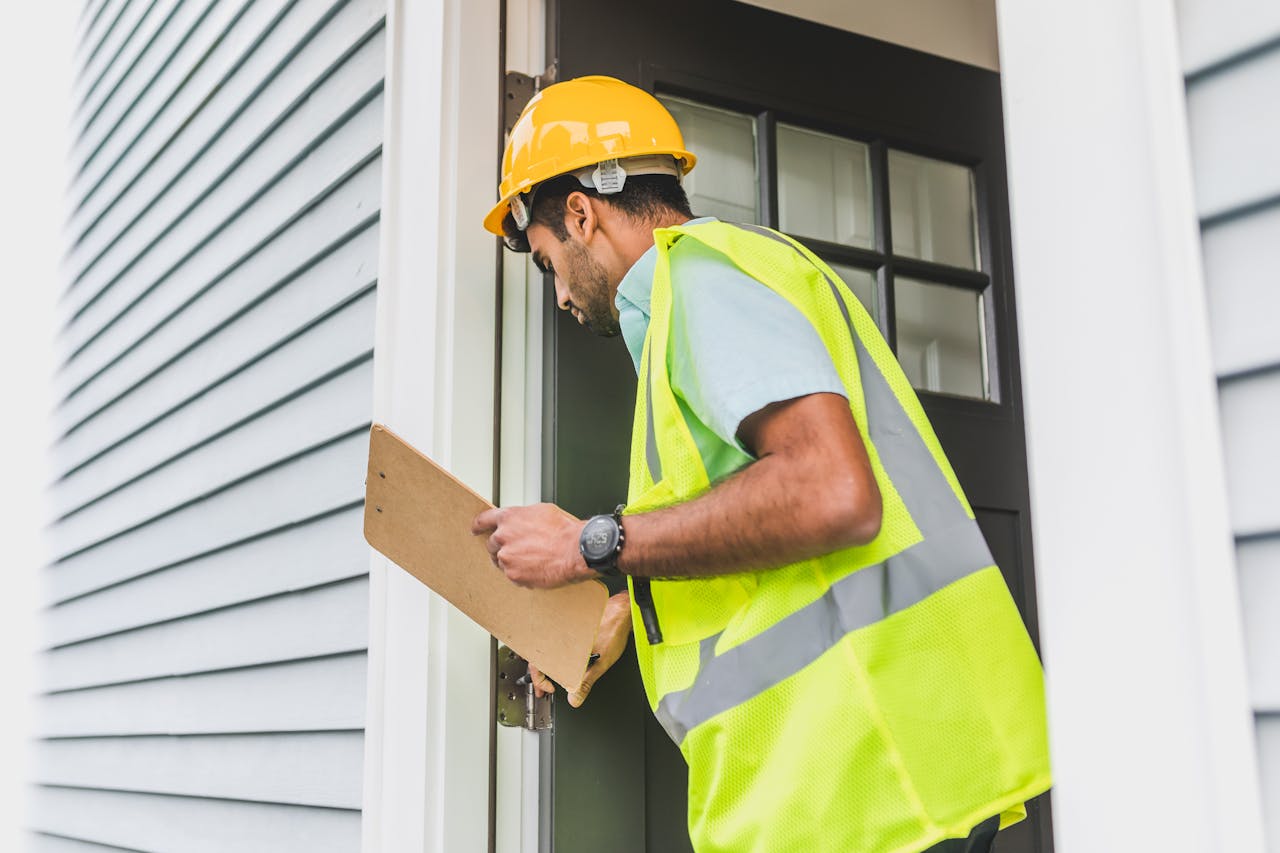


After inspecting homes across Orléans for many years, one thing has become very clear to me: new builds and older homes require completely different inspection mindsets. Buyers often assume that a newer home means fewer problems and that an older home is automatically riskier. In reality, both types of properties come with their own advantages, vulnerabilities, and hidden issues. Understanding these differences is critical when deciding what to focus on during a home inspection in Orléans.
Every home tells a story. The age of that home shapes how it was built, what materials were used, and how it has aged over time. My role as a home inspector is to read that story carefully and explain it in a way that helps buyers make confident decisions.
Why Orléans Is a Unique Market for Home Inspections
Orléans has experienced multiple waves of development. Some neighbourhoods feature homes built decades ago, while others are made up of large subdivisions constructed relatively recently. This mix creates a unique inspection landscape where I might inspect a brand new home one day and a forty year old property the next.
Because of this, I never approach inspections with assumptions. A new home can hide serious issues behind fresh finishes, and an older home can be incredibly solid with years of proven performance. The key is knowing what to look for based on how and when the home was built.
Inspecting New Builds in Orléans: What Most Buyers Miss
Many buyers feel more relaxed when purchasing a newer home. Fresh paint, modern layouts, and updated systems can give a strong sense of security. However, my experience inspecting new builds in Orléans has taught me that newer does not always mean flawless.
Construction Speed and Workmanship
One of the first things I consider with new builds is how quickly the home was constructed. Rapid development can sometimes lead to rushed workmanship. During inspections, I pay close attention to finishing details, alignment issues, and installation quality.
I often find items such as improperly sealed windows, missing insulation in key areas, or ventilation components that are not balanced correctly. These issues may not cause immediate problems, but they can impact energy efficiency, comfort, and moisture control over time.
Roof and Attic Concerns in New Homes
In newer Orléans homes, the roof often appears perfect from the ground. However, the attic tells a more complete story. I inspect insulation depth, ventilation flow, and any signs of trapped moisture.
In some new builds, attic ventilation is insufficient for the home’s size and layout. This can lead to condensation, mold growth, and premature roof aging. These are not issues most buyers expect in a new home, which is why a thorough inspection matters.
Electrical Systems in New Builds
New homes typically have modern electrical panels and wiring, but that does not mean the system is free of concerns. I regularly see overloaded circuits, improper breaker labeling, or outlets that are not wired correctly.
As homes become more dependent on electronics, electric vehicles, and home offices, electrical capacity matters more than ever. I assess whether the system is designed to handle modern usage, not just whether it technically works.
Plumbing in New Construction
Plumbing systems in new homes are usually clean and well laid out, but installation quality still matters. I check for proper support, slope in drain lines, water pressure consistency, and correct venting.
Small plumbing issues can grow into major repairs if they go unnoticed. A new home inspection is about catching those early before they turn into long term headaches.
Inspecting Older Homes in Orléans: Experience Matters Here
Older homes in Orléans bring a completely different inspection experience. These homes have stood the test of time, which provides valuable insight into how they perform under real conditions. However, age also introduces risks that must be evaluated carefully.
Foundation and Structural Behavior Over Time
When inspecting older homes, I focus heavily on how the structure has aged. Foundation cracks, floor leveling, and wall alignment tell me how the home has responded to soil movement and seasonal changes.
In Orléans, soil conditions can influence foundation performance over decades. I evaluate whether cracks are stable, previously repaired, or showing signs of progression. This context is critical for buyers trying to understand future risk.
Roofing Systems and Past Repairs
Older homes often have roofing systems that have been repaired or replaced at least once. I inspect not only the current roof covering but also signs of past leaks, flashing repairs, and ventilation upgrades.
Sometimes, older homes have better attic ventilation than newer ones due to renovations completed over time. Other times, outdated insulation or poor airflow remains an issue. Each home tells a different story.
Electrical Systems in Older Homes
Electrical systems in older Orléans homes require careful evaluation. Materials and standards have changed significantly over the years. I inspect panels, wiring types, grounding, and outlet placement with safety as the top priority.
Even if an electrical system is functioning, it may not meet modern expectations for load capacity. Buyers often underestimate the cost of electrical upgrades, which is why identifying limitations early is so important.
Plumbing Materials and Wear
Older plumbing systems can include materials that are no longer commonly used. Some materials are more prone to corrosion or failure as they age. I inspect visible supply and drain lines, fixtures, and water heaters while looking for signs of leaks or pressure issues.
Older homes often show evidence of past plumbing repairs. These repairs can be reassuring when done properly or concerning if they appear inconsistent or incomplete. Context matters.
Basements: A Key Difference Between New and Old Homes
Basements provide some of the clearest contrasts between new builds and older homes in Orléans.
In newer homes, basements are often unfinished and clean, making inspection straightforward. I look for proper drainage, foundation condition, and moisture control systems. Even in new homes, improper grading or drainage can lead to future issues.
In older homes, basements often show signs of history. Efflorescence, staining, or patched cracks reveal how water has interacted with the foundation over time. Finished basements receive extra attention because finishes can hide problems until damage becomes severe.
Energy Efficiency Expectations vs Reality
Buyers often expect new homes to be energy efficient and older homes to be drafty. In practice, efficiency depends more on design and maintenance than age alone.
New homes may have modern windows and insulation but suffer from poor air sealing or ventilation design. Older homes may have been upgraded over time with improved insulation, windows, and mechanical systems.
During inspections, I evaluate windows, doors, insulation, and visible air leakage points in both new and old homes. Comfort, condensation, and uneven temperatures all provide clues about energy performance.
Heating and Cooling Systems: Different Risks, Same Importance
In newer homes, HVAC systems are usually modern but may still be undersized or improperly balanced. I inspect installation quality, airflow distribution, and visible condition.
In older homes, systems may be nearing the end of their lifespan. I assess age, maintenance signs, and overall performance. In both cases, understanding expected replacement timelines helps buyers budget responsibly.
Interior Finishes and Workmanship
New builds often have clean, modern finishes that look impressive. However, I inspect alignment, material transitions, and installation quality closely. Cosmetic perfection does not always equal functional quality.
Older homes may show wear and tear, but that wear often reflects years of normal use rather than poor construction. I help buyers distinguish between cosmetic aging and functional concerns.
How I Communicate Differences to Buyers
One of the most important parts of my job is explaining how new and older homes differ and what those differences mean for ownership. A long list of findings without context does not help anyone.
I explain which issues are common for the home’s age, which items are maintenance related, and which concerns may require further evaluation. This clarity helps buyers avoid overreacting to minor issues or overlooking significant ones.
Which Is Better: New or Old?
There is no universal answer. New homes offer modern layouts and systems but can hide workmanship issues. Older homes offer proven durability but may require updates.
What matters most is understanding the home you are buying. A professional home inspection in Orléans bridges the gap between appearance and reality.
Final Thoughts
My experience inspecting new builds versus older homes in Orléans has reinforced one core truth: no home is perfect, and no home should be judged by age alone. Each property has strengths and weaknesses shaped by its construction era, materials, and maintenance history.
A thorough home inspection is about adapting the inspection to the home in front of you. By approaching new and older homes differently, I help buyers gain clarity, confidence, and peace of mind before making one of the biggest investments of their lives.
Whether you are considering a brand new build or a well established home in Orléans, understanding these differences can make all the difference in how prepared you feel moving forward.