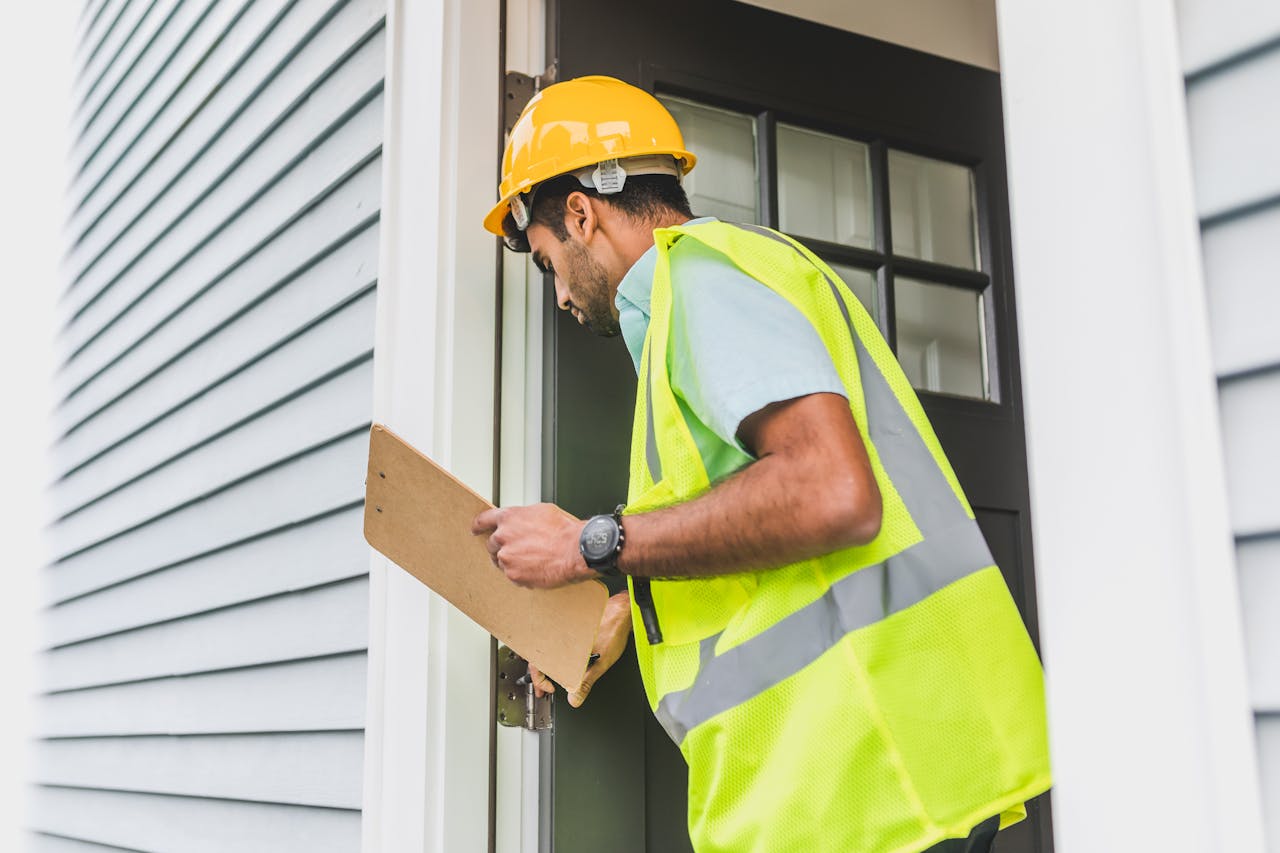


Buying a home is exciting, but it can also feel like a lot is happening all at once. Between financing, paperwork, negotiations, and timelines, it is easy for buyers to feel pressure to move quickly. That is exactly why I believe the home inspection process should bring clarity, not confusion. When I inspect homes in Nepean and Barrhaven, my goal is to make sure buyers understand what they are purchasing, what condition the property is in, and what issues may need attention now or later.
Over the years, I have found that many buyers search for phrases like home inspection Ottawa, home inspection near me, best home inspector near me, home inspection cost, and home inspection Ottawa cost because they want straight answers before making a major decision. They do not just want a report. They want confidence. They want to know what happens during the inspection, what I am looking for, and how the process actually protects them. That is why I always believe in being transparent about every step.
Homes in Nepean and Barrhaven can vary widely in age, condition, construction style, and maintenance history. Some are newer and may look flawless on the surface, while others are older and carry the normal wear that comes with time. In both cases, issues can exist where buyers least expect them. A newer home can still have installation defects, incomplete finishes, or ventilation problems. An older home can have aging systems, hidden moisture concerns, or gradual structural movement that only becomes obvious when inspected carefully. That is why my process is designed to be systematic, detailed, and easy for clients to follow.
In this guide, I am going to walk through my step by step home inspection process for homes in Nepean and Barrhaven, explain what happens at each stage, and show why every part of the inspection matters when you are making one of the biggest purchases of your life.
Why a Step by Step Home Inspection Process Matters
A home inspection should never feel rushed or random. It should follow a logical structure so nothing important gets overlooked. When I inspect a property, I do not just walk through and make quick notes. I follow a consistent process from the outside in, from top to bottom, and from major systems to finer details.
This matters because every part of a home affects another part. Drainage can influence the foundation. Roofing issues can lead to attic moisture. Poor ventilation can affect insulation performance and indoor air quality. Electrical concerns can create safety risks that go far beyond a single outlet or panel. Looking at the house as a complete system helps me give buyers a much more accurate picture of what is really going on.
For buyers in Nepean and Barrhaven, this is especially important because the housing stock often includes a mix of established neighbourhoods, renovated homes, townhouses, detached family homes, and more recently built properties. Each comes with its own patterns, strengths, and risks. A detailed process helps make sure the inspection fits the home, rather than forcing the home into a generic checklist.
Step 1: I Start With the Exterior Overview
My inspection process begins before I even step inside. The exterior tells me a lot about how the home has been performing over time and whether there are visible signs of stress, moisture movement, settling, or deferred maintenance.
I begin by looking at the site conditions around the house. That includes grading, drainage patterns, walkways, driveways, retaining areas, and how water moves away from the foundation. In Ottawa area homes, including Nepean and Barrhaven, drainage is one of the most important things I pay attention to because poor water management can quietly create foundation issues, basement moisture, and long-term structural damage.
I also examine siding, brickwork, trim, soffits, fascia, and exterior penetrations. I look for signs of cracking, gaps, deterioration, staining, and any repair work that may suggest previous issues. Even small exterior details can reveal a bigger story about the property’s condition and maintenance history.
This first stage sets the tone for the rest of the inspection because it helps me identify where I may need to take a closer look later inside the home.
Step 2: I Inspect the Roof and Roof Components
The roof is one of the most critical parts of any property because it protects everything beneath it. When buyers search for home inspection Ottawa cost, they are often thinking about the price of the inspection itself, but what matters even more is the value of catching major roofing issues before closing.
During this part of the inspection, I assess visible roof materials, flashing, venting, penetrations, gutters, and downspouts. I look for wear patterns, missing or damaged materials, aging, drainage concerns, and evidence that water may not be leaving the roof properly.
In Nepean and Barrhaven, seasonal weather changes can be hard on roofing systems. Freeze thaw cycles, snow loads, wind exposure, and long-term sun exposure all play a role in how roofs age. Even when a roof looks acceptable from the ground, closer inspection can reveal signs of deterioration or installation issues that buyers need to know about.
I also pay attention to whether downspouts are directing water far enough from the home. This is often overlooked, but it can make a major difference in foundation performance and basement dryness over time.
Step 3: I Examine the Foundation and Structure
Once I have a strong sense of the exterior and roof condition, I focus on the foundation and visible structural elements. This is one of the most important parts of the entire inspection because structural issues can be expensive, stressful, and easy for buyers to miss during a casual walkthrough.
I look for cracks, movement, moisture staining, patching, bowing, settlement indicators, and any visible conditions that suggest the home has shifted or been affected by water. Not every crack means a serious problem, but every crack tells a story, and my job is to assess what that story may mean in the context of the home as a whole.
In homes across Nepean and Barrhaven, foundation conditions can vary based on age, construction methods, grading, and long-term maintenance. Some issues are minor and manageable. Others suggest a need for further evaluation or future budgeting. The inspection helps buyers understand the difference.
I also assess visible framing, support posts, joists, beams, and other accessible structural components where possible. My goal is to identify anything unusual, unsafe, or inconsistent with normal performance.
Step 4: I Move Into the Basement and Crawlspace Areas
If the home has a basement, this is usually one of the first interior spaces I inspect in detail. Basements often reveal moisture patterns, structural clues, insulation issues, plumbing conditions, and other important information that affects the entire home.
I check walls, floors, exposed framing, visible insulation, sump systems if present, and signs of previous or ongoing water entry. I look for staining, mould-like growth, musty odours, patchwork repairs, and humidity-related conditions that may signal ongoing moisture concerns.
For many buyers, especially first-time buyers searching terms like home inspection near me or best home inspection near me, basement conditions can be hard to interpret. A finished basement may look clean and complete, but that does not always mean the underlying conditions are ideal. That is why I pay close attention to clues that suggest what may be happening behind finishes or beneath the surface.
This part of the process is often where hidden problems begin to reveal themselves.
Step 5: I Inspect Plumbing Components and Water-Related Systems
After checking the structure and lower levels, I move into the plumbing system. Plumbing issues are not always dramatic, but they can become expensive fast if overlooked. Small leaks, poor drainage, aging materials, or pressure concerns can all lead to future repairs, interior damage, and frustration for buyers after moving in.
I inspect visible supply lines, drain lines, fixtures, sinks, tubs, showers, toilets, water shutoffs, and the water heater. I test fixture operation where appropriate and look for leaks, corrosion, active drips, weak flow, and signs of older materials that may be nearing the end of their service life.
In some homes in Nepean and Barrhaven, plumbing updates may have been done over time, so I pay close attention to consistency and workmanship. Mixed materials, amateur repairs, or aging components can all influence what buyers should expect in the future.
I also assess how well the plumbing system appears to perform during normal use. The goal is not just to see whether water comes out of the tap. It is to understand whether the system shows signs of proper maintenance, wear, or concern.
Step 6: I Check the Electrical System for Safety and Function
Electrical inspection is one of the most important parts of my process because safety is always a priority. Buyers often focus heavily on finishes like kitchens, flooring, and paint, but electrical conditions matter far more when it comes to long-term safety and reliability.
I inspect the accessible electrical panel, visible wiring, outlets, switches, light fixtures, and safety devices where possible. I look for panel concerns, improper wiring practices, missing covers, polarity issues, grounding concerns, and other visible signs that may indicate safety risks or outdated components.
In some cases, the home may have had upgrades over the years. In others, it may still have older elements that deserve closer attention. My role is to identify what is visible, explain what it may mean, and highlight when further evaluation by a licensed specialist may be appropriate.
For buyers in Ottawa area communities like Nepean and Barrhaven, this step can be especially valuable because it helps prevent surprises related to system safety, future insurance questions, or the need for unexpected upgrades after possession.
Step 7: I Evaluate the Heating and Cooling Systems
Comfort matters, but so does performance. Heating and cooling systems are a major part of how a home functions day to day, and they are also some of the more expensive systems to replace when problems arise.
During this step, I inspect the furnace, air conditioning components where seasonally appropriate, visible ductwork, filters, venting, and basic system operation. I look for signs of age, wear, poor maintenance, and anything that may affect safety or normal performance.
In Ottawa and surrounding areas, including Nepean and Barrhaven, heating systems carry a heavy workload through the colder months. That means buyers need a realistic understanding of whether the system appears well maintained and whether it may be approaching the point where future budgeting becomes necessary.
I also look at ventilation and airflow indicators because performance is about more than just whether the furnace turns on. A home can have uneven comfort, poor airflow, or venting issues that deserve attention even if the system is technically operating.
Step 8: I Review Insulation, Ventilation, and Attic Conditions
Attics often tell an important story about a home. This part of the inspection helps me evaluate energy performance, moisture management, and whether the home has been ventilating properly over time.
I inspect accessible attic areas for insulation levels, ventilation setup, staining, visible moisture-related concerns, and any signs that air movement or heat loss may be affecting the home. In colder Ontario climates, attic issues can quietly lead to roof deterioration, mould growth, higher energy costs, and inconsistent indoor comfort.
This is especially important in homes where owners have upgraded certain areas but may not have addressed insulation or ventilation properly. A house can appear beautifully updated on the main floors while still having attic conditions that deserve attention.
When buyers search home inspections Ontario or home inspection Ottawa, this is one of the areas where a thorough inspection can offer real value because these are not always problems a buyer would ever think to check on their own.
Step 9: I Inspect Interior Rooms, Doors, Windows, and Finishes
Once the major systems are covered, I move through the interior living spaces carefully and consistently. This includes walls, ceilings, floors, windows, doors, stairs, railings, and general finish conditions.
I am not just looking for cosmetic flaws. I am looking for signs that finishes may reveal underlying concerns. For example, stains may suggest prior leaks. Uneven floors may indicate structural movement. Window operation may reflect settling, moisture exposure, or wear. Cracks in drywall may be minor shrinkage, or they may relate to broader movement patterns depending on location and severity.
Buyers often notice the home’s appearance first, but my job is to interpret what those visual details might mean. Every room gives clues, and when combined with the rest of the inspection, those clues help form a more complete picture of the home’s overall condition.
Step 10: I Test Accessible Built-In Components and Safety Features
As I continue through the home, I also test a range of accessible built-in elements and safety items. This can include garage doors, handrails, stairs, ventilation fans, smoke and carbon monoxide alarms where observable, and other installed features that contribute to normal function and safety.
This step matters because homeownership is not only about major systems. It is also about how the home operates as a lived-in space. A detailed inspection should help buyers understand both the bigger issues and the smaller items that affect usability, safety, and maintenance.
Many people searching for home inspection price or home inspection cost are surprised when they realize how much is involved in a proper inspection. That is exactly why the process must be thorough. A home is made up of hundreds of components, and even seemingly minor items can affect how comfortable and safe the property feels once you move in.
Step 11: I Document Findings Carefully Throughout the Inspection
I do not wait until the end to start thinking about the report. I document findings throughout the inspection process so that every important observation is recorded clearly and accurately.
This includes written notes, photos, condition summaries, and issue descriptions that help explain not just what I found, but why it matters. Documentation is one of the most valuable parts of the inspection because it turns the walkthrough into something actionable.
A good report should not leave buyers confused. It should help them understand condition, priority, and next steps. That is why I focus on clarity and detail rather than vague language or overly technical wording that leaves people with more questions than answers.
Step 12: I Explain the Big Picture to the Client
Once the physical inspection is complete, I focus on helping the client understand the bigger picture. This is one of the most important parts of my process because information is only useful if it is clearly explained.
I walk clients through the key findings, major concerns, maintenance items, and general condition of the property. I help separate urgent issues from routine upkeep and explain where future planning may be needed. Not every issue is a deal breaker. Many homes have manageable defects or age-related wear. What matters is understanding them before buying.
For buyers in Nepean and Barrhaven, this conversation often brings the most relief because it turns a long list of observations into practical guidance. The goal is not to create fear. The goal is to create confidence through honest, detailed information.
Step 13: I Deliver a Detailed Report That Supports Smarter Decisions
After the inspection, I provide a detailed report that clients can use for review, negotiation, budgeting, and long-term planning. This report is not just paperwork. It is one of the most valuable tools in the home buying process.
A strong report helps buyers understand what should be addressed immediately, what should be monitored over time, and what to expect as part of normal ownership. It can also support conversations with agents, lawyers, contractors, or specialists if further evaluation is needed.
In many cases, buyers use the report to negotiate repairs or price adjustments. In other cases, it simply gives them peace of mind and a clear maintenance roadmap. Either way, the report turns the inspection into something practical and lasting.
Why This Process Helps Buyers in Nepean and Barrhaven
Nepean and Barrhaven continue to attract buyers looking for family-friendly communities, access to amenities, and a strong mix of housing options. But no matter how attractive the neighbourhood is, the property itself still needs to be understood on its own merits.
That is why my inspection process stays detailed, structured, and consistent. Whether the home is newer, older, renovated, or somewhere in between, the same principle applies: buyers deserve clear information before making a major investment.
A thorough home inspection can reveal what casual showings never will. It can protect buyers from unexpected costs, highlight maintenance priorities, and create leverage during negotiations. Most importantly, it can help turn uncertainty into informed decision-making.
Final Thoughts
When people search for home inspection Ottawa, home inspection near me, home inspection Ottawa cost, or best home inspector Ottawa, what they are really looking for is peace of mind. They want to know that someone will take the time to inspect the home properly, explain the findings honestly, and help them move forward with confidence.
That is exactly why I follow a step by step home inspection process for homes in Nepean and Barrhaven. I believe every buyer deserves a complete understanding of the home they are about to purchase. I believe details matter. I believe rushing helps no one. And I believe the right inspection can make one of life’s biggest decisions feel far more manageable.
A home may look perfect during a showing, but it is the inspection that reveals how it is really performing. That is why I always recommend taking this step seriously, asking questions, and working with someone who values clarity, detail, and thoroughness from beginning to end.