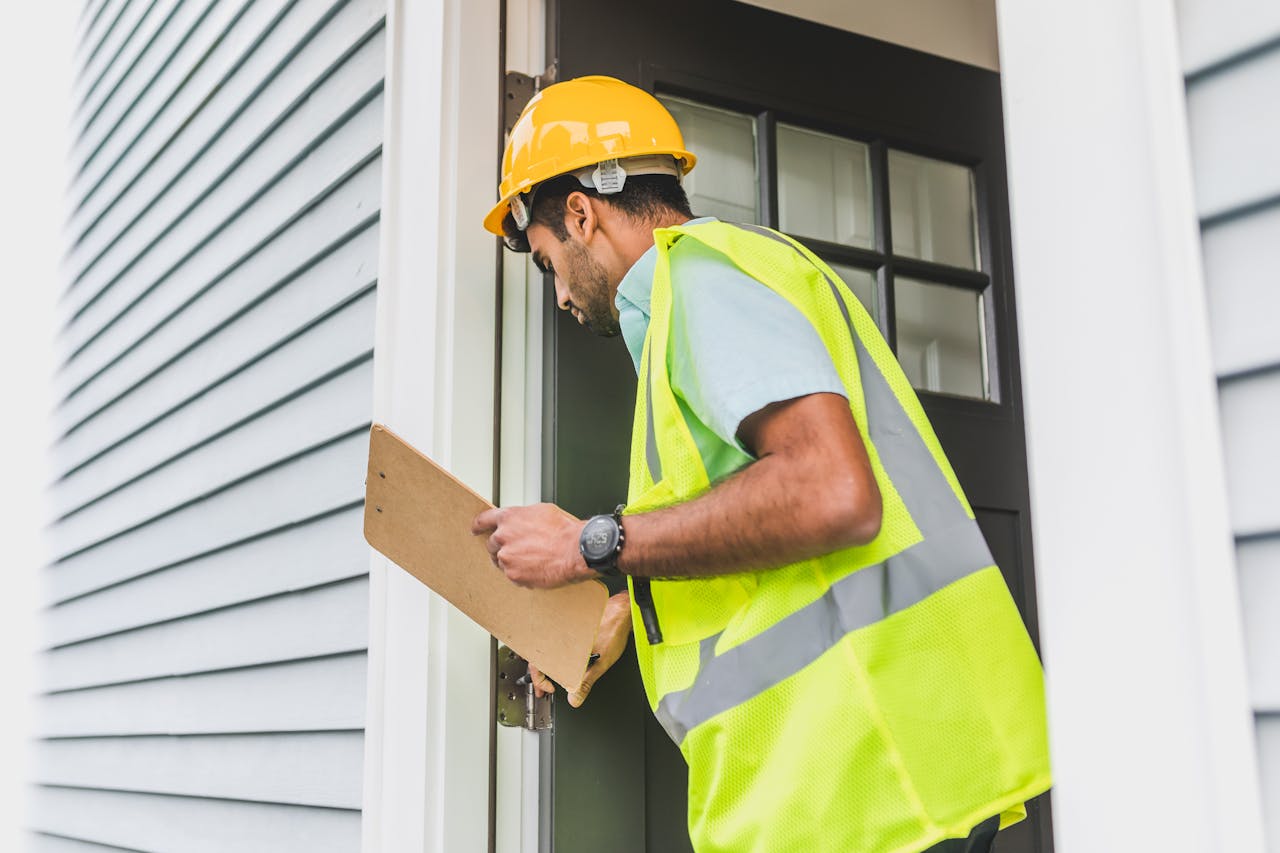


After inspecting hundreds of homes across Ottawa, Kanata, Barrhaven, Orleans, Nepean, and surrounding areas, one thing has become very clear:
The biggest problems are often the ones buyers don’t notice.
During a showing, it’s easy to focus on layout, finishes, and overall feel. But a home inspection is where the real story comes out. It’s where I look beyond the surface and identify the red flags that could cost you thousands after you move in.
When people search home inspection Ottawa, home inspection near me, or best home inspector near me, what they really want to know is this: what should I be worried about?
In this blog, I’m going to walk you through the biggest red flags I look for during a home inspection, why they matter, and how they can impact your decision.
Foundation Cracks That Tell a Bigger Story
Not all cracks are a problem, but some are clear warning signs.
The red flags I pay close attention to include:
- Horizontal cracks in foundation walls
- Stair-step cracks in brickwork
- Large or widening vertical cracks
- Signs of patching that suggest recurring issues
These can indicate structural movement, pressure from soil, or long-term stress on the foundation.
In Ottawa’s climate, with freeze-thaw cycles and shifting soil conditions, these issues can develop over time. Identifying whether a crack is cosmetic or structural is one of the most important parts of the inspection.
Signs of Water Intrusion and Moisture
Water is one of the most damaging elements for any home.
Some of the biggest red flags I look for include:
- Water stains on ceilings or walls
- Musty odours in basements
- Efflorescence on foundation walls
- Visible mould-like growth
- Damp or humid conditions
Even if the issue looks minor, moisture can lead to:
- Structural damage
- Mold growth
- Air quality concerns
- Expensive repairs
Many of these signs are subtle and easy to miss during a showing, which is why they are a major focus during inspections.
Roofing Problems That Could Lead to Leaks
The roof protects everything inside the home, so any issue here is taken seriously.
Red flags include:
- Missing or damaged shingles
- Sagging areas
- Poor flashing around vents or chimneys
- Signs of previous patchwork repairs
- Gutters not directing water properly
A roof may not be actively leaking during an inspection, but early signs of wear can indicate that replacement or repairs are coming soon.
This is one of the areas where buyers can face major unexpected costs if problems are missed.
Electrical Safety Concerns
Electrical issues are not just inconvenient. They can be dangerous.
Some of the biggest red flags I look for include:
- Outdated or overloaded electrical panels
- Improper wiring connections
- Missing grounding
- Exposed wiring
- Lack of safety devices in key areas
In some homes, especially older ones or those with partial upgrades, I see mixed systems that were not integrated properly.
These issues may not be obvious to buyers, but they can create safety risks and may require upgrades after purchase.
Plumbing Issues That Could Get Worse
Plumbing problems often start small but can become expensive quickly.
Red flags include:
- Active leaks under sinks or around fixtures
- Corrosion on pipes
- Low water pressure
- Slow drainage
- Signs of past water damage
I also pay attention to the type of plumbing materials used, especially in older homes, as some materials may be nearing the end of their lifespan.
A small leak today can turn into significant water damage if not addressed.
Poor Drainage Around the Home
Drainage is one of the most overlooked issues during showings, but it’s one of the biggest red flags during inspections.
I look for:
- Water pooling near the foundation
- Improper grading
- Downspouts discharging too close to the home
- Soil sloping toward the house instead of away
Poor drainage can lead to:
- Basement leaks
- Foundation damage
- Long-term structural issues
In areas like Barrhaven, Nepean, and Orleans, where soil and weather conditions vary, this is something I always pay close attention to.
Attic Ventilation and Insulation Problems
Attics are one of the most revealing areas in a home.
Red flags include:
- Inadequate insulation
- Poor ventilation
- Signs of moisture buildup
- Staining or mold-like growth on wood surfaces
These issues can lead to:
- Higher energy costs
- Roof deterioration
- Moisture damage over time
Buyers rarely see these areas during showings, but they can have a big impact on the home’s performance.
HVAC Systems Nearing End of Life
Heating and cooling systems are essential, especially in Ottawa’s climate.
Red flags include:
- Older furnaces showing signs of wear
- Poor maintenance
- Inconsistent heating or cooling
- No clear service history
Even if the system is still working, age and condition can indicate that replacement may be needed soon.
This is important for budgeting and planning after purchase.
Signs of Poor Workmanship in Renovations
Renovated homes can look great, but they can also hide problems.
Some red flags I look for include:
- Uneven finishes or rushed work
- Misaligned fixtures
- Inconsistent materials
- Evidence of quick fixes rather than proper repairs
In some cases, cosmetic upgrades are used to cover underlying issues.
That’s why I always look beyond the surface and focus on how the work was actually done.
Structural Irregularities Inside the Home
Inside the home, certain signs can point to deeper issues.
These include:
- Sloping or uneven floors
- Doors and windows that don’t close properly
- Cracks in walls or ceilings
- Gaps around frames or trim
These may indicate movement, settling, or structural stress.
Not all of these are major concerns, but they always deserve attention and proper evaluation.
Why These Red Flags Matter
Every red flag I’ve mentioned comes down to one thing: understanding risk.
A home inspection is not about finding problems for the sake of it. It’s about identifying what could affect:
- Safety
- Cost
- Long-term durability
Some issues are manageable. Others may require immediate attention or further evaluation.
The key is knowing the difference before you commit.
What I Tell Buyers When We Find Red Flags
When I identify a red flag, my goal is not to create panic.
It’s to provide clarity.
I help buyers understand:
- What the issue is
- How serious it is
- What it might cost to address
- Whether it should affect their decision
Not every red flag is a deal breaker. But every red flag is important information.
The Difference Between a Concern and a Deal Breaker
One of the biggest things I help buyers understand is the difference between:
A concern
and
a deal breaker
A concern might be:
- Minor wear and tear
- Small maintenance issues
- Expected aging components
A deal breaker might be:
- Major structural problems
- Significant water damage
- Safety risks
Knowing this difference helps buyers stay calm and make rational decisions.
Final Thoughts
After hundreds of home inspections, I can tell you this:
The biggest red flags are not always obvious.
They are often hidden in:
- Small details
- Subtle patterns
- Areas buyers don’t think to check
If you are searching for:
- Home inspection Ottawa
- Home inspection near me
- Best home inspector near me
- Home inspection cost
The most important thing is not just getting an inspection.
It’s getting a thorough inspection that identifies these red flags clearly.
Because at the end of the day, buying a home is not just about what looks good.
It’s about what’s actually there.
And the more you know before you buy, the more confident you will feel after you move in.