

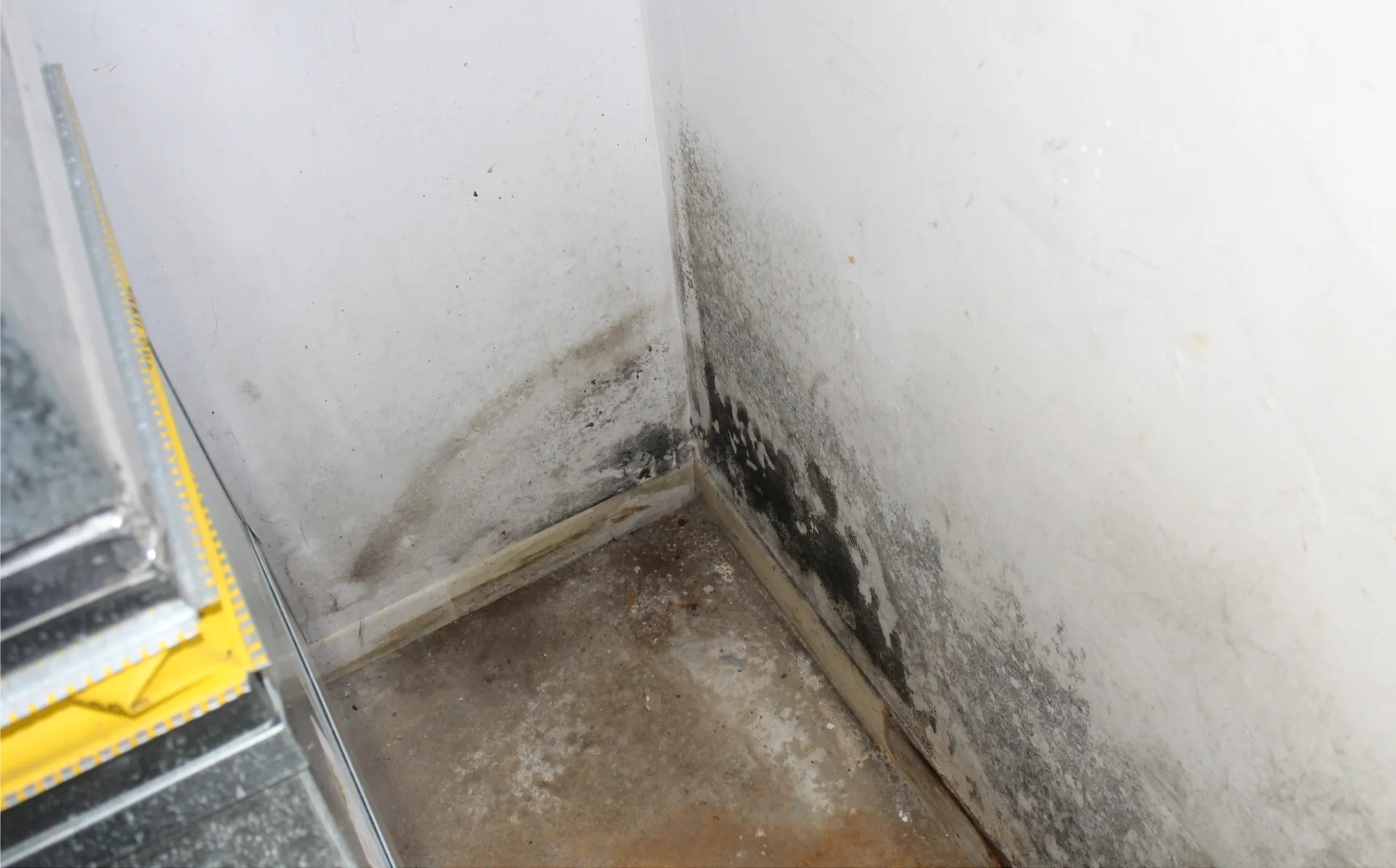
After years of inspecting homes across Eastern Ontario, Cornwall has become one of the most fascinating places I work. It’s a community full of history, where older character homes meet newer developments along the St. Lawrence. That mix gives every inspection its own unique challenges. Whether I’m walking through a 1920s brick home downtown or a recently built property on the edge of town, I see recurring patterns — problems that show up again and again, often invisible to the untrained eye.
This post breaks down the most common home inspection issues I encounter in Cornwall, why they matter, and how I help homeowners address them before they turn into expensive surprises.
1. Foundation Cracks and Moisture Intrusion
Cornwall sits in an area with heavy clay soil and a high water table — two conditions that can wreak havoc on foundations. I often find horizontal cracks, step cracks along basement walls, or patched areas that show signs of previous leaks.
Moisture intrusion is one of the biggest problems I uncover. Poor grading, disconnected downspouts, or older weeping tile systems can push water against the foundation year after year. Over time, this leads to seepage, efflorescence, and eventually structural weakening.
When I inspect a home, I don’t just note the cracks; I look at how the property handles drainage as a whole. A properly sloped yard and functioning eavestrough system can make a huge difference in preventing further damage.
2. Aging Electrical Systems
Many of Cornwall’s older homes still have outdated electrical wiring — often a mix of knob-and-tube, aluminum, or ungrounded two-prong outlets. I frequently find undersized panels or circuits that have been overloaded by modern appliances.
These systems can still function safely with the right upgrades, but they pose serious risks if left unaddressed. Overheated wires, flickering lights, or buzzing outlets are all warning signs. During an inspection, I check for grounded connections, evaluate breaker capacity, and test outlets throughout the home to ensure they meet current standards.
Electrical modernization isn’t just a safety upgrade — it’s a key factor in protecting insurance eligibility and long-term resale value.
3. Roof Wear and Attic Ventilation Problems
Cornwall’s climate creates tough conditions for roofs. Between heavy snow loads in winter and high humidity in summer, materials degrade faster than many homeowners expect. I often find curling shingles, missing flashing, or soft spots in roof decking.
But one of the most common underlying problems isn’t on the roof at all — it’s in the attic. Poor ventilation traps heat and moisture, leading to mold growth, wood rot, and premature shingle failure. When I inspect, I always check insulation levels and airflow balance to ensure the attic is doing its job.
A healthy attic extends the life of a roof and keeps energy costs lower throughout the year.
4. Plumbing Wear and Hidden Leaks
Homes in Cornwall range from brand-new builds with modern PEX piping to older houses with galvanized steel or cast-iron drains. In many of the older properties I inspect, I still find evidence of corrosion, slow drains, or amateur repairs hidden behind finished walls.
Even small leaks can cause long-term structural damage if left unchecked. I use moisture meters and thermal imaging to detect hidden dampness, particularly around bathrooms, kitchens, and basements. Many times, a “minor” leak turns out to be a sign of a much larger issue developing out of sight.
5. Insulation Gaps and Draft Issues
Energy efficiency is a major issue in Cornwall’s older housing stock. Many homes lack sufficient insulation, especially in attics and rim joists. I often find uneven insulation coverage, missing vapour barriers, or air leaks around windows and doors.
These gaps not only raise heating costs but also allow moisture to collect inside walls — a slow but serious threat to both comfort and structure. During every inspection, I point out insulation weaknesses and provide realistic recommendations for upgrades that offer quick payback on energy savings.
6. Deteriorating Masonry and Chimneys
Cornwall’s long winters take a toll on masonry. I frequently see crumbling mortar joints, spalling bricks, or leaning chimneys — all signs of freeze-thaw damage. What looks cosmetic at first can quickly become a structural concern if water continues to enter and expand.
During inspections, I evaluate brickwork stability, chimney flashing, and cap integrity. Catching these issues early helps homeowners avoid costly rebuilds down the road.
Why These Problems Keep Reappearing
The combination of Cornwall’s soil, weather, and housing age creates predictable risks. Older homes built before modern building codes often lack proper drainage, moisture control, or ventilation systems. Even newer homes aren’t immune — shortcuts in construction or poor maintenance can cause similar issues over time.
That’s why I take a region-specific approach to inspections. Knowing the patterns in Cornwall helps me identify problems before they become visible. Every area has its own “signature” issues, and experience in that region makes all the difference.