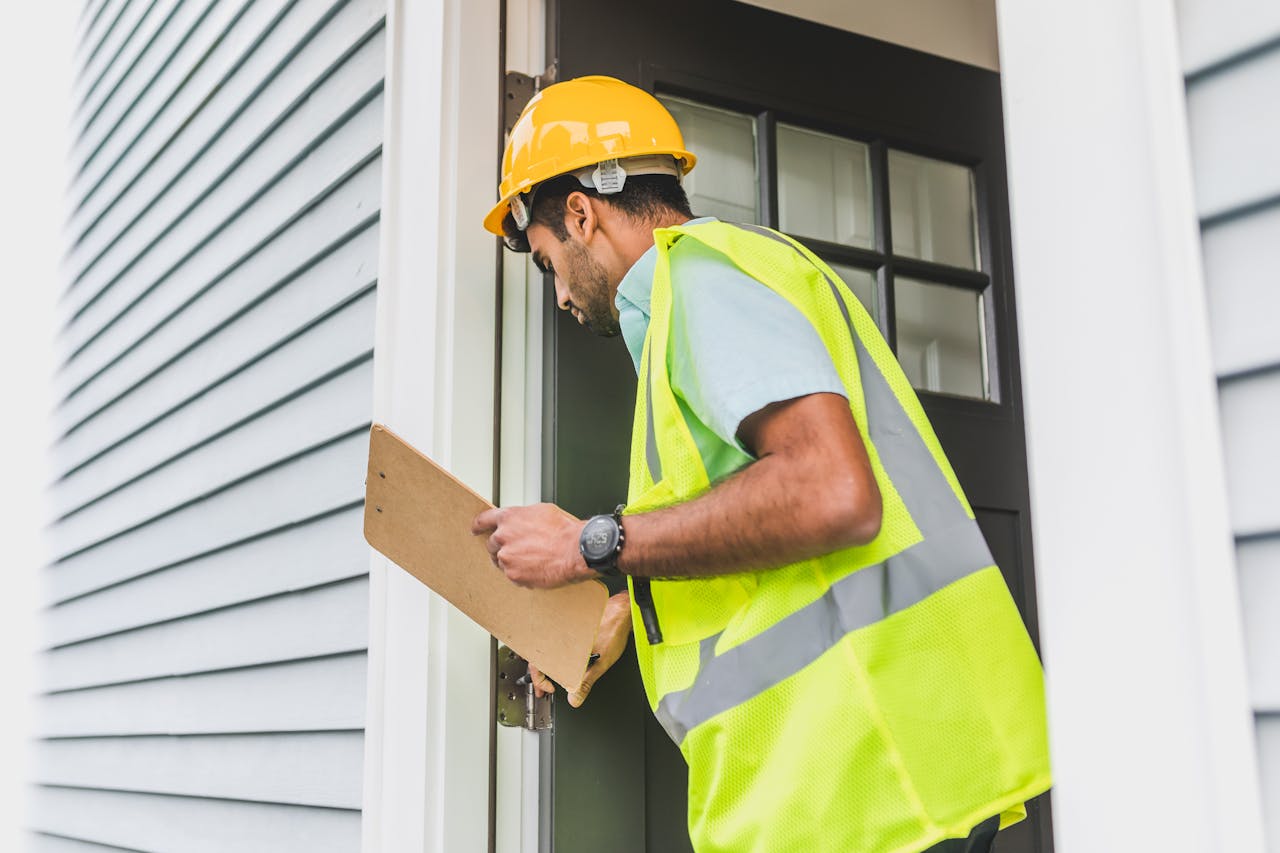


When buyers in Ottawa, Nepean, or Barrhaven fall in love with a home, it’s usually because of how it looks — bright rooms, fresh paint, updated kitchens, and attractive flooring. What they don’t see, and often don’t realize they need to consider, are the expensive hidden problems that can silently drain equity, budget, and peace of mind.
Some of these issues don’t announce themselves until years after the purchase. Others reveal themselves only after seasonal changes or heavy weather events. Many occur beneath finishes or inside systems that most buyers never check during a showing.
In this long-form guide, I’m going to walk you through the most expensive home problems buyers routinely miss in Ottawa, Nepean, and Barrhaven — why these issues matter, how they develop, what clues often reveal them, and how an inspection can protect you before it’s too late.
1. Foundation and Crawlspace Problems That Grow Over Time
What Buyers Miss
Buyers walk through the living spaces and assume that if the walls are straight and the home looks level, the foundation must be fine. But a foundation is more than visible cracks — it’s how the entire home stays stable.
How It Develops
In Ottawa, Nepean, and Barrhaven, seasonal moisture, freeze-thaw cycles, clay soil movement, and improper grading can cause:
- Horizontal and stair-step cracks
- Truss uplift
- Bowed walls
- Uneven floors
- Gaps around windows and door frames
Some cracks are cosmetic — but others are structural. The difference isn’t visible without careful inspection.
Why It’s Expensive
Repairing foundation issues often requires structural reinforcement, drainage correction, and sometimes excavation — costs that can easily run $10,000–$30,000+ depending on severity.
What I Look For
- Crack direction and width
- Moisture patterns near walls
- Soil slope around the foundation
- Alignment changes between floors
- Door frame gaps near corners
2. Moisture Intrusion and Hidden Basement Dampness
What Buyers Miss
A dry basement during a showing isn’t a guarantee of dryness year-round. Moisture issues can be intermittent and tied to weather, snowmelt, or poorly designed drainage.
How It Develops
Moisture enters homes through:
- Poor exterior grading
- Blocked or ineffective weeping tiles
- Downspouts discharging near the foundation
- Hydrostatic pressure pushing groundwater inward
Even homes with finished basements can hide moisture behind walls and flooring.
Why It’s Expensive
Long-term moisture leads to:
- Mold remediation
- Insulation replacement
- Subfloor repair
- Wall cavity drying
- New drainage systems
These repairs can easily exceed $15,000–$30,000+ — especially if hidden for years.
What I Look For
- Efflorescence (white powder on walls)
- Damp spots near floor edges
- Subtle odours after rain
- Moisture readings from probes
- Evidence of past repairs or patching
3. Roof and Attic Issues Hidden From Street View
What Buyers Miss
From the outside, a roof might look fine for years — especially from street level. But roofing systems work with ventilation, insulation, and attic moisture management. The roof isn’t just shingles.
How It Develops
Roof problems often begin from:
- Ice dams
- Inadequate ventilation
- Poor insulation leading to heat loss
- Bad flashing around chimneys and vents
- Ponding water on flat sections
Attics often collect moisture and rot long before any sign appears below.
Why It’s Expensive
Roof and attic problems can require:
- Shingle replacement
- Flashing repair
- Attic ventilation redesign
- Insulation upgrades
- Roof deck replacement
Costs can range $8,000–$25,000+, especially when hidden issues are involved.
What I Look For
- Ice dam scars on sheathing
- Dark staining on rafters
- Condensation frost lines
- Blocked soffit vents
- Sagging decking
4. Old or Improperly Installed Electrical Systems
What Buyers Miss
Working lights and outlets give buyers a false sense of electrical safety. But wiring quality matters more than performance during a walkthrough.
How It Develops
Electrical danger can hide in:
- Loose connections
- Improper splices behind drywall
- Aluminum wiring transitions without proper connectors
- Undersized breakers on heavy loads
- Buried junction boxes
Some older neighbourhoods in Ottawa (and many in Barrhaven and Nepean) still have aging electrical infrastructure tucked behind new finishes.
Why It’s Expensive
Comprehensive electrical upgrades often involve panel replacement, rewiring portions of the home, and addressing code violations. Total costs can easily reach $5,000–$15,000+, not including cosmetic repairs when walls are opened.
What I Look For
- Breaker sizing vs wire gauge
- GFCI protection in wet areas
- Panel access and labeling
- Wire type transitions
- Outlet grounding
5. HVAC and Ductwork Problems That Reduce Comfort and Drive Costs Up
What Buyers Miss
A furnace or AC that “works” during a showing doesn’t guarantee it’s operating efficiently or safely.
How It Develops
Homes with duct systems that aren’t balanced, poorly sized HVAC equipment, or poorly sealed ductwork often exhibit:
- Uneven temperatures
- High utility bills
- Excessive cycling
- Excessive dust
- Early component failure
Overall system performance is shaped by envelope tightness, airflow design, insulation gaps, and past renovations — not just the age of the equipment.
Why It’s Expensive
HVAC repairs and upgrades can involve:
- Compressor replacement
- Duct sealing or redesign
- Furnace heat exchanger fix
- Thermostat system upgrades
- Airflow correction
Costs range $3,000–$12,000+ and sometimes more if structural access is required.
What I Look For
- Airflow balance at diffusers
- Return pathway effectiveness
- Filter condition
- Compressor cycling behaviour
- Duct insulation condition
6. Undetected Moisture and Condensation in Wall Cavities
What Buyers Miss
This problem never shows up in listing photos. Yet moisture inside walls is one of the most damaging and insidious issues I encounter.
How It Develops
Moisture enters wall cavities from:
- Air leakage from conditioned spaces
- Poor vapour barrier placement
- Plumbing leaks behind finishes
- Roof water migrating down through framing
Over time, this leads to hidden mold, framing rot, insulation degradation, and compromised structural integrity.
Why It’s Expensive
Remediation can require:
- Opening walls
- Removing insulation
- Treating mold
- Repairing framing
- Resealing penetrations
Total costs often exceed $10,000+ — and sometimes much more if spread over multiple locations.
What I Look For
- Thermal anomalies on walls
- Damp spots showing through texture
- Mismatched repair patches
- Seasonal odours after weather changes
7. Old or Mismanaged Insulation That Reduces Efficiency
What Buyers Miss
Insulation quality and coverage rarely show in a home tour. Most people see insulation only if it’s been recently installed — but not what’s missing.
How It Develops
Over time, insulation can become:
- Compressed by rodents or renovation work
- Misaligned or gapped
- Blocked at soffit vents
- Reduced by attic bypasses
- Wet from condensation
This significantly impacts comfort, energy bills, and moisture migration.
Why It’s Expensive
Correcting insulation problems often involves:
- Attic upgrades
- Correcting ventilation conflicts
- Rim joist insulation
- Addressing bypass paths
Total fix costs easily exceed $3,000–$8,000+ depending on the area and accessibility.
What I Look For
- Thermal imaging across walls and ceilings
- Attic insulation depth checks
- Breach points around penetrations
- Insulation types and consistency
8. Hidden Plumbing Issues Behind Finished Surfaces
What Buyers Miss
Visible drains and faucets work during a showing. What buyers rarely see are small leaks hidden by walls, cabinets, or tile.
How It Develops
Leaks creep in through:
- Loose connections in walls
- Pipe corrosion at hidden joints
- Improper drain slope
- Hairline cracks behind tile
- Water line stress under sinks and toilets
Moisture quietly travels outward once it exits the pipe — often showing up in other systems first.
Why It’s Expensive
Hidden plumbing failures can lead to:
- Mold remediation
- Cabinet and flooring replacement
- Drywall repair
- Structural wood replacement
- Tile reinstallation
Repair costs inevitably run $5,000–$20,000+ once damage spreads.
What I Look For
- Moisture readings behind cabinets
- Thermal anomalies near plumbing stacks
- Slow drains or partial obstructions
- Water staining patterns in adjacent finishes
9. Exterior Issues That Lead to Long-Term Damage
What Buyers Miss
Curb appeal rarely shows buyers what’s happening where it matters most — the areas that intercept water, wind, and seasonal stress.
How It Develops
Poor or deceptive exterior conditions include:
- Stucco cracking that invites moisture intrusion
- Brick veneer ties failing
- Sill plates exposed to soil contact
- Improper flashing under trim
- Deck ledger boards sharing moisture into framing
These exterior vulnerabilities quietly escalate into interior damage and structural issues.
Why It’s Expensive
Fixing these often requires:
- Siding repair
- Flashing replacement
- Re-grading
- Moisture intrusion paths sealed
- Structural framing repair
Costs vary but routinely exceed $4,000–$15,000+, depending on severity and access.
What I Look For
- Signs of water entry near windows and openings
- Sill plate condition
- Flashing continuity
- Exterior wall joint performance
- Deck attachments and moisture paths
10. Air Leakage and Pressure Imbalance That Drives Damage Everywhere
What Buyers Miss
Air movement within a home is invisible — but its effects aren’t.
How It Develops
Air leakage occurs when:
- Attic bypasses aren’t sealed
- Exterior penetrations aren’t air-sealed
- Ductwork leaks
- Basement openings communicate with living spaces
This causes:
- Drafts
- Uneven comfort
- Moisture migration
- Infiltration of outdoor pollutants
- HVAC stress
Why It’s Expensive
Sealing air leaks can be inexpensive initially — but the resulting damage if left alone (moisture, insulation loss, rot, HVAC failure) becomes very expensive.
What I Look For
- Draft mapping
- Pressure diagnostics
- Thermal imaging
- Duct leakage
- Interconnected airflow patterns
How a Home Inspection Unearths These Buried Risks
The most expensive problems buyers miss are rarely visible. They’re buried, silent, and often active only under specific conditions — seasonal moisture, temperature change, system load, or material stress.
During an inspection, I use a mix of:
- Visual evaluation
- Moisture probing
- Thermal imaging
- Pressure testing
- System operation diagnostics
- Pattern recognition
- Experience from hundreds of similar cases
Final Thoughts: What Buyers See Is Only the Beginning
A home tour shows you how a house looks.
An inspection tells you how it behaves.
In Ottawa, Nepean, and Barrhaven — where weather, soil, construction styles, and renovation patterns vary — the biggest risks are not the dramatic or obvious ones. They’re the quiet problems that develop over years, move through materials, and only reveal themselves when they’ve already crossed thresholds of damage.
If you’re buying a home in these markets, you don’t want to discover a costly problem after the fact. You want to understand how the house works today and how it’s likely to behave tomorrow.
Because expensive home problems are often quiet at first — but they never stay quiet for long.