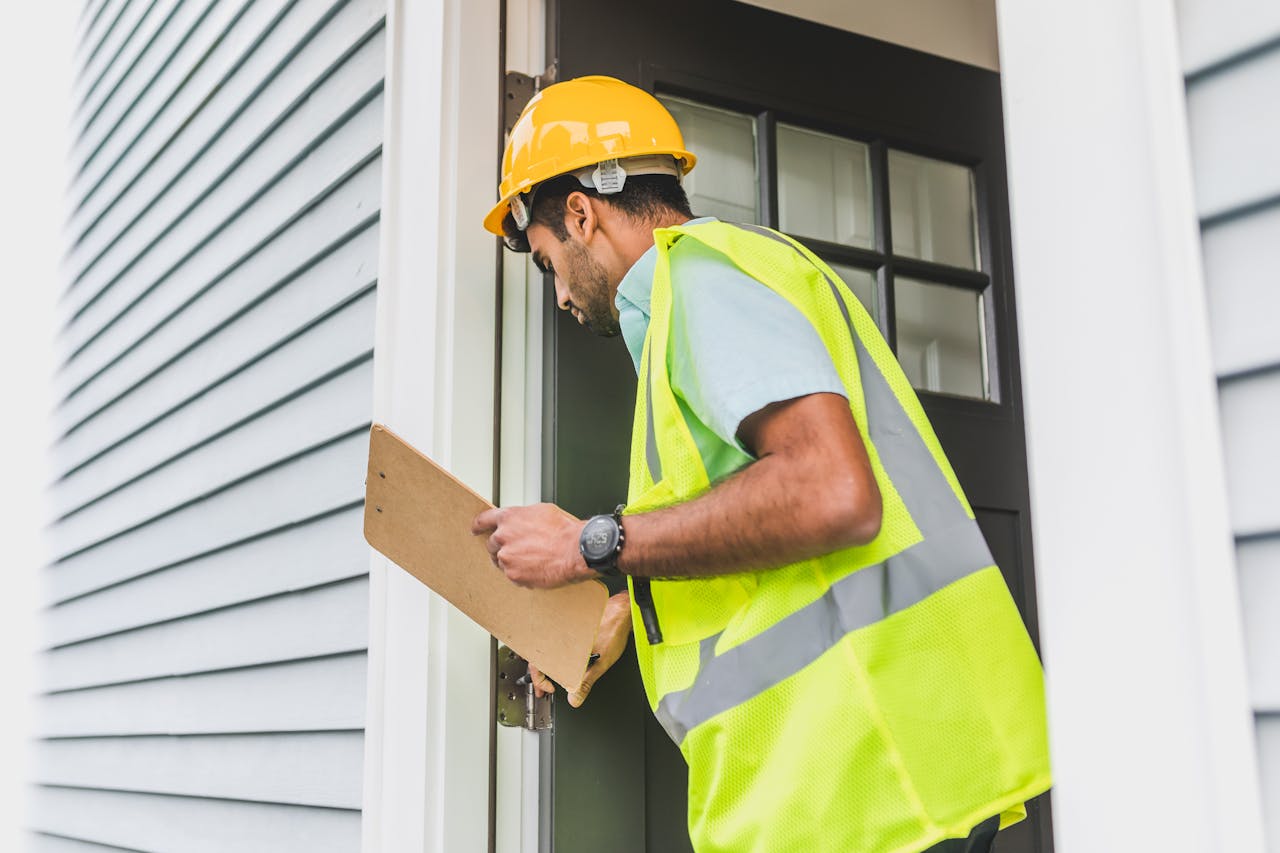


When people think about buying a home in Kanata, they usually focus on the obvious things.
They look at the kitchen.
They notice the flooring.
They ask about the roof age.
They walk through the basement.
They imagine where the furniture will go.
And that makes sense — Kanata is full of beautiful homes, family-friendly neighborhoods, newer subdivisions, and properties that often look move-in ready.
But after inspecting homes across Kanata for years, I’ve learned something that surprises many buyers:
The most important issues in a house are rarely the ones buyers notice during a showing.
Most buyers pay attention to what’s visible.
During a home inspection, I pay attention to what’s hidden.
In this long-form guide, I want to walk through what I look for during a home inspection in Kanata that most buyers never think about — the quiet risk areas, the overlooked systems, and the small clues that often matter far more than cosmetic finishes.
Because in a competitive market like Kanata, a home can look perfect and still carry issues that deserve careful attention before a purchase becomes permanent.
Kanata Homes Have Their Own Inspection Patterns
Kanata has a wide mix of housing types, including:
- Newer suburban builds
- Townhomes and semi-detached properties
- Larger detached homes with finished basements
- Homes with attached garages and rooms above garages
- Renovated older properties in established areas
Because of this variety, Kanata homes tend to produce certain recurring inspection themes:
- Attic ventilation inconsistencies
- Garage separation weaknesses
- Basement moisture patterns
- Builder-grade shortcuts that age over time
- Renovation work that hides earlier issues
- Drainage and grading challenges in newer subdivisions
Many buyers assume that newer homes automatically mean fewer problems.
But inspections in Kanata often prove that “newer” doesn’t always mean “risk-free.”
The Biggest Buyer Blind Spot: The House Doesn’t Need to Look Damaged to Have Problems
One of the most important truths I’ve learned as a home inspector is this:
A house can be functioning normally while still developing serious issues quietly.
Many defects start as subtle system failures:
- Moisture that hasn’t become visible yet
- Ventilation problems that haven’t produced mold yet
- Electrical loads that haven’t tripped breakers yet
- Structural movement that hasn’t cracked drywall yet
Most buyers expect problems to be obvious.
In reality, the biggest inspection discoveries are often the ones that are still early.
And early problems are exactly what inspections are meant to catch.
What I Look for That Most Buyers Never Think About
Let me walk through some of the most overlooked areas I focus on during Kanata home inspections — the things buyers rarely ask about, but absolutely should understand.
1. Air Movement Between the Garage and the Home
In Kanata, attached garages are extremely common.
And garages are one of the most misunderstood spaces in a house.
Buyers often see a garage as a bonus room:
- Extra storage
- Workshop space
- Clean finished drywall
- Added convenience
But during inspections, I treat garages as high-risk boundary zones.
Garages contain:
- Vehicle exhaust
- Carbon monoxide residue
- Gasoline vapors
- Stored chemicals
- Temperature extremes
- Moisture from snow melt
What I look for is separation.
I evaluate:
- The sealing of the door between garage and house
- Air leakage pathways through framing
- Gaps around penetrations
- Open attic connections above the garage
- Pressure-driven airflow into the home
Most buyers never think about air migration.
But garage air entering the living space is one of the most serious indoor air quality risks in a home.
2. Attic Ventilation That Looks Fine From Below
Attics are one of the least visited spaces in a house.
Buyers almost never go up there.
But in Kanata homes, attic ventilation issues are extremely common, especially when insulation has been upgraded or renovations have disrupted airflow.
I look for:
- Blocked soffit intake
- Missing baffles
- Ridge vent performance
- Moisture staining on sheathing
- Frost patterns in winter
- Mold spotting near ridge lines
Poor attic ventilation can lead to:
- Ice dams
- Roof deck condensation
- Insulation damage
- Shortened roof lifespan
A roof doesn’t just need shingles.
It needs airflow.
And most buyers never think about whether the roof system can breathe properly.
3. Basement Moisture Behavior Before It Becomes a Leak
Finished basements are extremely common in Kanata.
They look clean.
They add living space.
But basements are always moisture zones — even when no leak is visible.
During inspections, I focus on early moisture indicators:
- Efflorescence on foundation walls
- Humidity levels
- Floor edge staining beneath finishes
- Sump pump presence and discharge routing
- Drainage patterns outside the home
Many basement issues start as slow moisture accumulation, not sudden flooding.
Buyers often assume:
“No leak means no problem.”
But moisture risk is often hidden long before it becomes obvious.
4. Rooms Built Above Garages (Structural and Comfort Risks)
A very common Kanata design is a bedroom or bonus room above the garage.
These areas often create unique inspection concerns.
I look for:
- Cold floor complaints
- Insulation gaps between garage ceiling and living space
- Air leakage through rim joists
- Structural movement near large garage openings
- Drywall cracking patterns above the header span
Rooms above garages experience different stresses than interior rooms.
Most buyers love the layout.
Few realize these rooms are among the most technically complex areas of the house.
5. Builder-Grade Drainage and Grading Issues in Newer Subdivisions
Kanata has many newer neighborhoods where grading is still settling over time.
Drainage is one of the most important long-term protection systems in any home.
I look at:
- Slope away from the foundation
- Downspout discharge placement
- Signs of water pooling near corners
- Soil settlement along foundation edges
- Patio and walkway grading direction
Poor drainage leads to:
- Basement moisture
- Foundation stress
- Long-term structural movement
Most buyers focus on interiors.
But water management begins outside.
6. Electrical Capacity That Hasn’t Been Upgraded for Modern Use
Many Kanata homes were built before today’s electrical demands.
Buyers now expect:
- EV chargers
- Home offices
- Finished basements
- High-powered kitchen appliances
- Hot tubs
- Added lighting
During inspections, I look for:
- Panel capacity and labeling
- Overloaded circuits
- Double taps
- Missing GFCI protection
- Amateur outlet additions
Electrical issues often develop quietly until usage increases.
A house can look modern while the electrical system remains under strain.
7. Bathroom Venting That Creates Hidden Moisture Loads
Bathrooms produce enormous humidity.
In Kanata inspections, I often find bathroom fans that:
- Vent into attic spaces
- Terminate near soffits
- Use disconnected ducting
- Lack proper airflow capacity
Even a beautiful renovated bathroom can create mold risk if moisture isn’t exhausted properly.
I always check where bathroom air actually goes.
Most buyers never ask.
8. Window and Door Installation Details Buyers Overlook
Buyers notice window style.
I notice window performance.
I look for:
- Failed seals
- Draft pathways
- Condensation patterns
- Improper flashing
- Water staining beneath sills
Windows are a major moisture entry point when installation is imperfect.
Early failure is often subtle.
9. HVAC Distribution That Creates Pressure Imbalances
Heating and cooling systems are not just about comfort.
They influence air movement.
I look for:
- Supply/return balance
- Negative pressure zones
- Duct leakage near garages
- Basement airflow stagnation
- Humidity control performance
Pressure imbalances can pull air from garages, attics, or crawl spaces into living zones.
Most buyers never think about air pressure.
But it matters.
10. Renovation Layers That Hide Earlier Problems
Kanata has many updated homes.
Renovations can be great.
But they can also conceal history.
I look for:
- Fresh paint over staining
- New flooring over uneven subfloors
- Finished walls hiding foundation cracks
- Cosmetic upgrades without system upgrades
A renovated home deserves closer inspection, not less.
Final Thoughts: The Most Important Inspection Findings Are Often the Ones Buyers Never Expect
In Kanata, homes often look clean, modern, and well maintained.
But the biggest inspection value comes from examining what buyers rarely think about:
- Air separation zones
- Moisture behavior before leaks
- Attic ventilation performance
- Structural transitions over garages
- Drainage patterns outside
- Electrical load readiness
- Hidden ventilation shortcuts
A home inspection isn’t about finding flaws.
It’s about understanding the house fully before you commit to it.
Because the best surprises are the ones you avoid.
And in Kanata, the homes that look the most perfect are often the ones where the hidden details matter most.