

When homeowners in Cornwall or Kemptville think about their heating system, most assume it will last a predictable amount of time. People often hear general estimates like “a furnace lasts 15 to 20 years” and expect their system to follow that timeline.
But after inspecting homes across Cornwall and Kemptville for years, I’ve noticed something consistent:
Heating systems in these communities often fail sooner than homeowners expect — even when the equipment isn’t that old.
The surprising part is that early heating failure is rarely caused by one dramatic breakdown. It’s usually caused by slow, compounding stress that builds year after year. In many cases, the furnace or heating system isn’t the real problem — the home’s environment, airflow, maintenance patterns, and design pressures are what shorten its lifespan.
In this long-form guide, I want to explain why heating systems tend to fail faster in Cornwall and Kemptville homes, what I commonly uncover during inspections, and how homeowners can recognize early warning signs long before a winter emergency.
Heating Systems Don’t Fail in Isolation — They Fail Under Stress
One of the most important truths about HVAC equipment is that it doesn’t operate independently.
A heating system is part of a larger home ecosystem that includes:
- Insulation performance
- Air leakage
- Ventilation behaviour
- Ductwork design
- Humidity levels
- Basement moisture
- Seasonal temperature swings
When these factors are balanced, heating systems last longer.
When they’re not, heating systems work harder than they were designed to — and failure accelerates.
Cornwall and Kemptville homes often create the exact conditions that increase this stress.
Cornwall and Kemptville Winters Create Long Heating Seasons
The first reason heating systems wear out faster is simple:
They run more.
In Cornwall and Kemptville, heating season is long and demanding. Furnaces aren’t just used occasionally — they cycle constantly for months.
That extended runtime leads to:
- More mechanical wear
- More ignition cycles
- More blower strain
- Faster filter loading
- Greater heat exchanger stress
A furnace that runs heavily for six months a year ages faster than one used lightly in milder climates.
Even a well-installed system will wear sooner under constant seasonal demand.
Many Homes Have Envelope Issues That Force Furnaces to Overwork
One of the most common inspection findings in Cornwall and Kemptville is that homes lose heat faster than homeowners realize.
This happens through:
- Attic insulation gaps
- Rim joist air leakage
- Drafty basements
- Poorly sealed windows
- Uninsulated wall sections
- Older construction details that were never upgraded
When heat escapes quickly, the furnace compensates by cycling more often and running longer.
The system isn’t failing because it’s weak.
It’s failing because the home is demanding more than it should.
Heating systems fail faster in homes that leak energy.
Short Cycling Is a Silent Furnace Killer
One of the most damaging conditions I see in Cornwall and Kemptville homes is short cycling.
Short cycling happens when a furnace turns on, runs briefly, shuts off, and repeats frequently.
This often occurs because of:
- Oversized furnaces installed for “extra power”
- Thermostat placement issues
- Poor airflow restricting heat distribution
- Blocked return pathways
- Uneven heating loads after renovations
Short cycling is hard on equipment because ignition and startup are the most stressful phases of operation.
A furnace that cycles too often wears out faster than one that runs steadily.
Homeowners often don’t notice short cycling until the system begins failing prematurely.
Ductwork Problems Are One of the Biggest Lifespan Reducers
In many Cornwall and Kemptville homes, ductwork was never designed for modern comfort expectations.
I frequently find:
- Undersized returns
- Long duct runs with poor airflow
- Sharp bends restricting movement
- Disconnected or leaking ducts
- Basement renovations that altered airflow
- Supply vents added without balancing
When airflow is restricted, the furnace must push harder.
This increases:
- Blower motor wear
- Heat buildup in the system
- Overheating risk
- Noise and vibration stress
Many furnace failures are actually airflow failures.
The furnace is often blamed for what ductwork caused.
Basement Conditions Add Hidden Stress to Heating Systems
Basements play a larger role in heating performance than most homeowners realize.
In Cornwall and Kemptville, basements often experience:
- Higher humidity
- Cold foundation walls
- Moisture infiltration after snowmelt
- Finished spaces with trapped dampness
When basement air is damp, it affects heating systems by:
- Increasing corrosion risk
- Adding moisture load to ductwork
- Encouraging mold buildup in registers
- Reducing indoor air quality
- Stressing ventilation components
Heating equipment installed in basements lives in the home’s most challenging environment.
Moisture accelerates mechanical deterioration.
Filters and Maintenance Patterns Often Fall Behind
Another reason heating systems fail faster than expected is simple: maintenance is often inconsistent.
In inspections, I frequently see:
- Filters that haven’t been changed in months
- Restricted airflow from clogged returns
- Dust buildup inside blower compartments
- Neglected humidifiers
- Vents blocked by furniture or renovations
A furnace is designed to breathe.
When airflow is restricted, the system overheats and strains.
Small maintenance habits make a huge difference over years.
Most early failures are not sudden — they are accumulated neglect.
Humidity Mismanagement Accelerates System Wear
Humidity is one of the most overlooked contributors to heating system stress.
In winter, homeowners often add humidification to stay comfortable. But too much humidity can create:
- Condensation in ductwork
- Moisture buildup on metal components
- Increased corrosion
- Mold risk inside vents
Too little humidity, on the other hand, causes:
- Dry air discomfort
- Static buildup
- Increased heating demand
Balanced humidity is essential for both comfort and system longevity.
Cornwall and Kemptville winters make this balance difficult, and many systems suffer because of it.
Renovations Often Change Heating Loads Without System Adjustments
Many homes in Cornwall and Kemptville undergo renovations that unintentionally strain heating systems.
Examples include:
- Finished basements adding new heated space
- Open-concept conversions altering airflow
- Additions increasing square footage
- Garage conversions changing insulation loads
- New windows changing pressure dynamics
The furnace remains the same size, but the home’s heating demands change.
When systems aren’t recalibrated after renovations, they often:
- Run longer
- Cycle differently
- Develop imbalance
- Wear faster
A furnace installed for the original layout may not be appropriate years later.
Ventilation Issues Create Recirculated Stress
Heating systems depend on proper air exchange.
In many Cornwall and Kemptville homes, ventilation issues include:
- Exhaust fans venting improperly
- Homes sealed too tightly without balanced ventilation
- Stale air increasing humidity load
- Return air pathways blocked
When ventilation is poor, the furnace recirculates heavier air that contains more moisture, dust, and contaminants.
This increases internal wear and reduces efficiency.
A heating system lasts longer when the home breathes correctly.
Early Warning Signs Homeowners Often Miss
Heating systems rarely fail without warning. The problem is that the warnings are subtle.
Signs I encourage homeowners to take seriously include:
- Uneven heating between rooms
- Furnace running constantly in mild weather
- Short cycling patterns
- New rattling or vibration noises
- Increased dust buildup
- Rising energy bills without explanation
- Persistent dry or overly humid indoor air
- Musty odours near vents
These symptoms often appear long before a full breakdown.
The system is communicating stress.
Why Cornwall and Kemptville Homeowners Are Often Caught Off Guard
Heating failures feel sudden because they often happen during peak winter demand.
But the causes usually develop slowly:
- Airflow restriction over years
- Insulation gaps increasing workload
- Moisture exposure accumulating
- Maintenance delays compounding
- Renovations changing heating loads
The furnace doesn’t fail overnight.
It fails after seasons of stress.
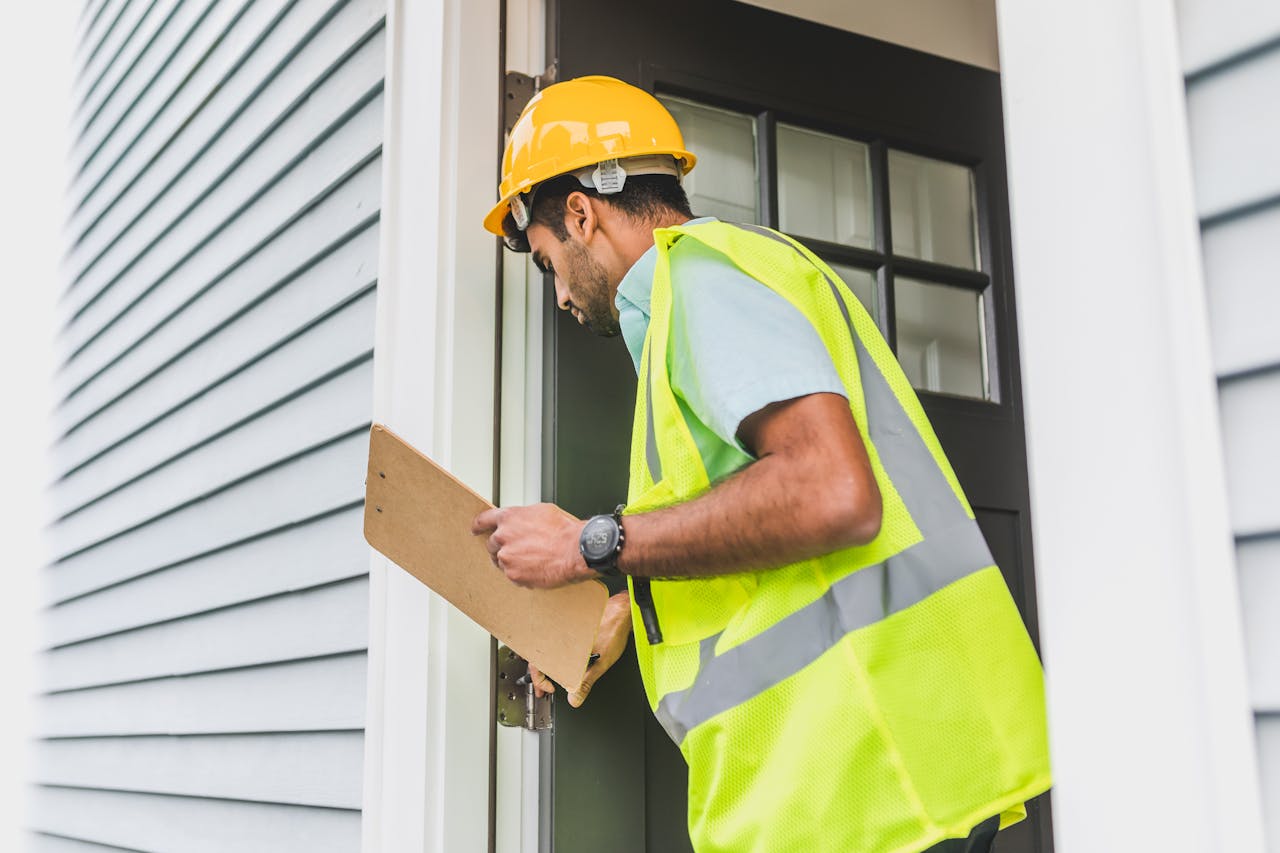
What I Evaluate During Heating-Related Inspections
When inspecting heating systems in Cornwall and Kemptville homes, I don’t just look at the furnace itself. I evaluate the entire operating environment:
- Filter condition and airflow health
- Ductwork design and leakage
- Return pathways and pressure balance
- Basement humidity and corrosion risk
- Insulation and heat loss patterns
- System cycling behaviour
- Ventilation integration
- Signs of overheating or strain
Heating longevity depends on the whole house, not just the unit.
Final Thoughts: Heating Systems Fail Faster When Homes Demand Too Much
In Cornwall and Kemptville, heating systems often fail sooner than homeowners expect because the systems are operating under constant environmental stress.
The biggest contributors are rarely dramatic defects. They are slow pressures:
- Long winters
- Heat loss
- Airflow restriction
- Moisture exposure
- Renovation load changes
- Maintenance gaps
A furnace lasts longer when the home supports it.
Understanding why systems fail early allows homeowners to intervene before breakdowns occur — and to protect comfort, safety, and long-term costs.
Because heating problems are rarely just equipment problems.
They’re home-performance problems that show up in the furnace first.