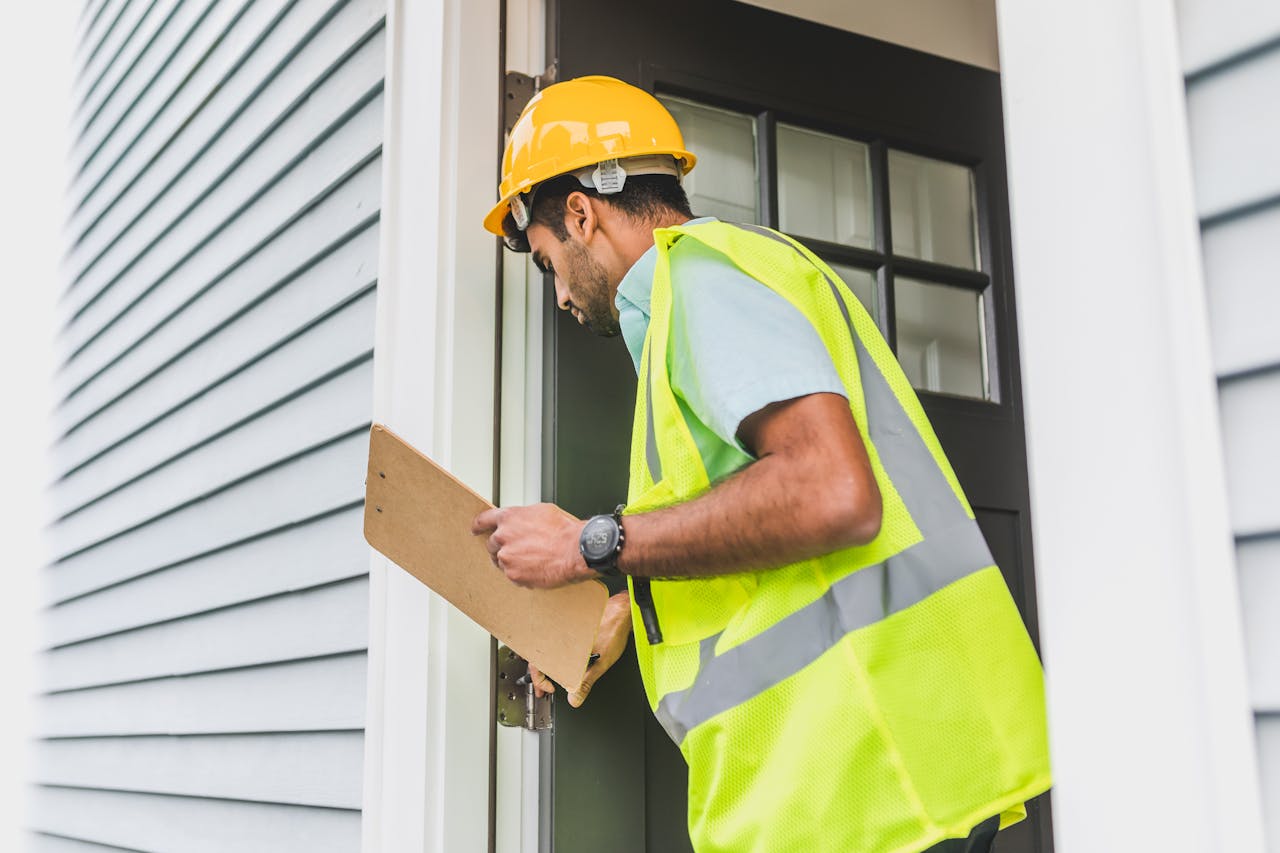


When I inspect homes in Metcalfe, Ontario, I approach the process very differently than I would in a dense urban neighbourhood. Metcalfe is a rural community, and rural homes come with layers of complexity that simply do not exist in most city properties. From private water systems to aging structures on larger lots, a home inspection in Metcalfe requires more time, more attention, and a deeper understanding of how rural properties function.
Many buyers moving to Metcalfe are drawn by space, privacy, and a quieter lifestyle. What they do not always realize is that rural homes demand a higher level of due diligence before purchase. My role during a home inspection is to uncover details that are easy to miss but critical to long term ownership.
Rural Homes Are Built and Maintained Differently
One of the biggest reasons Metcalfe home inspections require a more detailed approach is that rural homes are built and maintained differently from urban homes. There is often more variation in construction methods, materials, and layouts.
Some homes were custom built decades ago, while others were added to or modified over time. Unlike subdivision homes built to a uniform standard, rural properties often reflect the preferences and priorities of previous owners. This makes every inspection unique.
Because of this variability, I never rely on assumptions. I take extra time to understand how the home was constructed, expanded, or renovated before focusing on individual systems.
Private Water Systems Add a Major Layer of Complexity
Unlike most urban homes, properties in Metcalfe often rely on private wells instead of municipal water. A well system introduces additional components that buyers must understand.
During a home inspection, I assess visible well components, pressure tanks, and water delivery systems. I look for signs of aging equipment, pressure inconsistencies, or improper installation. While a home inspection does not replace formal water testing, it plays a key role in identifying potential red flags.
Water quality, supply reliability, and system maintenance are essential considerations for rural homeowners. A detailed inspection helps buyers understand what questions to ask and what follow-up testing may be required before closing.
Septic Systems Require Careful Observation
Septic systems are another major difference between rural and urban homes. In Metcalfe, many properties rely on private septic systems to manage wastewater.
During an inspection, I examine visible septic components, tank access points, and drainage areas when possible. I look for signs of improper grading, surface ponding, or past system stress. I also evaluate how the home’s plumbing connects to the septic system and whether usage patterns appear appropriate for the system’s design.
Septic issues can be expensive to repair or replace, which is why early awareness is so important. A detailed inspection helps buyers understand the condition of the system and whether further evaluation is recommended.
Larger Lots Mean More Exterior Factors to Inspect
Homes in Metcalfe typically sit on larger parcels of land. While this offers privacy and space, it also introduces additional inspection considerations.
I carefully evaluate grading across the property to ensure water flows away from the home and critical systems. Poor grading can lead to foundation moisture issues, basement leaks, or septic problems over time.
I also inspect driveways, retaining walls, outbuildings, and exterior structures when present. These features are often overlooked but can represent significant repair or maintenance costs if neglected.
Foundations Face Different Environmental Pressures
Rural foundations are exposed to different conditions than urban ones. Soil composition, drainage patterns, and frost movement all play a role in how a foundation performs over time.
During a Metcalfe home inspection, I examine foundation walls for cracking, movement, moisture intrusion, and signs of past repair. I also assess interior indicators such as uneven floors, door alignment, and wall cracks.
In rural settings, foundation issues can develop slowly and remain unnoticed for years. Identifying early warning signs allows buyers to make informed decisions and plan appropriately.
Basements Often Reveal Long-Term Property Behavior
Basements in Metcalfe homes often tell a clear story about how the property handles moisture and seasonal changes. I take extra care when inspecting basements because rural properties may not have the same drainage infrastructure as urban homes.
I look for staining, efflorescence, musty odors, and previous waterproofing efforts. Finished basements receive special attention, as finishes can conceal moisture problems until damage becomes severe.
Understanding basement conditions is critical for buyers planning to use the space for living areas, storage, or future renovations.
Electrical Systems May Reflect Multiple Generations of Updates
Electrical systems in rural homes often evolve over time. It is common to find a mix of old and newer components within the same system.
During inspections in Metcalfe, I evaluate the main electrical panel, wiring types, grounding, and overall capacity. I look for signs of outdated materials, improper modifications, or systems that may struggle to support modern electrical demands.
Outbuildings, workshops, and garages often have separate electrical considerations that must be inspected as well. These details are especially important for buyers planning to use the property for hobbies or home based work.
Heating Systems Are Critical in Rural Settings
Reliable heating is essential for rural homes, especially during Ontario winters. In Metcalfe, homes may use a variety of heating systems depending on age and location.
I assess the age, condition, and visible installation quality of heating equipment. I also evaluate ventilation and airflow distribution throughout the home. In rural settings, heating system failures can be more disruptive due to longer service response times.
Understanding system condition and expected lifespan helps buyers prepare for ownership with confidence.
Roofing and Attic Conditions Require Extra Attention
Roof systems on rural homes often experience different exposure levels than those in urban areas. Wind, snow accumulation, and debris from surrounding trees all influence roof performance.
I inspect roofing materials, flashing, and drainage while also paying close attention to attic conditions. Proper insulation and ventilation are critical for preventing moisture buildup and heat loss.
In rural homes, attic issues are sometimes overlooked due to limited access or unfinished spaces. A detailed inspection ensures these areas are not ignored.
Windows, Doors, and Insulation Affect Comfort and Costs
Energy efficiency is a major factor in rural living. Heating and cooling costs can be higher if a home is not well sealed or insulated.
I inspect windows and doors for proper operation, sealing, and signs of moisture intrusion. I also evaluate insulation where visible to assess overall thermal performance.
Drafts, condensation, and uneven temperatures are common concerns in rural homes, and identifying their causes helps buyers plan upgrades effectively.
Outbuildings Add Inspection Responsibilities
Many Metcalfe properties include sheds, barns, garages, or workshops. These structures are often important to buyers but are sometimes overlooked during inspections.
When included, I inspect outbuildings for structural stability, roofing condition, electrical safety, and overall integrity. Even if these structures are not part of the main living space, they represent real value and potential liability.
Wildlife and Environmental Considerations
Rural homes are more exposed to wildlife and environmental factors. I look for signs of animal intrusion, nesting, or damage in attics, crawl spaces, and exterior areas.
Moisture control, ventilation, and sealing play a major role in preventing long term issues related to pests and environmental exposure.
Communication Is Just as Important as Inspection
A more detailed inspection also requires clearer communication. Rural homes can feel overwhelming to buyers unfamiliar with private systems and maintenance responsibilities.
I take the time to explain how each system works, what maintenance is required, and which findings are common for rural properties. This context helps buyers feel informed rather than alarmed.
The inspection report is written to be practical, clear, and useful long after the purchase is complete.
Why This Detailed Approach Protects Buyers
A home inspection in Metcalfe is not just about identifying defects. It is about understanding how the property functions as a whole.
By taking a more detailed approach, I help buyers avoid unexpected expenses, plan maintenance responsibly, and move forward with confidence. Rural homes can be incredibly rewarding, but only when buyers fully understand what they are purchasing.
Final Thoughts
Home inspections in Metcalfe require a more detailed approach because rural properties are inherently more complex. Private water systems, septic systems, larger lots, and varied construction methods all demand careful evaluation.
By inspecting beyond the surface and applying local knowledge, I help buyers uncover the full picture of the home they are considering. A thorough home inspection is one of the most valuable investments a buyer can make, especially in a rural setting.
When done properly, a Metcalfe home inspection does more than identify issues. It provides clarity, confidence, and peace of mind for the future homeowner.