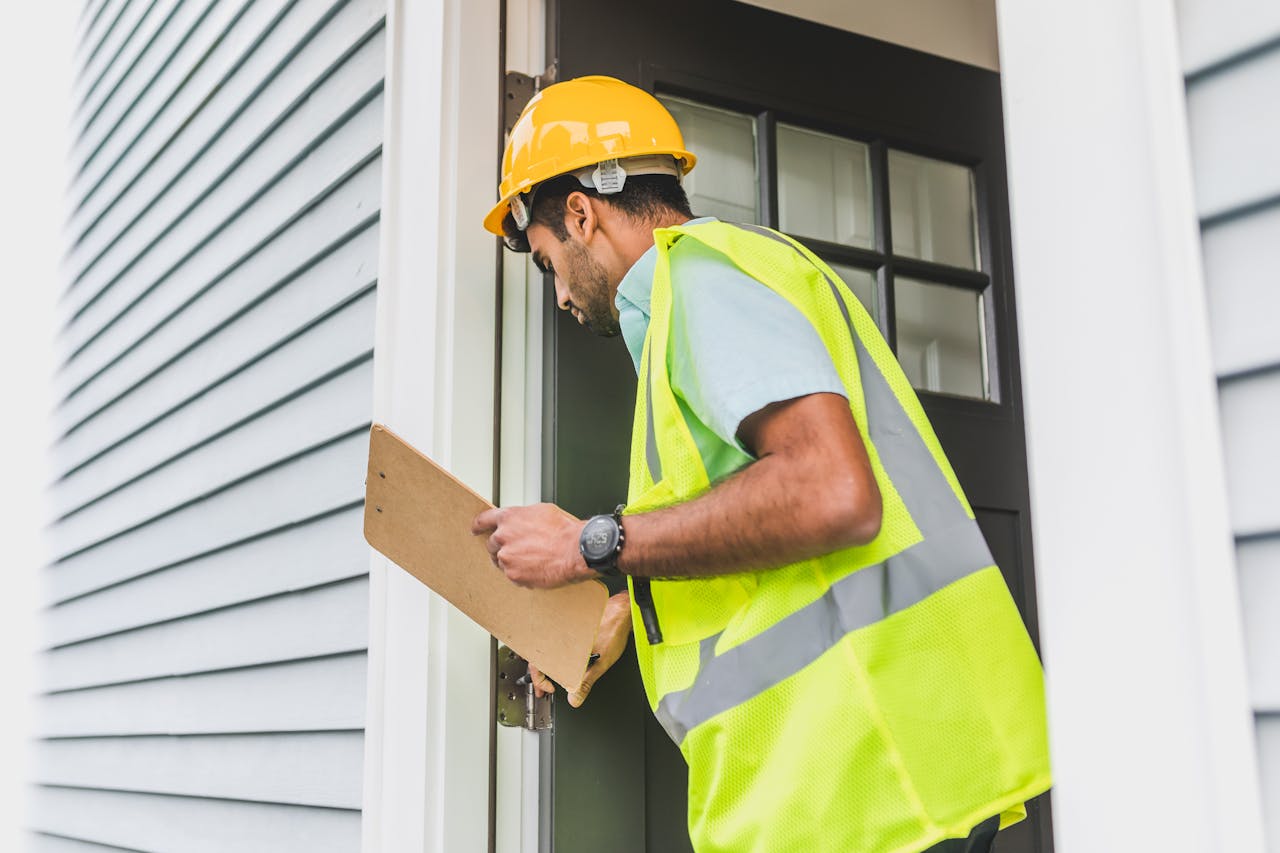


Arnprior has become an increasingly popular destination for homebuyers looking for charm, character, larger lots, and a strong sense of community outside Ottawa. Unlike many newer developments found throughout the region, Arnprior offers a unique mix of historic homes, mature neighbourhoods, century properties, and houses that have stood the test of time for decades.
As someone who has inspected homes throughout Ottawa, Arnprior, Carleton Place, Kemptville, Rockland, Cornwall, Stittsville, Barrhaven, and beyond, I can confidently say that older homes require a completely different inspection approach than newer properties.
While many buyers are drawn to older homes because of their craftsmanship, architecture, and character, these homes often come with hidden complexities that are not immediately visible during a showing.
That does not mean older homes should be avoided. In fact, some of the best-built homes I have inspected have been among the oldest. However, understanding what lies behind the walls, beneath the floors, and above the ceilings becomes especially important when purchasing an older property.
If you are considering buying an older home in Arnprior, here is what you should know about why these properties require a different type of inspection and what I focus on during the process.
Older Homes Tell a Different Story
Every home has a story.
A newer home may have only one owner and a relatively simple maintenance history. An older home, however, may have experienced decades of ownership changes, renovations, repairs, additions, and upgrades.
Some homes in Arnprior have stood for fifty, seventy-five, or even one hundred years or more.
During that time, many things can happen:
- Electrical systems may be updated multiple times.
- Plumbing systems may be partially replaced.
- Roofing materials may have changed.
- Structural modifications may have been made.
- Additions may have been constructed.
- Interior walls may have been removed or relocated.
The challenge is understanding how all of these changes have affected the home’s overall condition.
That requires a different inspection mindset than evaluating a newer property.
Renovations Can Hide Important Clues
One of the biggest reasons older homes require special attention is because renovations often conceal what is underneath.
Many older Arnprior homes have undergone beautiful updates that improve their appearance and functionality.
New flooring.
Updated kitchens.
Modern bathrooms.
Fresh paint.
While these improvements can be beneficial, they sometimes hide important clues about the property’s history.
During inspections, I look carefully for signs that indicate:
- Previous water damage
- Structural modifications
- Electrical changes
- Plumbing alterations
- Foundation repairs
A home can look completely updated while still containing systems or components that deserve closer evaluation.
My goal is to understand what has been improved, what remains original, and how those elements work together.
Electrical Systems Often Require Closer Evaluation
One of the most common areas of concern in older homes involves electrical systems.
Even when upgrades have been completed, older homes often contain a mixture of old and new components.
I regularly encounter:
- Multiple generations of wiring
- Added circuits
- Older service panels
- Modified electrical layouts
- Previous DIY work
Because electrical systems directly impact safety, I spend significant time evaluating visible components and looking for indicators of past modifications.
Many buyers assume that if the lights work, the electrical system is fine.
Unfortunately, electrical concerns are often hidden behind walls and ceilings.
Understanding the visible warning signs is a critical part of the inspection process.
Plumbing Systems Age Differently Than Modern Materials
Another area where older homes differ significantly involves plumbing.
Many older Arnprior homes contain plumbing systems that have evolved over decades.
It is common to find a combination of:
- Original piping
- Updated sections
- Multiple repair methods
- Different materials throughout the home
Some older plumbing materials can perform reliably for many years, while others may be approaching the end of their useful lifespan.
During inspections, I evaluate:
- Visible pipe condition
- Signs of corrosion
- Previous repairs
- Water flow characteristics
- Drainage performance
Understanding the condition of the plumbing system helps buyers prepare for future maintenance and avoid unexpected repair costs.
Foundations in Older Homes Require Context
Many buyers become concerned whenever they see a crack in a foundation.
While foundation issues should never be ignored, older homes require a more nuanced evaluation.
Over decades, homes naturally settle and respond to environmental conditions.
Not every crack represents a structural failure.
What matters is understanding:
- The location of the crack
- The pattern of movement
- Signs of active displacement
- Moisture conditions
- Historical repair evidence
Older foundations often tell a story about how the home has performed over time.
My job is to determine whether that story suggests normal aging or a potential concern.
Attics Often Reveal Decades of History
One of the most valuable areas to inspect in an older home is the attic.
Attics frequently reveal information that is difficult to find elsewhere.
I look for:
- Ventilation performance
- Insulation levels
- Signs of previous roof leaks
- Structural modifications
- Moisture concerns
Because building practices have evolved significantly over the years, many older homes were originally constructed under very different standards than those used today.
The attic often shows how well the home has adapted to modern expectations.
Moisture Becomes More Significant Over Time
Water affects every home.
However, the longer a home exists, the more opportunities there are for moisture-related issues to develop.
In older homes, I pay close attention to:
- Basement conditions
- Foundation walls
- Attic spaces
- Window installations
- Exterior drainage
- Ventilation systems
Moisture concerns may not always appear dramatic.
Sometimes subtle signs reveal years of ongoing exposure.
Finding these indicators early helps buyers understand potential future maintenance requirements.
Structural Changes Can Create Unexpected Challenges
Many older homes have been modified to meet changing family needs.
Walls may have been removed.
Rooms may have been added.
Layouts may have been redesigned.
While many modifications are completed properly, structural changes deserve careful evaluation.
I assess visible indicators that help determine:
- Whether modifications appear appropriate
- How loads are being supported
- Whether additional review may be warranted
These evaluations become especially important in homes that have undergone multiple renovations throughout their lifespan.
Older Roofing Systems Often Have Layered Histories
The roof of an older home may have experienced multiple replacement cycles.
During inspections, I evaluate:
- Roofing materials
- Flashing details
- Ventilation
- Drainage performance
- Signs of previous repairs
Because roofing systems directly protect the entire structure, understanding their current condition is essential.
Many older homes have received partial repairs over time, making it important to evaluate how well the overall system is functioning today.
Insulation Standards Have Changed Dramatically
Energy efficiency expectations today are very different from those that existed decades ago.
Older homes often contain:
- Minimal insulation
- Inconsistent insulation coverage
- Older insulation materials
- Air leakage pathways
This does not necessarily mean the home is problematic.
However, buyers should understand how insulation performance may affect:
- Comfort
- Heating costs
- Cooling costs
- Future upgrades
Identifying these conditions helps buyers make informed decisions about long-term ownership.
Older Homes Often Have Better Craftsmanship Than Buyers Expect
One of the most interesting things I have learned from inspecting older homes is that many were built with exceptional craftsmanship.
I frequently encounter:
- Solid lumber framing
- Durable construction methods
- Quality materials
- Remarkable structural integrity
While age introduces maintenance considerations, older does not automatically mean worse.
In fact, some older homes outperform much newer properties in certain areas.
The key is understanding both the strengths and the weaknesses of the property.
Why Experience Matters More With Older Homes
Inspecting an older home is not simply about following a checklist.
It requires understanding:
- Historical construction methods
- Building evolution over time
- Common aging patterns
- Renovation impacts
- Material performance
Every older home presents a unique combination of original construction and subsequent modifications.
Experience helps identify which findings are typical and which deserve greater attention.
Helping Buyers Understand Ownership Expectations
One of the most important parts of inspecting older homes is helping buyers understand what ownership may involve.
Every property requires maintenance.
Older homes may require:
- Additional monitoring
- Periodic upgrades
- Ongoing maintenance planning
This is not necessarily a negative.
Many buyers specifically choose older homes because of their character and uniqueness.
The goal is simply to understand what comes with that choice.
Why Home Inspections Matter More Than Ever for Older Homes
When buyers search:
- Home inspection Arnprior
- Home inspection Ottawa
- Home inspection near me
- Best home inspector near me
- Home inspection cost
- Home inspection Ottawa cost
They are often trying to determine whether the inspection is worth it.
For older homes, the answer is almost always yes.
The inspection helps uncover:
- Hidden concerns
- Maintenance priorities
- Safety issues
- Future repair considerations
- Property strengths
The information gained can significantly influence both financial decisions and future planning.
Final Thoughts
Arnprior offers some of the most charming and character-filled homes in Eastern Ontario.
Many of these properties have stood strong for decades and continue to provide exceptional value for homeowners.
However, older homes require a different inspection approach because their history, systems, and construction methods are often more complex than those found in newer properties.
If you are searching for:
- Home inspection Arnprior
- Home inspection Ottawa
- Home inspection near me
- Best home inspector near me
- Home inspections Ontario
- Home inspection cost
Remember that an older home should never be judged solely by its appearance.
The real story is often hidden behind the finishes.
A professional inspection helps uncover that story, giving you the information you need to make a confident, informed decision before closing.
Because when it comes to older homes, understanding the past is often the best way to protect your future.