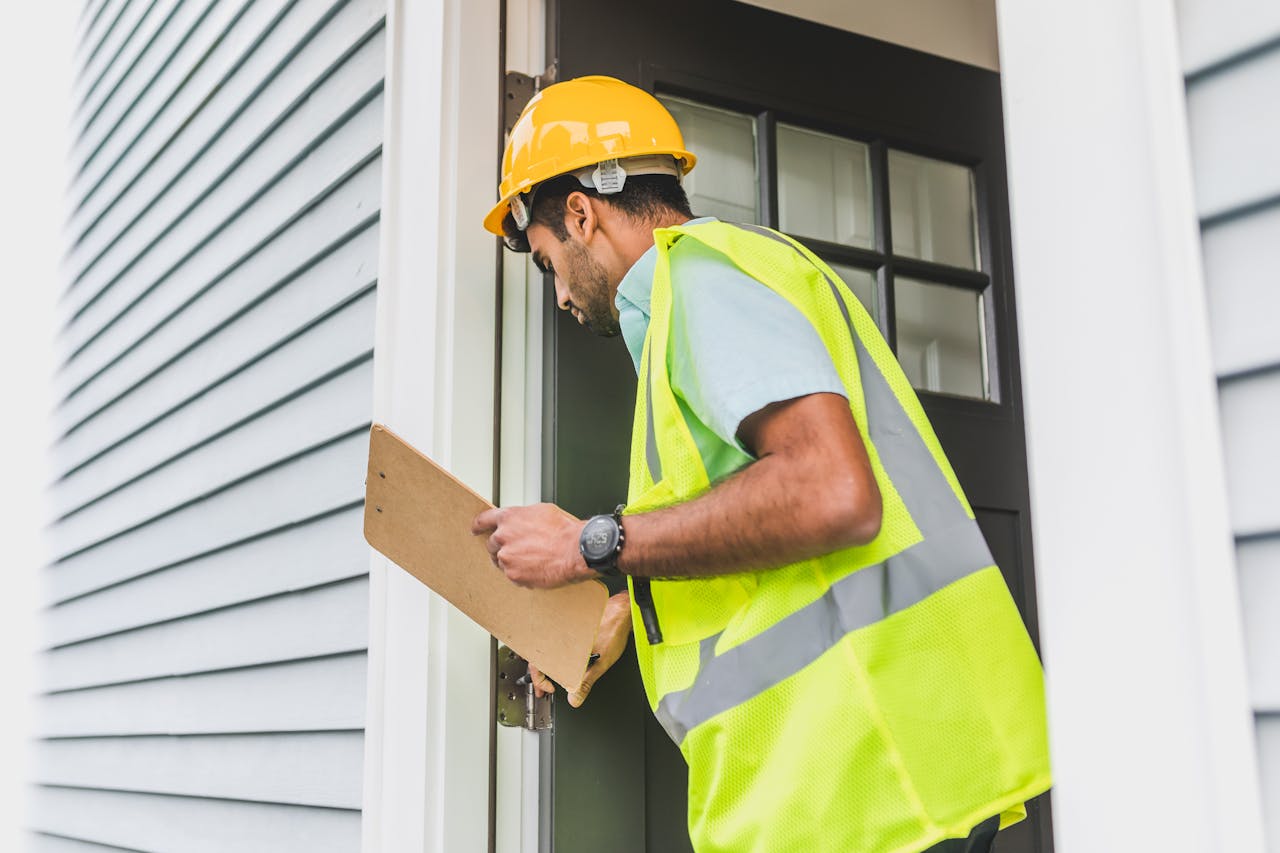


One of the most common reactions I hear during inspections in Kemptville and Arnprior sounds something like this:
“These two houses were built the same year — how can they be in such different condition?”
It’s a fair question. On paper, two homes built in the same year should have similar materials, similar construction methods, and similar lifespans. But in practice, I regularly inspect homes from the exact same era where one feels solid, dry, and well-balanced — while the other is struggling with moisture, uneven floors, drafts, and recurring repairs.
The difference is rarely luck.
And it’s almost never just age.
Homes don’t age evenly. They age according to how they interact with their environment, how they were maintained, and how changes were made over time. In Kemptville and Arnprior especially, small differences early on can compound into major gaps decades later.
In this guide, I want to explain why two homes built the same year can age so differently in these communities — and what those differences reveal during an inspection.
Age Is Only the Starting Point, Not the Explanation
When people think about a home’s condition, they often anchor on its build year. But the year a home was built tells me very little on its own.
What matters far more is:
- How the home was positioned on the lot
- How water interacts with the foundation
- How air moves through the structure
- How repairs were handled when problems first appeared
- How renovations changed the home’s balance
- How consistent maintenance was over time
Two homes can share a birthday and still live completely different lives.
Soil and Lot Conditions Shape How a Home Ages
In Kemptville and Arnprior, soil composition varies significantly — even within the same subdivision.
Clay vs Mixed Soil
Homes built on heavier clay soils tend to experience:
- More expansion and contraction
- Greater foundation stress
- Increased crack formation over time
Homes built on mixed or better-draining soil often show:
- Less movement
- More stable foundations
- Fewer recurring structural repairs
I’ve inspected two homes built the same year on adjacent streets where one shows repeated crack repairs and the other has barely moved. The difference was soil behaviour, not construction quality.
Grading and Drainage Create Long-Term Winners and Losers
One of the biggest differentiators I see between aging homes is how water was managed from the beginning.
In Kemptville and Arnprior, where spring melt and seasonal rain are significant, grading matters enormously.
Homes that aged well usually had:
- Proper slope away from the foundation
- Downspouts extended far enough
- No buildup of soil or mulch against siding
- Clear drainage paths that stayed functional
Homes that aged poorly often show:
- Negative grading that worsened over time
- Landscaping changes that redirected water toward the house
- Downspouts shortened or disconnected
- Repeated attempts to patch basement moisture instead of solving it
Water doesn’t need a dramatic failure to cause long-term damage. Quiet exposure over decades is enough.
Small Maintenance Decisions Compound Over Time
One of the biggest differences between well-aged homes and struggling ones is how early issues were handled.
In homes that aged better, I often see:
- Small foundation cracks sealed early
- Minor roof issues addressed before leaks developed
- Attic insulation topped up before condensation became a problem
- Gutters maintained consistently
- Ventilation adjusted when comfort issues appeared
In homes that aged poorly, the pattern is usually the opposite:
- Small issues ignored
- Cosmetic repairs used instead of structural fixes
- Moisture covered instead of traced
- Temporary solutions repeated over years
A home that gets attention early stays resilient.
A home that waits accumulates damage.
How Renovations Change Aging Trajectories
Renovations play a massive role in how a home ages — for better or worse.
Renovations That Help Homes Age Well
Homes that age gracefully often had renovations that:
- Improved insulation without trapping moisture
- Enhanced ventilation instead of restricting airflow
- Updated systems in coordination with layout changes
- Respected the home’s original structure
- Addressed underlying issues before finishing
Renovations That Accelerate Aging
In contrast, many homes that age poorly show signs of renovations that:
- Blocked airflow
- Covered moisture pathways
- Ignored pressure balance
- Added load without structural planning
- Focused on appearance only
In Arnprior especially, I’ve seen older homes where renovations dramatically changed how the house behaves — sometimes within just a few years.
Renovations don’t pause aging.
They redirect it.
Air Movement Is a Major Divider Between Homes
Two homes built the same year can feel completely different simply because of how air moves through them.
Homes that aged better typically have:
- Balanced airflow between floors
- Clear return air pathways
- Attics that breathe properly
- Basements that aren’t isolated from air exchange
Homes that age faster often show:
- Trapped air in basements
- Over-pressurized upper floors
- Poor attic ventilation
- Drafts caused by pressure imbalance
Air movement affects:
- Moisture distribution
- Temperature consistency
- Structural drying
- Indoor air quality
If air can’t move properly, moisture and stress build silently.
Attic Conditions Create Long-Term Differences
Attics are one of the clearest indicators of how a home is aging.
In homes aging well in Kemptville and Arnprior, I usually find:
- Dry roof sheathing
- Even insulation coverage
- Clear ventilation paths
- Minimal staining or frost history
In homes aging poorly, attics often reveal:
- Past condensation events
- Mold or dark staining
- Compressed or damp insulation
- Blocked soffits
- Heat buildup patterns
Two homes built the same year can have completely different attic histories — and those differences ripple through the entire structure.
Basements Tell the Truth About Long-Term Moisture
Basements are another major divider.
In better-aged homes, basements often show:
- Consistent dryness
- Minimal efflorescence
- No repeated repairs
- Finishes added after moisture was addressed
In poorly aging homes, I frequently see:
- Multiple generations of repairs
- Fresh paint over old moisture marks
- Finished walls hiding damp concrete
- Odours that come and go seasonally
Basements don’t just reflect moisture — they distribute it upward if conditions are wrong.
Heating and Ventilation Decisions Matter More Than Brand or Age
Two homes can have similar furnaces installed around the same time — yet age very differently.
The difference is rarely the equipment itself.
It’s how the system interacts with the home.
Homes that age well often show:
- Systems sized appropriately
- Ductwork adjusted after renovations
- Humidity managed carefully
- Ventilation working in harmony
Homes that age poorly often show:
- Systems compensating for envelope failures
- Ducts stressed by poor airflow
- Humidity swings damaging materials
- Equipment wearing prematurely
Mechanical systems don’t just heat homes — they influence how the home dries, breathes, and stabilizes.
Exterior Exposure Changes Aging Speed
In Kemptville and Arnprior, exposure matters.
Homes that face:
- Strong prevailing winds
- Open fields
- Low-lying terrain
often age faster if not protected properly.
Sun exposure also plays a role:
- South-facing homes may dry better
- North-facing walls stay cooler and wetter
- Shaded areas retain moisture longer
Two homes built the same year but facing different directions can experience very different stress over decades.
How Homeowners Live in the Home Matters
This is something people rarely consider — but it’s significant.
Homes age differently depending on:
- How humidity is managed
- Whether ventilation is used consistently
- How many occupants live there
- Whether basements are actively used or ignored
- Whether small changes are addressed or postponed
A home lived in attentively ages differently than one lived in reactively.
What I See During Inspections That Explains the Difference
When I inspect two same-age homes with different conditions, I almost always see a pattern emerge:
In the better-aged home:
- Fewer patch repairs
- More consistent materials
- Systems that work together
- Clear maintenance history
- Problems addressed early
In the struggling home:
- Layered repairs
- Mixed materials
- Systems fighting each other
- Repeated cosmetic fixes
- Deferred maintenance
Age didn’t cause the difference.
Choices did.
Why This Matters for Buyers in Kemptville and Arnprior
Buyers often assume:
“Older homes are risky” or “newer homes are better.”
But I’ve inspected older homes that perform beautifully — and newer homes already showing accelerated aging.
Understanding why a home aged the way it did matters far more than knowing when it was built.
How I Use Aging Patterns to Protect Buyers and Owners
When I recognize how a home has aged, I can:
- Identify which issues are historical vs active
- Predict which problems are likely to develop next
- Explain which repairs are truly necessary
- Help buyers plan intelligently
- Help homeowners intervene before damage escalates
A home doesn’t need to be perfect.
It needs to be understood.
Final Thoughts: Homes Age According to Their Environment and Decisions
Two homes built the same year in Kemptville or Arnprior may share blueprints — but they rarely share a history.
Soil, water, air, renovations, maintenance, and everyday decisions quietly shape how a home ages. Over time, those influences add up.
One home becomes resilient.
The other becomes reactive.
Understanding those differences is one of the most valuable insights an inspection can provide — because it explains not just what a home looks like today, but how it’s likely to behave tomorrow.
And that understanding is what allows homeowners and buyers to make informed, confident decisions — regardless of the year stamped on the permit.