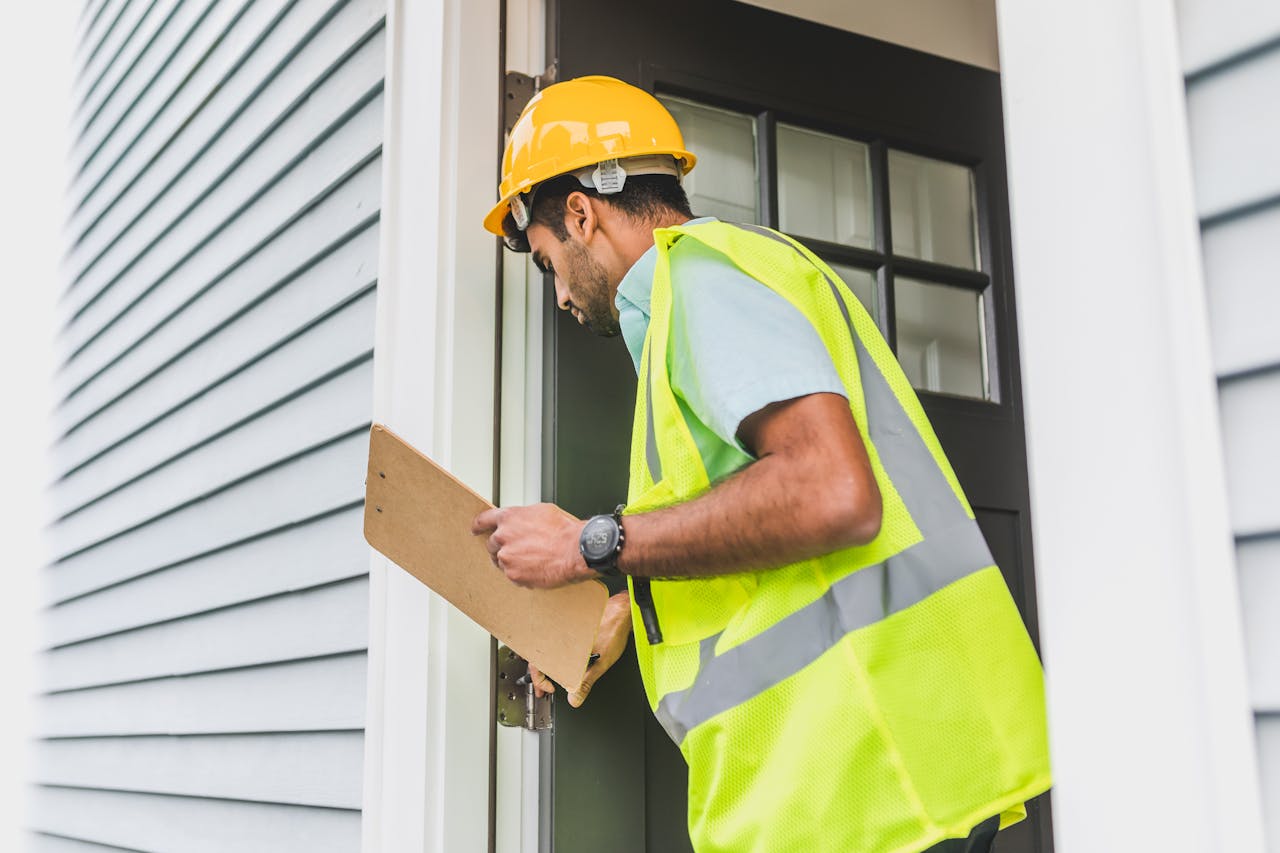


Finished garages have become increasingly popular in Stittsville and Nepean. Many homeowners want their garage to feel like an extension of the home rather than a cold storage space. It’s easy to understand the appeal:
- Clean drywall instead of exposed framing
- Painted walls and finished ceilings
- Better lighting and flooring upgrades
- Space for a workshop or home gym
- A more polished, “complete” look
But during inspections across Stittsville and Nepean, I’ve learned something important:
A finished garage can introduce risks that homeowners and buyers rarely consider.
Garages are not designed to behave like living spaces. They are transitional zones — spaces that contain vehicles, combustion fumes, temperature extremes, moisture, and chemical storage. When garages are finished without careful attention to ventilation, air sealing, fire separation, and moisture control, problems can develop quietly over time.
In this long-form guide, I want to explain the hidden risks of finished garages in Stittsville and Nepean houses, what I look for during inspections, and why garages deserve more technical attention than most homeowners realize.
Garages Are Not Neutral Spaces
One of the biggest misconceptions is that a garage is just another room that can be upgraded with drywall and paint.
In reality, garages are fundamentally different from interior living spaces because they introduce unique exposures:
- Vehicle exhaust and carbon monoxide
- Gasoline vapours and stored chemicals
- Cold air infiltration in winter
- Moisture from snow melt
- Temperature swings that stress materials
- Air pressure differences that affect the whole home
A garage is one of the most chemically and mechanically active spaces in a house. Finishing it doesn’t remove those realities — it often hides them.
Risk #1: Carbon Monoxide and Air Migration Into the Home
One of the most serious hidden risks of finished garages is air migration.
Garages often contain:
- Vehicle exhaust
- Fuel vapours
- Lawn equipment emissions
- Solvent fumes
- Carbon monoxide residue
Even if a vehicle is only started briefly, gases can linger.
The danger comes when air pathways allow garage air to move into the living space.
In finished garages, I often find:
- Unsealed drywall penetrations
- Gaps around shared walls
- Poorly sealed doors between garage and home
- Air leakage through ceiling cavities
- HVAC pressure pulling garage air inward
A garage doesn’t need to smell like exhaust for gases to migrate. Small pressure differences can move air silently.
A finished garage that looks clean can still be a major indoor air quality risk if separation is incomplete.
Risk #2: Fire Separation Issues Hidden Behind Finishes
Garages require specific fire separation standards because they are high-risk zones for ignition.
Finished garages sometimes create a false sense of security because the drywall looks complete — but the real question is whether the separation is properly built.
During inspections, I often see:
- Missing fire-rated drywall on ceilings
- Improper sealing around electrical boxes
- Gaps where ducts or pipes pass into the home
- Open framing above garage doors
- Attic spaces connecting garage and house without barriers
Finishing a garage cosmetically does not guarantee proper fire protection.
A garage should be treated as a contained zone. When it isn’t, risk increases dramatically.
Risk #3: Moisture Accumulation From Snow Melt
In Stittsville and Nepean winters, garages deal with constant snow and ice melt.
Vehicles bring in:
- Snow buildup
- Slush runoff
- Road salt moisture
- Freeze-thaw cycles
When garages are unfinished, moisture can evaporate more freely.
When garages are finished with drywall, insulation, and sealed surfaces, moisture can become trapped.
This leads to:
- Damp drywall near floor level
- Mold growth behind finished walls
- Rot at bottom plates
- Rusting fasteners and framing connectors
- Persistent humidity buildup
Moisture problems in garages often stay hidden because homeowners don’t treat garages as moisture-sensitive environments.
Finished walls conceal the evidence.
Risk #4: Insulation That Creates Condensation Traps
Many finished garages include added insulation, especially in shared walls or ceilings.
Insulation is beneficial — but only when installed correctly with proper vapour control and airflow management.
In garages, insulation can create condensation traps because:
- Garages are colder than living spaces
- Warm air from the home migrates into the garage cavity
- Moisture condenses on cold surfaces
- Drying pathways are limited
I often find insulation installed without proper sealing, leading to:
- Damp batts
- Mold behind drywall
- Reduced insulation effectiveness
- Long-term structural moisture exposure
A garage is not heated like the home, so insulation behaves differently there.
Risk #5: Finished Garages Often Hide Structural Gaps
Garages commonly have framing transitions that are structurally complex:
- Large door openings
- Header spans
- Shared walls with living spaces
- Attic intersections
- Cantilevered rooms above garages
When garages are finished, these areas become concealed.
During inspections, I pay attention to:
- Cracks in garage ceilings
- Sagging drywall near door headers
- Uneven framing lines
- Signs of movement above garage openings
Garages experience structural stress differently than interior rooms, especially when rooms are built above them.
Finishing the garage can hide early warning signs.
Risk #6: HVAC Extensions Into Garages Create Serious Problems
One of the most concerning issues I see is HVAC supply vents extended into garages.
Garages should not be treated as conditioned living space unless specifically designed for it.
Improper HVAC integration can cause:
- Pressure imbalances pulling garage air into the home
- Exhaust gas distribution through ductwork
- Increased heating load strain
- Moisture movement into wall cavities
Even small duct leaks near garages can create pathways for contaminated air.
A finished garage should never compromise indoor air safety.
Risk #7: Electrical Modifications Done Informally
Finished garages often become workshops or gyms, leading homeowners to add:
- Extra outlets
- Heaters
- Lighting upgrades
- EV charging setups
- Power tools and circuits
In inspections, I often find:
- Overloaded circuits
- Improperly installed outlets
- Junction boxes hidden behind drywall
- Extension wiring added without long-term planning
- Inconsistent grounding in older setups
Garages are high-demand electrical zones. Finishing them often increases usage without upgrading systems appropriately.
Electrical risk grows quietly over time.
Risk #8: Garage-to-House Doors Are Often Weak Points
The door between the garage and the home is one of the most important separation points.
In finished garages, homeowners often focus on appearance and forget function.
I evaluate:
- Weatherstripping condition
- Door self-closing ability
- Proper sealing around the frame
- Fire rating suitability
- Draft pathways beneath thresholds
Even a small gap under this door can allow garage air into the home, especially when HVAC systems create negative pressure indoors.
A finished garage is only as safe as the door that separates it.
Risk #9: Rodent and Pest Pathways Hidden Behind Walls
Garages are common entry points for pests.
When garages are unfinished, entry points are easier to spot.
When garages are finished, rodents can enter wall cavities unnoticed, leading to:
- Insulation disturbance
- Droppings and contamination
- Chewed wiring
- Odours developing over time
Finished garages often hide pest pathways until damage becomes significant.
Risk #10: Finished Garages Can Mislead Buyers
From a buyer’s perspective, a finished garage looks like an upgrade.
But buyers rarely ask:
- Was it finished with proper fire separation?
- Was insulation installed correctly?
- Are there hidden moisture issues behind drywall?
- Are air leakage pathways sealed?
- Were electrical modifications done safely?
A finished garage can be a genuine improvement — or it can be a cosmetic layer hiding risks.
Inspections are where the difference becomes clear.
What I Look For During Garage Inspections in Stittsville and Nepean
When inspecting finished garages, I evaluate:
- Air sealing between garage and home
- Fire separation completeness
- Moisture behaviour near floor edges
- Insulation and vapour control strategy
- Door integrity and sealing
- Structural signs near large openings
- Electrical safety and load capacity
- Ventilation effectiveness
- Attic connectivity above garages
A garage is not just a room. It’s a boundary zone.
Final Thoughts: Finished Garages Require More Care Than Most People Realize
In Stittsville and Nepean, finished garages are increasingly common — but finishing a garage is not purely cosmetic.
Garages introduce unique risks:
- Air contamination
- Fire exposure
- Moisture accumulation
- Structural stress zones
- Electrical demand increases
A properly finished garage can be safe and functional.
But a poorly finished garage can quietly compromise the home’s health, safety, and durability for years.
The key is understanding that garages are different.
And during inspections, I treat them that way — because the hidden risks are real, even when the drywall looks perfect.