
Buying a home involves making countless important decisions. Buyers often spend weeks comparing neighbourhoods, researching schools, reviewing listings, and carefully evaluating every room inside a property. They pay close attention to kitchens, bathrooms, flooring, and backyard space because these are the areas they see and use every day.
One part of the home, however, is rarely discussed during a showing and is often overlooked completely—roof ventilation.
Most buyers never think about what is happening beneath the roof unless they notice a leak. In reality, roof ventilation plays a significant role in protecting the home throughout every season. It affects the roof’s performance, attic conditions, moisture control, energy efficiency, and even the lifespan of several important building components.
After performing home inspections throughout Ottawa, Kanata, Stittsville, Barrhaven, Nepean, Orleans, Rockland, Kemptville, Arnprior, Carleton Place, and Cornwall, I have learned that evaluating roof ventilation is one of the most valuable parts of a thorough home inspection.
A properly ventilated roof system quietly does its job year after year. When ventilation is inadequate, however, small issues can gradually develop into larger maintenance concerns.
If you’re searching for Home Inspection Ottawa, Home Inspection Near Me, Home Inspection Cost, Home Inspections Ontario, or Best Home Inspector Ottawa, here’s what I believe every buyer should understand about roof ventilation before closing.
What Is Roof Ventilation?
Roof ventilation is the system that allows air to circulate through the attic space beneath the roof.
Its primary purpose is to help regulate temperature and moisture levels inside the attic.
A properly functioning ventilation system allows fresh air to move through the attic while helping excess heat and moisture escape.
Although it isn’t something homeowners see every day, roof ventilation works continuously throughout the year to support the home’s overall performance.
Why Roof Ventilation Is So Important
Many buyers assume the roof’s only responsibility is keeping rain and snow outside.
While that is certainly one of its primary functions, the roof also depends on proper ventilation to help maintain healthy attic conditions.
Good ventilation helps support:
- Roof longevity
- Moisture control
- Indoor comfort
- Energy efficiency
- Attic performance
When ventilation performs well, many potential issues are reduced before they have an opportunity to develop.
Ottawa’s Climate Places Extra Demands on Roof Systems
Homes throughout Ottawa experience dramatic seasonal weather changes.
Throughout the year, roofs are exposed to:
- Heavy snowfall
- Spring thaw
- Hot summer temperatures
- Humid conditions
- Strong rainstorms
- Freeze-thaw cycles
These changing conditions create ongoing stress on roofing systems.
Proper ventilation helps roofs perform more consistently regardless of the season.
My Inspection Begins Outside
Before entering the attic, I begin by evaluating the roof from the exterior whenever safely possible.
I inspect visible roofing components including:
- Roofing materials
- Roof vents
- Flashing
- Roof penetrations
- Gutters
- Downspouts
These observations provide important information before I evaluate the attic itself.
The Attic Reveals Valuable Information
The attic is one of the most informative areas of the home.
Many buyers never enter this space before purchasing.
During my inspection, I carefully evaluate:
- Roof sheathing
- Ventilation
- Insulation
- Structural framing
- Moisture indicators
- Signs of previous leaks
The attic often reveals conditions that cannot be seen anywhere else in the home.
I Look for Signs of Proper Airflow
One of my goals is determining whether the visible ventilation system appears capable of supporting healthy airflow throughout the attic.
Proper airflow helps reduce the buildup of:
- Excess heat
- Humidity
- Condensation
Balanced ventilation helps protect both the roof structure and the insulation below.
Moisture Is One of My Biggest Concerns
Water doesn’t always enter a home through a roof leak.
Sometimes moisture develops because warm, humid indoor air reaches the attic and condenses on cooler surfaces.
During the inspection, I look for visible signs such as:
- Moisture staining
- Condensation
- Discolouration
- Damp surfaces
- Evidence of previous moisture
These observations help me understand how the attic has performed over time.
Roof Sheathing Can Tell the Home’s Story
The underside of the roof often provides valuable clues about the home’s history.
I carefully inspect visible roof sheathing for observations involving:
- Moisture
- Discolouration
- Surface condition
- Previous repairs
These details help me better understand whether the attic has experienced ventilation or moisture-related concerns.
Insulation and Ventilation Work Together
Many buyers think insulation alone keeps a home comfortable.
While insulation is important, it works best when paired with effective ventilation.
During my inspection, I evaluate visible insulation for:
- General coverage
- Uniformity
- Moisture indicators
- Areas where insulation appears disturbed
The relationship between insulation and ventilation contributes significantly to the home’s overall energy performance.
I Inspect Around Roof Penetrations
Every opening through the roof deserves careful attention.
These commonly include:
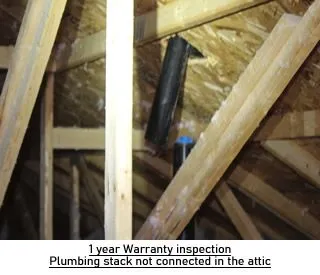
- Plumbing vents
- Exhaust vents
- Chimneys
- Skylights
I inspect visible areas around these components because they represent locations where moisture management is especially important.
Ventilation Helps Protect Roofing Materials
Roofing materials naturally age over time.
Proper attic ventilation helps reduce unnecessary stress caused by excessive heat and moisture beneath the roof.
Supporting healthy attic conditions contributes to the long-term performance of the entire roofing system.
Winter Can Reveal Ventilation Problems
Ottawa winters create conditions that make attic ventilation especially important.
Warm indoor air naturally rises.
If that warm air reaches the attic without proper ventilation, moisture may develop on cooler surfaces.
During winter-related inspections, I pay close attention to observations that may indicate previous seasonal moisture accumulation.
Understanding these conditions helps buyers prepare for future maintenance.
Summer Heat Also Affects the Roof
Roof ventilation isn’t only important during winter.
During hot summer months, attic temperatures can become extremely high.
Proper airflow helps reduce excessive heat buildup beneath the roof.
Supporting balanced attic temperatures contributes to overall home comfort while reducing unnecessary stress on roofing materials.
Every Roof Is Different
No two homes have identical roof systems.
Ventilation depends on several factors including:
- Roof design
- Roof slope
- Roofing materials
- Attic layout
- Ventilation components
- Age of the home
Rather than making assumptions, I evaluate each property based on its own visible construction and condition.
Roof Ventilation Is Part of a Complete Home System
One thing I always explain to buyers is that roof ventilation doesn’t work independently.
It works together with:
- Insulation
- Air sealing
- Roof drainage
- Exterior construction
- Heating and cooling systems
Understanding how these systems interact provides buyers with a much better understanding of the home as a whole.
I Explain My Findings Clearly
Roof ventilation can seem technical, especially for first-time buyers.
Whenever I identify observations, I explain:
- What I observed
- Why it matters
- Whether routine maintenance may be appropriate
- What buyers should monitor after moving in
My goal is to provide practical information that’s easy to understand.
Every Home Requires Ongoing Maintenance
Even homes with excellent roof ventilation require regular maintenance.
Homeowners should expect to:
- Monitor roof condition
- Maintain gutters
- Watch for signs of moisture
- Schedule routine inspections
- Address maintenance items promptly
Understanding these responsibilities helps buyers prepare for successful long-term homeownership.
I Encourage Buyers to Attend the Inspection
Whenever possible, I encourage buyers to attend the inspection.
Walking through the attic together allows me to explain:
- How roof ventilation works
- Why insulation matters
- What I observed
- How routine maintenance helps protect the roof
Many buyers tell me this becomes one of the most educational parts of the entire inspection.
Experience Makes a Difference
After inspecting hundreds of homes throughout Ottawa and the surrounding communities, I have developed a strong understanding of the attic and roof ventilation conditions commonly found in homes of different ages and construction styles.
Experience helps me recognize:
- Moisture indicators
- Ventilation observations
- Roofing concerns
- Insulation issues
- Maintenance opportunities
Most importantly, it allows me to explain these findings in practical language that buyers can confidently understand before making one of the biggest investments of their lives.
Roof Ventilation Is an Investment in the Future
One of the reasons I spend so much time evaluating roof ventilation is because it affects the home long after closing.
Proper ventilation supports:
- The roof structure
- Attic performance
- Indoor comfort
- Moisture control
- Long-term maintenance planning
Helping buyers understand these systems today often reduces unexpected surprises in the future.
Final Thoughts
Roof ventilation may be hidden from view, but it plays a vital role in protecting your home throughout every season.
A thorough home inspection evaluates not only the visible roofing materials but also the attic conditions, ventilation, insulation, and moisture indicators that help determine how well the roof is performing.
If you’re searching for:
- Home Inspection Ottawa
- Home Inspection Near Me
- Home Inspection Ottawa Cost
- Home Inspection Cost
- Best Home Inspector Ottawa
- Home Inspections Ontario
remember that buying a home isn’t just about choosing the right layout or neighbourhood.
It’s also about understanding the systems working behind the scenes to protect your investment.
Because when you understand the condition of the roof and its ventilation before closing, you can move into your new home with greater confidence, realistic expectations, and a stronger understanding of how to protect your investment for years to come.