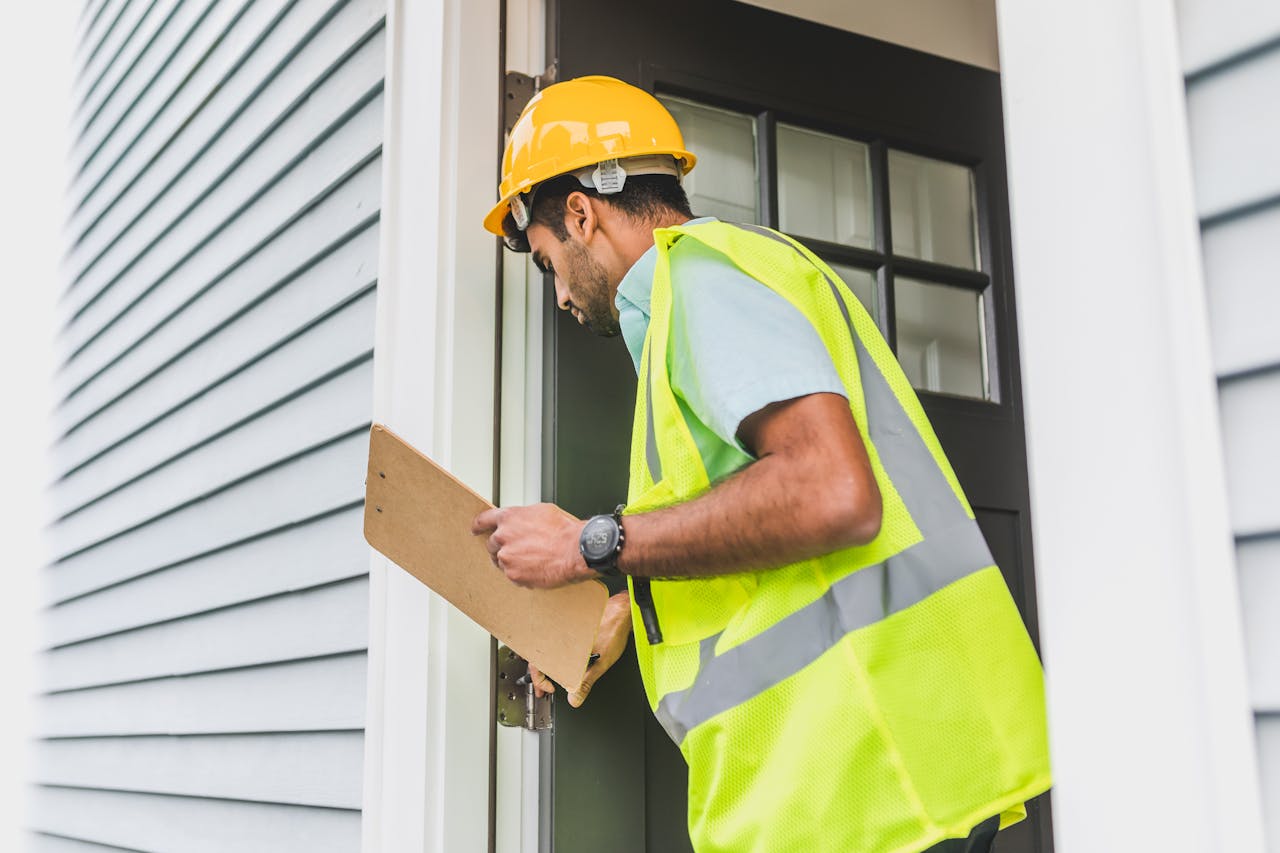


When buyers walk around a property for the first time, they usually notice the landscaping, driveway, gardens, backyard, and overall curb appeal. They picture summer barbecues, children playing outside, or relaxing on the deck after a long day.
What many buyers don’t notice is something that can have a significant impact on the long-term condition of the home—the way the ground slopes around the property.
This is known as exterior grading, and while it may not seem as exciting as a renovated kitchen or a finished basement, it plays one of the most important roles in protecting a home from water damage.
After performing home inspections throughout Orleans, Nepean, Ottawa, Kanata, Stittsville, Barrhaven, Rockland, Kemptville, Arnprior, Carleton Place, and Cornwall, I have learned that proper grading is one of the simplest yet most effective ways to protect a home’s foundation, basement, landscaping, and exterior.
Unfortunately, it is also one of the most overlooked features by home buyers.
If you’re searching for Home Inspection Orleans, Home Inspection Nepean, Home Inspection Ottawa, Home Inspection Near Me, Home Inspection Cost, Home Inspections Ontario, or Best Home Inspector Ottawa, here’s why I always pay close attention to exterior grading during every inspection and why buyers should understand it before closing.
What Is Exterior Grading?
Exterior grading refers to the shape and slope of the land surrounding a home.
Its primary purpose is simple:
Move water away from the foundation.
Whenever it rains or snow begins to melt, water needs somewhere to go.
When grading is working properly, rainwater naturally flows away from the house.
When grading is poor, water may collect near the foundation, increasing the possibility of moisture-related issues over time.
While buyers often notice beautiful landscaping, I also pay attention to how that landscaping affects the movement of water.
Why Water Is Every Home’s Biggest Challenge
If there’s one thing I’ve learned after inspecting hundreds of homes, it’s that water has the potential to affect almost every major component of a property.
Over time, poor drainage may contribute to:
- Basement moisture
- Foundation deterioration
- Exterior damage
- Landscape erosion
- Damage to walkways
- Water entering window wells
- Soil movement around the home
Most of these issues don’t happen overnight.
They often develop slowly over many years.
That’s why identifying grading concerns before buying a home is so valuable.
My Inspection Starts Before I Reach the Front Door
The moment I arrive at a property, I’m already evaluating how the land is positioned around the home.
Before I even step inside, I observe:
- The overall slope of the lot
- The home’s position on the property
- Elevation changes
- Landscaping
- Surface drainage
- Low areas where water could collect
These observations help me understand how the property is designed to handle rainfall.
I Look for Areas Where Water May Collect
One of the first things I evaluate is whether there are locations where water appears likely to remain after rainfall.
I look for:
- Low spots in the yard
- Depressions near the foundation
- Areas of standing water
- Mud accumulation
- Soil erosion
- Uneven surfaces
Even if the inspection takes place during dry weather, these conditions often leave visible evidence.
Understanding these patterns helps buyers appreciate how the property may perform during heavy rain or spring snowmelt.
Proper Grading Protects the Foundation
The foundation supports the entire home.
One of its biggest long-term challenges is managing moisture.
When water repeatedly collects beside the foundation, it increases the amount of moisture surrounding the home.
During my inspection, I carefully evaluate whether the visible grading appears to encourage water to move away from the structure.
Good grading helps reduce long-term moisture exposure and supports the overall condition of the foundation.
I Compare the Exterior With the Basement
One of the advantages of a complete home inspection is that I can compare what I observe outside with what I find inside.
After evaluating the grading, I inspect the basement for observations such as:
- Moisture staining
- Efflorescence
- Damp areas
- Previous repairs
- Visible water intrusion
- Foundation observations
These findings help create a more complete picture of how the property has managed water over time.
Landscaping Can Affect Drainage
Beautiful landscaping certainly improves curb appeal.
However, landscaping also influences how water moves around the property.
During the inspection, I evaluate features such as:
- Garden beds
- Decorative stone
- Trees
- Shrubs
- Retaining walls
- Mulch placement
Sometimes landscaping helps improve drainage.
Other times, it unintentionally directs water toward the home.
Understanding this relationship is an important part of the inspection.
Downspouts Work Together With Grading
Exterior grading isn’t the only system managing water.
The home’s gutters and downspouts also play an important role.
I inspect:
- Downspout locations
- Water discharge areas
- Signs of erosion
- Splash patterns
- Areas where runoff returns toward the home
Even properly sloped grading cannot perform effectively if roof water isn’t being directed away from the foundation.
Every part of the drainage system works together.
Window Wells Deserve Special Attention
Basement window wells are another area I inspect carefully.
I’m looking for:
- Proper drainage
- Debris accumulation
- Standing water
- Soil movement
- General condition
Poor grading around window wells can allow water to collect beside basement windows during heavy rainfall.
This is one reason these areas deserve careful evaluation before closing.
Driveways and Walkways Influence Water Movement
Hard surfaces affect the direction rainwater travels.
During my inspection, I observe:
- Driveway slope
- Walkway grading
- Surface settlement
- Water flow patterns
Improper slopes may encourage water to move toward the house rather than away from it.
Recognizing these patterns helps buyers understand the property’s overall drainage performance.
Soil Changes Over Time
One thing many homeowners don’t realize is that grading isn’t permanent.
Over the years, soil naturally changes due to:
- Weather
- Freeze-thaw cycles
- Heavy rainfall
- Landscaping work
- Normal settlement
A property that originally drained well may eventually require grading improvements.
Understanding this helps buyers appreciate why periodic exterior maintenance is important.
Every Property Is Different
No two homes manage water in exactly the same way.
Drainage depends on factors such as:
- Lot size
- Elevation
- Soil type
- Foundation design
- Neighbouring properties
- Landscaping
- Roof design
Rather than comparing one home to another, I evaluate how each individual property appears to perform based on its own visible characteristics.
Preventative Maintenance Makes a Big Difference
One of the most valuable things buyers can learn is that many drainage concerns are manageable through routine maintenance.
Examples include:
- Keeping gutters clean
- Monitoring grading
- Maintaining downspouts
- Clearing drainage pathways
- Watching for standing water after storms
Simple maintenance performed consistently often helps prevent much larger repairs later.
I Explain What I See in Plain Language
Exterior grading can sound technical, but it doesn’t have to be.
Whenever I identify observations, I explain:
- What I noticed
- Why it matters
- Whether maintenance may be appropriate
- What homeowners should monitor moving forward
My goal is to help buyers understand the home—not overwhelm them with technical terminology.
Every Home Requires Ongoing Maintenance
Even homes with excellent grading require regular attention.
Homeownership naturally includes:
- Seasonal inspections
- Drainage maintenance
- Landscaping adjustments
- Gutter cleaning
- Monitoring how water moves after storms
Understanding these responsibilities before purchasing helps buyers feel more prepared for long-term ownership.
Why I Encourage Buyers to Attend the Inspection
Whenever possible, I encourage buyers to attend the inspection.
Walking around the property together allows me to explain:
- How water should move
- Why grading matters
- What I observed
- How simple maintenance helps protect the home
Many buyers tell me this completely changes how they view the exterior of a property.
Instead of only seeing landscaping, they begin understanding how the land protects the house itself.
Experience Makes a Difference
After inspecting hundreds of homes throughout Orleans, Nepean, and the surrounding Ottawa area, I’ve developed a strong understanding of how local properties respond to Eastern Ontario’s changing weather conditions.
Experience helps me recognize:
- Drainage concerns
- Moisture indicators
- Foundation observations
- Landscape-related water issues
- Grading patterns
- Opportunities for preventative maintenance
Most importantly, it allows me to explain these observations in practical language that buyers can confidently understand before making one of the biggest investments of their lives.
Exterior Grading Is an Investment in the Home’s Future
One of the reasons I spend so much time evaluating grading is because it affects the home well beyond today’s inspection.
Proper drainage helps protect:
- The foundation
- The basement
- Exterior finishes
- Landscaping
- Structural components
- Long-term property value
Understanding how water moves around a property today can help buyers avoid unexpected maintenance issues in the future.
Final Thoughts
Exterior grading may not be the first feature buyers notice when viewing a home in Orleans or Nepean, but it is one of the most important elements protecting the property throughout every season.
A thorough home inspection helps buyers understand how rainwater and melting snow move around the home, whether the grading appears to be performing effectively, and what routine maintenance may help preserve the property’s condition for years to come.
If you’re searching for:
- Home Inspection Orleans
- Home Inspection Nepean
- Home Inspection Ottawa
- Home Inspection Near Me
- Home Inspection Ottawa Cost
- Home Inspection Cost
- Best Home Inspector Ottawa
- Home Inspections Ontario
remember that a professional home inspection goes beyond the walls of the home. It also evaluates the land the home sits on and how it works to protect one of the biggest investments you’ll ever make.
Because understanding exterior grading before closing gives you more than information—it gives you confidence that you’re making a well-informed decision before you receive the keys to your new home.