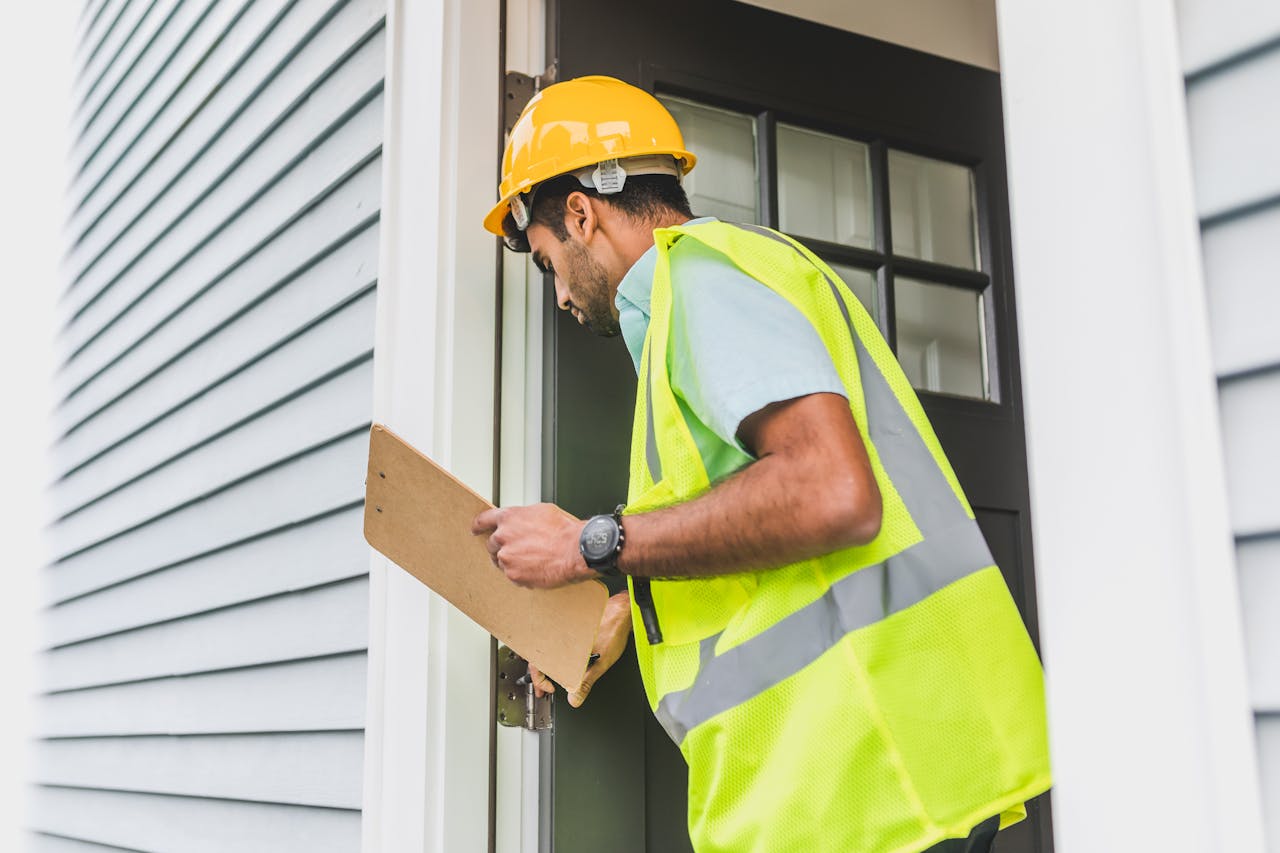


Buying a home is exciting, but receiving a home inspection report can sometimes feel overwhelming—especially for first-time buyers. It’s common to open the report, see dozens of observations, and immediately wonder if you’ve made the right decision.
One of the first things I tell my clients is this:
Every home has maintenance items.
Whether the home is brand new, ten years old, or over a century old, no property is completely free of observations. The purpose of a home inspection isn’t to find a perfect house. It’s to help buyers understand the property’s condition so they can make informed decisions before closing.
After performing home inspections throughout Stittsville, Ottawa, Kanata, Barrhaven, Nepean, Orleans, Rockland, Kemptville, Arnprior, Carleton Place, and Cornwall, I’ve learned that one of the most valuable things I can do is help buyers understand which repairs deserve immediate attention and which ones can be planned over time.
Not every item on an inspection report needs to be addressed immediately.
Some repairs are important to complete as soon as practical, while others simply become part of normal homeownership and future maintenance planning.
If you’re searching for Home Inspection Stittsville, Home Inspection Ottawa, Home Inspection Near Me, Home Inspection Cost, Home Inspections Ontario, or Best Home Inspector Ottawa, here’s how I help buyers understand the difference.
Every Home Inspection Report Includes Observations
One of the biggest misconceptions buyers have is expecting a completely clean inspection report.
That almost never happens.
Every inspection identifies observations because every home experiences:
- Normal aging
- Everyday wear
- Seasonal weather
- Ongoing maintenance needs
- Previous repairs
Finding observations isn’t a sign that something has gone wrong.
It’s simply part of understanding the home before you purchase it.
My Goal Is to Provide Perspective
When buyers first receive an inspection report, the number of observations can seem intimidating.
Rather than focusing on how many items are listed, I help buyers understand:
- Which items affect safety
- Which systems deserve closer attention
- Which repairs are routine
- Which maintenance tasks can be scheduled over time
Providing perspective is just as important as identifying the observations themselves.
I Help Buyers Focus on the Bigger Picture
No home should be judged by one isolated observation.
Instead, I evaluate how all of the home’s systems work together.
I consider:
- Structural condition
- Roofing
- Plumbing
- Electrical
- Heating and cooling
- Drainage
- Foundation
- Attic
- Exterior maintenance
Looking at the entire property helps buyers better understand its overall condition instead of becoming overly concerned about one individual item.
Immediate Attention Doesn’t Always Mean Major Repairs
Sometimes I identify observations that deserve prompt attention.
That doesn’t automatically mean they’re expensive or complicated.
Prompt attention simply means the item shouldn’t be ignored.
Examples may include visible concerns involving:
- Active water intrusion
- Certain electrical safety observations
- Significant plumbing leaks
- Roofing conditions allowing water entry
- Safety-related issues
Identifying these items early helps buyers understand the home before they become responsible for maintaining it.
Routine Maintenance Is Part of Homeownership
Many observations involve regular maintenance that every homeowner should expect.
Examples include:
- Replacing worn caulking
- Cleaning gutters
- Servicing HVAC equipment
- Adjusting doors
- Minor exterior repairs
- Replacing weatherstripping
These are normal responsibilities that help keep a home in good condition over time.
A report containing maintenance recommendations shouldn’t discourage buyers.
Instead, it provides a useful checklist for future care.
Future Planning Is Just as Important
One of the most valuable parts of a home inspection is helping buyers prepare for future expenses.
Many systems continue functioning well while showing normal signs of aging.
Examples include:
- Roofing materials
- Heating equipment
- Air conditioning systems
- Water heaters
- Exterior finishes
Even if replacement isn’t immediately necessary, understanding their condition helps buyers build realistic maintenance budgets.
Planning ahead often prevents financial surprises later.
I Carefully Evaluate the Roof
The roof is one of the home’s largest investments.
During every inspection, I evaluate:
- Roofing materials
- Flashing
- Roof penetrations
- Gutters
- Downspouts
- Visible signs of aging
Sometimes the roof simply requires routine maintenance.
Other times, certain observations deserve more immediate attention.
Helping buyers understand that difference allows them to prioritize wisely.
Water Always Gets My Attention
One of the first things I evaluate is moisture.
Water has the ability to affect multiple parts of a home if left unchecked.
During the inspection, I carefully inspect:
- Basements
- Attics
- Roof systems
- Plumbing areas
- Bathrooms
- Exterior drainage
Moisture-related observations are always explained carefully because understanding water management is one of the most important parts of protecting a home.
Foundations Require Context
Foundation observations often worry buyers more than almost anything else.
However, not every visible crack or imperfection indicates a serious structural concern.
During the inspection, I evaluate:
- Visible cracks
- Moisture indicators
- Signs of settlement
- Previous repairs
- Overall foundation condition
Rather than creating unnecessary concern, I explain what I observe and how those observations fit into the home’s overall condition.
Plumbing Observations Vary
Every plumbing observation deserves attention, but not every observation requires immediate repair.
I inspect visible plumbing components including:
- Supply lines
- Drain piping
- Fixtures
- Water heater
- Shut-off valves
- Visible leaks
Small maintenance items are discussed differently than observations that could affect the home’s operation or lead to additional damage if left unresolved.
Electrical Systems Deserve Careful Review
Electrical systems are among the home’s most important components.
During the inspection, I evaluate visible electrical features including:
- Electrical panel
- Receptacles
- Safety devices
- Visible wiring
- General installation
If I identify an electrical observation, I explain why it matters and how buyers should prioritize it.
Clear explanations help buyers understand the significance without unnecessary worry.
Heating and Cooling Equipment Requires Planning
Heating and cooling equipment naturally ages over time.
During the inspection, I assess:
- Furnace
- Air conditioner
- General operation
- Visible condition
- Installation observations
Even when equipment operates properly, buyers benefit from understanding its approximate stage of life so they can prepare for future maintenance or replacement.
The Attic Often Helps Determine Priorities
Many buyers never enter the attic before purchasing a home.
However, it often provides valuable information about:
- Roof performance
- Ventilation
- Insulation
- Moisture
- Air leakage
These observations help determine whether maintenance should be scheduled soon or simply monitored over time.
I Help Buyers Avoid Feeling Overwhelmed
One thing I’ve learned over the years is that buyers often focus on the number of findings instead of their importance.
A report containing forty maintenance observations may actually represent a well-maintained home.
Likewise, a report with only a handful of findings may still contain observations that deserve prompt attention.
That’s why I always explain priorities instead of allowing buyers to judge the report by its length.
My Report Is Meant to Be a Planning Tool
Many people think the inspection report is only useful before closing.
In reality, it becomes a valuable maintenance guide after moving in.
Homeowners often use it when:
- Planning repairs
- Scheduling maintenance
- Budgeting for future projects
- Monitoring aging systems
The report continues providing value long after the purchase is complete.
I Encourage Buyers to Ask Questions
Every buyer has different experience with homeownership.
Some have owned multiple homes.
Others are purchasing their very first property.
During every inspection, I encourage buyers to ask questions such as:
- Should this be repaired right away?
- Can this wait?
- What should I monitor?
- What maintenance should I expect each year?
These conversations often become the most valuable part of the inspection.
Every Home Requires Ongoing Care
One thing I always remind buyers is that homeownership doesn’t end on closing day.
Every property requires:
- Seasonal maintenance
- Routine inspections
- Preventative care
- Future upgrades
Understanding these responsibilities before moving in helps buyers feel more confident and better prepared.
Why Experience Makes a Difference
After inspecting hundreds of homes throughout Stittsville and the surrounding Ottawa area, I’ve developed a strong understanding of the types of maintenance items commonly found in homes of different ages and construction styles.
Experience helps me recognize:
- Moisture indicators
- Roofing observations
- Foundation conditions
- Plumbing concerns
- Electrical observations
- HVAC maintenance opportunities
- Drainage issues
Most importantly, experience allows me to explain which observations deserve immediate attention and which ones simply become part of responsible homeownership.
Confidence Comes From Understanding
A home inspection isn’t about creating fear.
It’s about replacing uncertainty with knowledge.
When buyers understand:
- The home’s strengths
- Routine maintenance responsibilities
- Future planning needs
- Repairs that deserve priority
they can move forward with confidence instead of guessing.
That confidence is one of the greatest values a professional home inspection provides.
Final Thoughts
Buying a home in Stittsville is a major investment, and understanding the inspection report is one of the most important steps before closing.
Not every repair needs to happen immediately, and not every observation should cause concern. A thorough home inspection helps buyers understand which items require prompt attention, which can be planned over time, and how to maintain the home successfully for years to come.
If you’re searching for:
- Home Inspection Stittsville
- Home Inspection Ottawa
- Home Inspection Near Me
- Home Inspection Ottawa Cost
- Home Inspection Cost
- Best Home Inspector Ottawa
- Home Inspections Ontario
remember that a professional home inspection isn’t just about identifying repairs.
It’s about helping you understand your future home, prioritize maintenance wisely, and make one of the biggest financial decisions of your life with confidence.
Because informed homeowners don’t simply react to repairs—they understand which ones matter most and when they should be addressed.