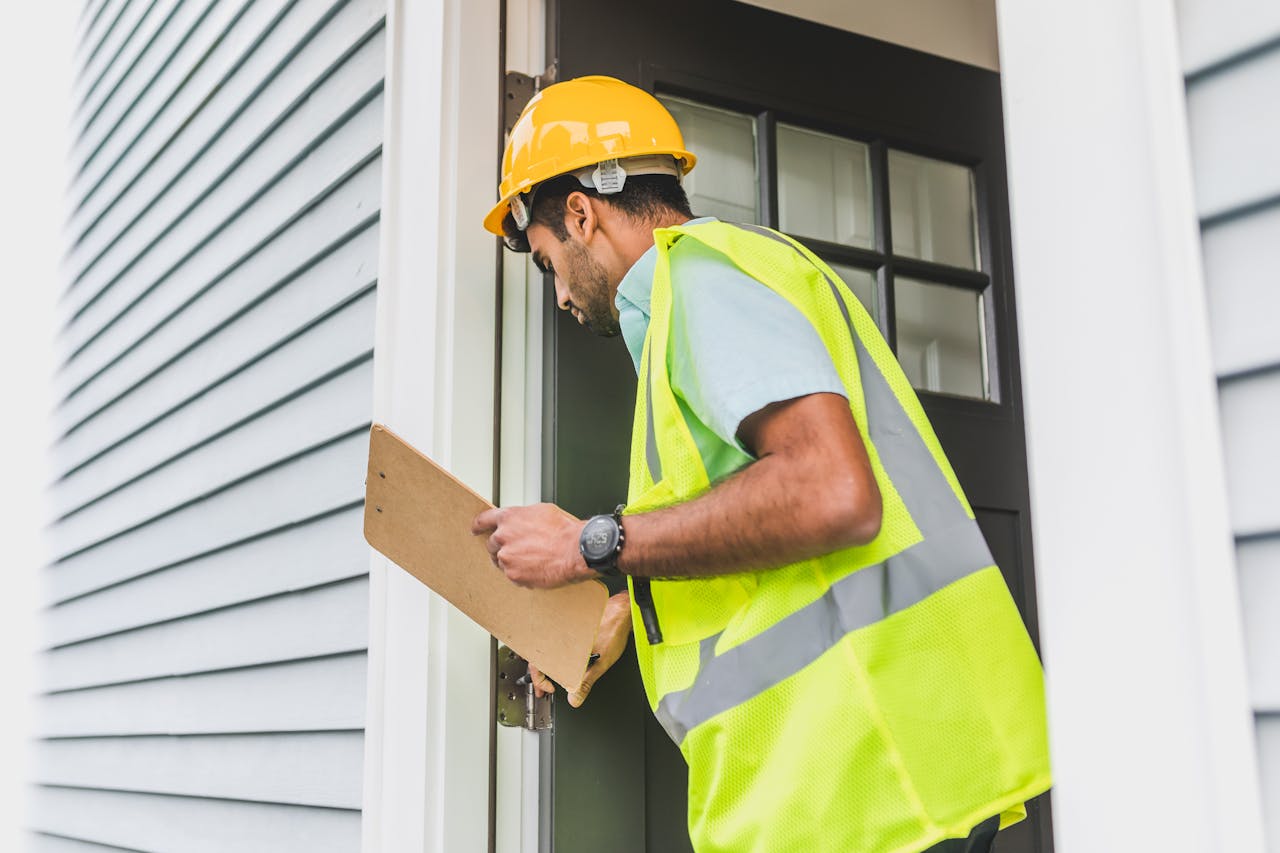


Buying a home in Barrhaven or Nepean is an exciting milestone, but the truth is this: the excitement can fade quickly if the home you purchased starts revealing problems you never expected. Over the years, I’ve inspected homes in both Barrhaven and Nepean that looked perfect on the surface but had major issues hiding underneath — moisture intrusion, structural weaknesses, aging systems, plumbing defects, foundation movement, and everything in between.
My job is to catch these issues before they become your surprise.
My responsibility is to help you understand exactly what you’re buying.
My goal is to prevent you from experiencing what so many homeowners call “buyer’s remorse.”
In this blog, I want to walk you through the exact ways I help home buyers in Barrhaven and Nepean avoid post-purchase regrets — not only by identifying problems during the inspection but by educating them, guiding them, and giving them the clarity they need to make confident decisions.
Barrhaven and Nepean: Two Communities, One Shared Risk
Barrhaven and Nepean are among the most desirable areas in Ottawa for families, professionals, and first-time buyers. They offer a mix of newly built homes, mid-century houses, large suburban layouts, and well-planned neighborhoods.
But with that comes a unique set of challenges:
In Barrhaven:
- Many homes were built during rapid development phases
- Some subdivisions have recurring drainage or grading issues
- Poor attic insulation is common in earlier builds
- Foundation cracks often appear from soil movement
- Certain neighbourhoods have clay-heavy soil that shifts seasonally
In Nepean:
- Older homes hide outdated wiring, insulation, and plumbing
- Additions and renovations often mask previous workmanship
- Aging HVAC systems are the norm
- Window and door air leakage is common
- Roofing systems vary widely in quality and condition
Every community has a pattern — and after inspecting hundreds of homes in these areas, I’ve learned exactly what problems to expect and where to look.
Step One: I Help My Clients Slow Down — Even When the Market Is Fast
The Ottawa market moves quickly, especially in suburban areas like Barrhaven and Nepean where families compete hard for space, location, and affordability. When the market is competitive, many buyers feel pressured to move fast.
But moving fast doesn’t mean you should move blindly.
I always remind my clients:
You’re not just buying a home — you’re buying everything behind the walls too.
Slowing down during the inspection process gives you the clarity to avoid regret later. My job is to take you out of the emotional mindset and into the informed mindset — without killing the excitement of buying your home.
Step Two: I Perform a Top-to-Bottom Inspection That Leaves Nothing to Guesswork
Every inspection I complete in Barrhaven or Nepean includes a detailed evaluation of all major systems. But experience has taught me which systems deserve extra attention in these areas.
Here’s exactly how I protect buyers from unexpected repairs and surprise costs.
1. The Foundation — The Most Important Structure Most Buyers Overlook
Barrhaven and Nepean both suffer from freeze-thaw cycles that stress foundations. I often find:
- Horizontal cracks
- Step cracks
- Water seepage
- Bowed foundation walls
- Poor exterior grading
- Settlement near garage slabs
- Shifting front steps from frost
Even a hairline crack can be a warning sign depending on its pattern, angle, and size. I look at:
- Where the crack is located
- Whether it widens
- Whether it matches soil movement patterns
- Whether moisture is present
- Whether structural movement is visible elsewhere in the home
Homeowners often don’t realize how expensive foundation problems can be. Catching them early prevents a world of stress later.
2. The Attic — The Hidden Space That Tells the Truth
Buyers rarely check the attic during showings, and that’s where many problems hide.
Here’s what I commonly find in Barrhaven and Nepean attics:
- Insufficient insulation
- Blocked soffit vents
- Mold from poor ventilation
- Signs of previous leaks
- Rodent activity
- Missing vapour barriers
- Air leakage from bathrooms or kitchens
- Wind-washed insulation near eaves
A poor attic can add thousands to heating bills and cause roof damage. When I open an attic hatch, I’m not just checking materials — I’m reading the story of how the home handles heat, cold, and moisture.
3. The Roof — A System, Not a Surface
Small roof mistakes cause big regrets.
During the roof inspection, I look for:
- Missing shingles
- Exposed nails
- Compromised flashing
- Poor soffit integration
- Incorrect ridge venting
- Wear around vent stacks
- Ice dam patterns
- Signs of previous patching
Even newer Barrhaven homes sometimes show early signs of premature shingle wear because of attic ventilation issues.
4. Electrical Systems — Especially Critical in Older Nepean Homes
Nepean’s older homes often contain:
- Undersized panels
- Aging wiring
- Two-prong outlets
- Shared neutrals
- Overloaded circuits
- Ungrounded systems
- Amateur renovations
Even homes that look modern on the surface can hide dangerous electrical setups behind finished walls.
Barrhaven’s newer homes tend to have better systems, but I still frequently find:
- Loose breakers
- Faulty GFCI outlets
- Incorrectly wired fixtures
- Poor panel labeling
- Overloaded kitchen circuits
Electrical safety is one of the biggest contributors to post-purchase regret, but also one of the easiest to prevent with a proper inspection.
5. Heating and Cooling Systems — The Lifeline of Ottawa Homes
Ottawa winters are cold. Barrhaven and Nepean homes often rely heavily on:
- Gas furnaces
- Heat pumps
- Central air units
- Supplementary heaters
I check:
- Age of the furnace
- Filter condition
- Heat exchanger wear
- Blower performance
- Duct leakage
- Airflow patterns
I also look for homes that are struggling to maintain temperature, which reveals:
- Insulation gaps
- Air leaks
- Undersized HVAC systems
- Poor zoning
A failing HVAC system is one of the most expensive surprises homeowners discover after moving in. Catching those issues early saves thousands.
6. Plumbing Issues — Especially in Mid-Century Nepean Homes
Plumbing is another common source of regret.
In Nepean, older homes often hide:
- Galvanized pipes
- Copper corrosion
- Cast iron drains showing wear
- Polybutylene piping in some older renovations
- Slow drainage
- Weak water pressure
In Barrhaven, I see more issues with:
- PVC piping not properly sloped
- Poorly glued joints
- Plumbing vents incorrectly installed
- Leaks from newer fixtures
- Laundry rooms plumbed poorly in basements
Even small leaks behind walls or vanities can cause major moisture problems — and winter makes these issues even more obvious.
Step Three: I Use Thermal Imaging to Catch What Others Miss
One of the biggest reasons buyers hire me is because thermal imaging allows me to detect:
- Moisture behind walls
- Missing insulation
- Heat loss
- Air infiltration
- Hidden attic problems
- Electrical hotspots
- Plumbing leaks
- Roof leak patterns
This technology removes guesswork. It shows temperature patterns that reveal hidden issues long before they grow visible.
In Barrhaven and Nepean, thermal imaging often exposes:
- Attic air leakage
- Basement moisture pockets
- Drafts around windows
- Hot electrical connections
- Cold floor spots from poor insulation
These are the kinds of problems homeowners only discover after they move in — unless they’re caught during an inspection.
Step Four: I Educate Buyers During the Inspection — Not Just After
One of the biggest mistakes buyers make is walking into a home and relying entirely on the final report without understanding how systems work.
So during the inspection, I:
- Encourage buyers to walk with me
- Explain what I’m seeing in real time
- Show them where the home is vulnerable
- Teach them how to maintain key systems
- Give them realistic timelines for future maintenance
- Clarify what issues are urgent vs. cosmetic
I don’t just point out problems — I turn the inspection into an education.
This helps buyers avoid future regret because they make decisions based on knowledge instead of assumption.
Step Five: I Help Buyers Prioritize — Not Panic
One thing I’ve learned over the years is this:
A long inspection report doesn’t mean a bad house.
Every home has issues — older homes, newer homes, renovated homes, untouched homes. My job isn’t to scare buyers away. My job is to distinguish:
- Normal wear and tear
- Simple maintenance items
- Moderate concerns
- Long-term planning items
- Immediate repairs
- Deal-breakers
Post-purchase regret often comes from buyers not understanding what matters most. I communicate that clearly.
For example:
Common low-priority issues:
- Minor caulking
- Small drywall cracks
- Gutter cleaning
- Cosmetic updates
- Minor settlement
Moderate concerns:
- Aging furnace
- Slow drainage
- Worn shingles
- Minor moisture in basement corners
High-priority or urgent concerns:
- Water intrusion
- Structural cracks
- Electrical hazards
- Dangerous deck structures
- Failing roof sections
- Mold in attic
- Foundation movement
When buyers know which issues actually matter, they avoid regret — because they know exactly what they’re agreeing to before buying the home.
Step Six: I Help Buyers Understand Costs — Before They Buy
Regret comes from unexpected expenses.
So I provide rough cost guidance for issues I find.
I help buyers prepare for:
- Short-term costs
- Long-term upgrades
- Maintenance planning
- Replacement timelines
When buyers know what to expect financially, the home feels manageable instead of overwhelming.
Step Seven: I Help Buyers Use Their Inspection Report Strategically
A good inspection report is more than information — it’s leverage.
I help buyers use it to:
- Negotiate repairs
- Request price reductions
- Ask for credits
- Set conditions
- Protect themselves legally
- Walk away if necessary
No one likes negotiating blind.
With a clear, detailed inspection report, buyers have the advantage — not the seller.
This alone has saved some of my clients thousands of dollars.
Real Examples: How I’ve Helped Barrhaven and Nepean Buyers Avoid Regret
Barrhaven: The Beautiful Home With a Hidden Roof Problem
A young couple fell in love with a home that looked freshly renovated. The roof looked fairly new, but thermal imaging revealed heat escaping into the attic from a poorly sealed bathroom vent. That vent was leaking moisture, causing early-stage mold.
Catching it early helped them negotiate a proper fix before buying.
Nepean: A Charming Older Home With Electrical Risks
An older home had a modern kitchen but outdated wiring behind the walls — something the buyers didn’t notice during the showing.
I identified:
- Ungrounded outlets
- Overloaded circuits
- Heat signatures from loose wiring
The buyers negotiated a price reduction to cover electrical upgrades.
Barrhaven: The Freezing Bedroom Mystery
A family noticed one bedroom was freezing compared to the rest. My inspection revealed missing insulation above that room — a common issue in certain Barrhaven subdivisions.
A simple fix saved them years of discomfort.
Final Thoughts: My Goal Is Simple — A Home You Won’t Regret Buying
My job isn’t just to run through a checklist.
It’s to protect your future.
I help buyers in Barrhaven and Nepean avoid regret by:
- Slowing down the process
- Seeing what others miss
- Explaining issues clearly
- Prioritizing what truly matters
- Identifying hidden problems
- Using the report strategically
- Eliminating surprises
A home doesn’t need to be perfect to be a great home.
But it does need to be understood.
My inspections give buyers the clarity to move forward confidently — knowing exactly what they’re buying, what they’ll need to maintain, and what they can expect in the future.
That’s how regret disappears and confidence begins.