

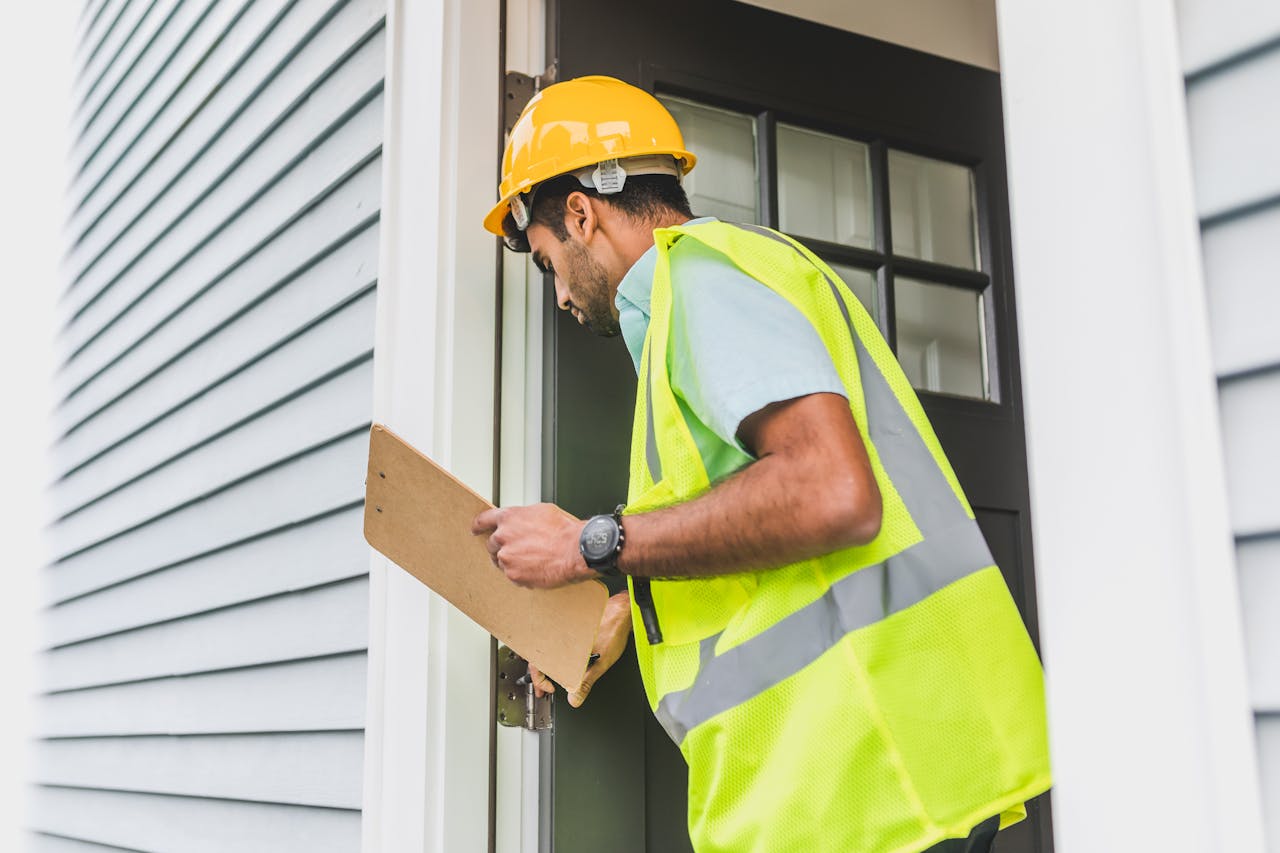
Most people assume that a newly built home in Ottawa is flawless — perfectly constructed, issue-free, and move-in ready. After all, everything is brand-new, untouched, and built according to modern standards. What could possibly go wrong?
After years of inspecting new construction homes across Ottawa, Kanata, Barrhaven, Stittsville, Riverside South, Orleans, Rockland, and Kemptville, I’ve learned that new doesn’t always mean perfect. In many cases, new homes hide defects that buyers don’t discover until months — or even years — after moving in. Some of these issues are minor and easy to correct. Others can lead to expensive repairs, energy inefficiencies, or premature wear on major systems.
In this blog, I’m going to share what I’ve learned from inspecting new construction homes in Ottawa — the patterns, the surprises, the common mistakes builders make, the quality gaps I repeatedly uncover, and the ways I help buyers protect themselves long before their warranty timelines expire.
If you’re planning to buy a new construction home, this is the guide you need before walking into your Pre-Delivery Inspection (PDI) or handing over your final payment.
New Construction Homes Have Their Own Set of Problems — Just Different Ones
People often ask me whether a new home needs an inspection at all. The answer is simple:
Every home needs an inspection — even brand-new ones.
New construction homes have issues that older homes typically don’t:
- Poorly installed insulation
- Missing caulking
- Improper grading around the foundation
- HVAC systems not functioning efficiently
- Loose wiring or unsecured electrical components
- Roof flashing installed incorrectly
- Drainage problems not visible until after the first rain
- Drywall cracks appearing weeks after possession
- Leaking plumbing connections
- Improper venting
- Appliances not installed to code
A home isn’t just a structure — it’s a complex system of plumbing, electrical, mechanical, and structural components. Even a small oversight during construction can create a major problem later.
Why New Homes in Ottawa Are More Vulnerable Than People Realize
Ottawa’s climate plays a huge role in how new homes behave in the first few years. When I inspect new construction properties, winter, humidity, soil conditions, and freeze-thaw cycles all influence what I find.
Clay soil and settlement
Many new Ottawa subdivisions sit on clay-heavy ground. As the soil shifts and compacts, I often see:
- Foundation hairline cracks
- Settling around walkways and driveways
- Grading sloping toward the house instead of away
- Gaps forming around windows and doors
Settlement is normal — but improper preparation during construction can magnify it.
Moisture problems despite modern materials
New homes are built tightly for energy efficiency, but that can create moisture traps. Without proper ventilation:
- Attics accumulate condensation
- Bathrooms trap humidity
- Mold forms in corners
- Windows drip excessively in winter
These problems appear shockingly fast.
Inconsistent workmanship due to tight construction schedules
During peak building seasons, crews often rush. I see:
- Misaligned framing
- Missing insulation in random sections
- Fasteners used incorrectly
- Loose plumbing supports
- HVAC ducts poorly sealed
The pressure to meet deadlines is real — and it shows in the final product.
The Most Common Issues I Find in New Construction Homes in Ottawa
Here’s what I’ve learned from hundreds of new home inspections.
1. HVAC Systems Often Don’t Meet Real-World Performance
Nearly every new construction home has an HVAC system that looks brand-new but doesn’t perform optimally.
I frequently find:
- Duct leakage that wastes heated or cooled air
- Poor airflow to certain rooms
- Undersized return vents
- Improperly sealed duct joints
- Thermostats installed in poor locations
- Loose condensation drain lines
I once inspected a new home in Stittsville where the furnace had never been tested under full load. Once winter hit, the owners discovered uneven heat across the home. The solution ended up requiring duct modifications — something easily prevented with proper inspection.
2. Attic Insulation Is Rarely Installed Correctly
Attic problems are one of the most common issues in new homes — even though the insulation is brand new.
I often find:
- Large areas of missing insulation
- Insulation not spread evenly
- R-Value far below what was promised
- Blocked soffit vents
- Moisture accumulation even before homeowners move in
- Venting pipes not properly sealed
During one inspection in Riverside South, half the attic had entire sections with no insulation at all — the insulation crew simply hadn’t finished the job.
3. Exterior Grading Is Often Incorrect or Incomplete
Proper grading makes or breaks a foundation.
In new construction homes, grading problems include:
- Soil sloping toward the home, not away
- Low spots that collect water near the foundation
- Insufficient final grading
- High water table areas not properly prepared
These issues lead to:
- Basement leaks
- Foundation cracks
- Moisture intrusion
- Premature sump pump failures
The exterior of the home needs just as much attention as the interior.
4. Roof Installation Errors Are Surprisingly Common
Even new roofs can be flawed.
I see:
- Improperly installed flashing
- Stapled shingles instead of nailed
- Gaps in underlayment
- Ridge vents cut incorrectly
- Nails driven too deep or too shallow
- Missing drip edge
- Unsealed roof penetrations
One home in Kanata had roof vents that weren’t even secured. They were installed loosely and lifted in the wind — an instant leak hazard.
5. Windows and Doors Are a Major Source of Heat Loss
Even in new homes, the installation can be sloppy.
I often find:
- Poor air sealing around frames
- Insufficient insulation around window openings
- Caulking missing or poorly applied
- Drafts around sliding doors
- Misaligned sill plates
In Ottawa winters, these defects become painfully obvious the moment the temperature drops.
6. Plumbing Issues That Hide Until the First Shower or Laundry Load
Just because plumbing is new doesn’t mean it’s correct.
The most common issues include:
- Loose drain connections
- Hot water tanks not set to proper temperature
- PEX piping not properly supported
- Plumbing vents incorrectly installed
- Slow drainage due to construction debris inside pipes
- Leaking toilet seals
I once found a brand-new dishwasher that wasn’t even connected to the drain line. The first time the owner used it, water poured into the basement.
7. Electrical Work Is Often Safe — But Imperfect
Most new homes pass electrical code, but that doesn’t mean everything is flawless.
I find:
- Loose breakers
- Improper labeling
- Open ground connections
- Over-tightened cable clamps
- Missing GFCI outlets in the right zones
- Junction boxes buried behind drywall
One home in Barrhaven had a wire pinched behind a freshly installed electrical panel. It would have shorted out eventually.
8. Cosmetic Issues That Point to Bigger Problems
Some defects look minor but hint at larger issues:
- Cracking drywall from improper framing spacing
- Nail pops showing movement in trusses
- Uneven floors indicate subfloor problems
- Gaps at baseboards hint at settling
- Drafts indicate missing insulation behind walls
Cosmetics matter — not because of appearance, but because they’re symptoms.
Why Rushed Construction Leads to More Mistakes
Builders face intense pressure, especially in fast-growing Ottawa neighborhoods. Demand is high. Timelines are strict. Subcontractors rotate through dozens of homes each month. And each trade depends on the previous trade finishing on schedule.
Rushed work leads to:
- Missed steps
- Improper installations
- Skipped inspections
- Poor sealing
- Misaligned framing
- Incomplete insulation
- Limited testing of systems
The result? Homes that look finished — but aren’t fully functional.
How I Help New Construction Buyers Avoid Regret
Inspecting a new home isn’t about criticizing the builder — it’s about protecting the buyer.
Here’s how I help my clients.
1. I Perform a Full Inspection Before the PDI
The Pre-Delivery Inspection (PDI) is the walkthrough where buyers note cosmetic issues with the builder. But by that time, it’s often too late to document deeper mechanical or structural problems.
That’s why I inspect the home before the PDI.
This gives my clients:
- A list of defects to bring to the builder
- Proof of issues before possession
- Leverage for repairs
- Confidence that nothing is missed
Builders respond better when buyers show evidence.
2. I Use Thermal Imaging on Every New Home
New homes hide:
- Missing insulation
- Air leakage around framing
- Heat loss at headers
- Hidden moisture in basements
- Duct leakage behind drywall
Thermal imaging reveals all of it.
In fact, new construction homes often show more heat loss than older homes — because builders assume everything is sealed perfectly.
3. I Document Everything With Photos and Clear Explanations
My reports include:
- High-resolution photos
- Clear descriptions
- Severity ratings
- Repair recommendations
- Tarion warranty timelines
Buyers appreciate a report they can forward directly to the builder without confusion or pushback.
4. I Help Buyers Prioritize Issues for Warranty Claims
Ontario’s Tarion Warranty has specific timelines:
- 30-day
- 1-year
- 2-year
- 7-year structural
I tell buyers:
- What to fix immediately
- What to watch for
- What to claim under warranty
- What to test seasonally
Having a strategy protects the home long after move-in.
5. I Teach Buyers How to Protect Their New Home Long Term
New homes need maintenance too.
I educate buyers on:
- Proper humidity levels
- Furnace maintenance
- Attic checks each season
- Exterior grading adjustments
- Caulking schedules
- Duct cleaning timelines
Protecting a new home starts the day you move in.
Final Thoughts: A New Home Should Give You Peace of Mind — Not Hidden Surprises
Buying a new construction home in Ottawa is exciting. Everything is modern, clean, and untouched. But behind the fresh paint and brand-new finishes, real issues often hide — issues that can cost you thousands and compromise your home’s performance.
My goal isn’t to discourage buyers. My goal is to ensure that when you step into your new home, you feel confident, protected, and fully informed.
A new home should be a long-term investment you’re proud of — not a series of expensive surprises.
And that’s exactly why every new home deserves a thorough inspection.
