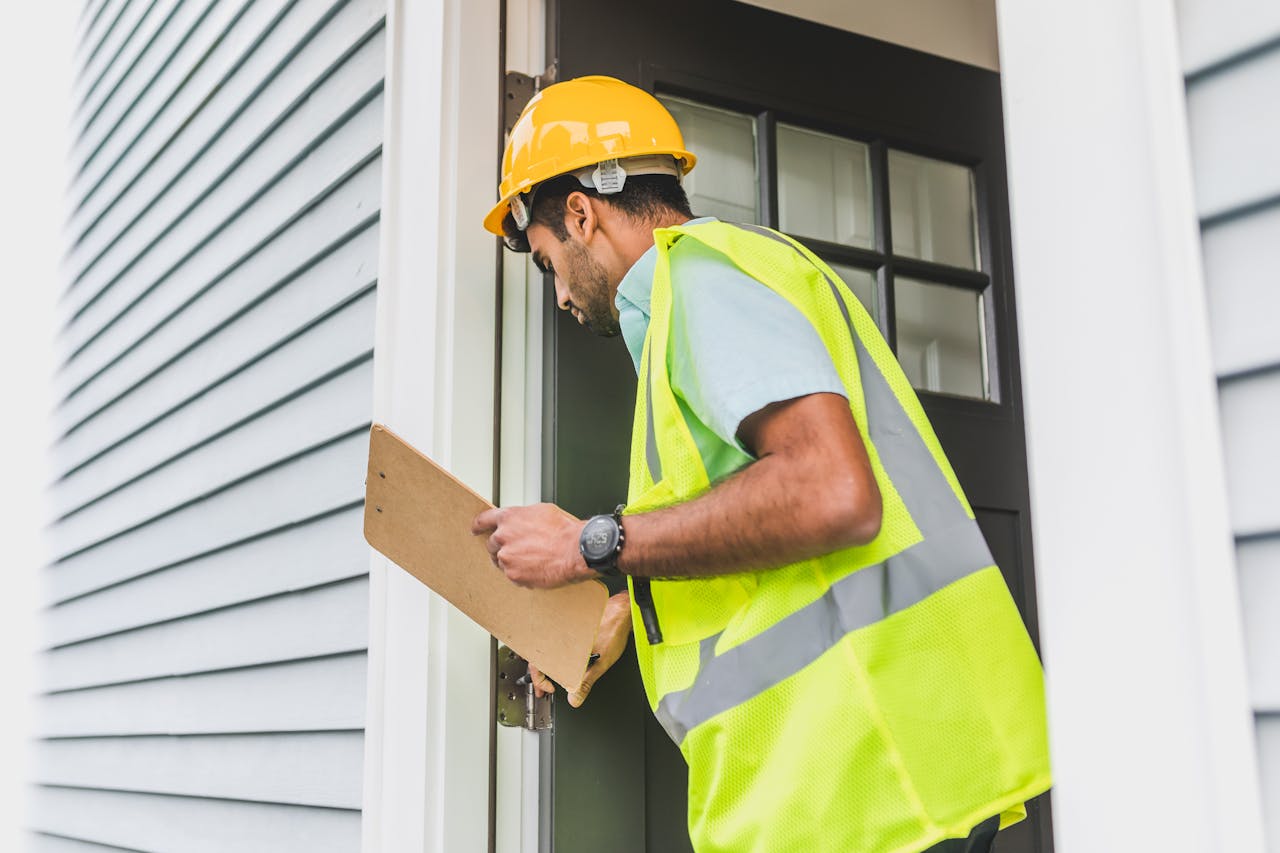

Most homeowners never think about their attic unless they’re storing old boxes or holiday decorations. It’s a forgotten space — quiet, hidden, and rarely visited. But after inspecting hundreds of homes across Ottawa, Orleans, Kanata, Barrhaven, Rockland, Arnprior, Cornwall, Kemptville, and Nepean, I’ve learned something important:
The attic controls the comfort, health, and efficiency of the entire home far more than people realize.
When attic ventilation is wrong — and I see it wrong far more often than right — every room in the house feels the consequences.
Poor ventilation isn’t just an attic problem.
It’s a whole-home problem.
Over the years, I’ve seen poorly ventilated attics cause:
- Higher energy bills
- Ice dams
- Mold growth
- Damp insulation
- Temperature imbalance
- Poor indoor air quality
- Early roof failure
- Moisture damage in ceilings and walls
- HVAC strain
- Cold drafts
- Overheating in certain rooms
- Condensation that becomes a long-term structural threat
Most homeowners never connect these issues to the attic — because the attic is out of sight. But when I inspect a home, poor attic ventilation becomes one of the most influential factors shaping the home’s overall performance.
In this long-form post, I want to walk you through the surprising, often invisible ways poor attic ventilation impacts every room in your home — and how I detect these problems during an inspection.
1. Poor Attic Ventilation Makes Your Entire Home Feel Too Hot or Too Cold
Temperature complaints are usually the first sign attic ventilation is failing — even though homeowners don’t realize the attic is to blame.
In Winter:
- Rooms beneath the attic feel cold
- Heat escapes faster than the furnace can replace it
- Ceiling surfaces stay cooler than they should
- Warm air rises and gets trapped in the attic
- Insulation becomes damp and loses performance
In Summer:
- Upper floors overheat
- AC runs constantly
- Bedrooms become uncomfortable
- Heat radiates downward through ceilings
- Attic temperatures exceed 50°C (122°F)
Why this happens:
Attic ventilation has one job: remove heat and moisture.
When ventilation fails, heat becomes trapped.
This trapped heat works its way back into the living spaces below, making rooms feel uncomfortable no matter how well the furnace or AC runs.
Good ventilation stabilizes temperatures.
Bad ventilation destabilizes the whole home.
2. Poor Ventilation Causes Hidden Moisture Damage in Ceilings and Walls
Moisture is the real enemy in attics — and ventilation is what prevents moisture from becoming a problem.
When attic ventilation is inadequate, moist air from inside your home gets trapped. This moisture:
- Condenses on cold roof surfaces
- Drips onto insulation
- Accumulates behind drywall
- Seeps into ceiling materials
- Causes blistering paint
- Creates stains that look like roof leaks
I’ve inspected homes with severe ceiling damage caused entirely by moisture buildup — not by roof failure. From the homeowner’s perspective, the roof looked like the culprit. But it was the attic that was silently causing the problem.
3. Poor Attic Ventilation Leads to Mold Growth That Spreads Beyond the Attic
Most attic mold problems begin in winter.
Warm indoor air rises, enters the attic, hits cold roof sheathing, and condenses. If that moisture has nowhere to escape, mold begins to colonize.
But the surprising part?
The mold doesn’t always stay in the attic.
Over time, mold spores can enter:
- Bedrooms
- Living rooms
- HVAC systems
- Basements
- Hallways
- Bathrooms
This happens through:
- Air leaks
- Recessed lighting penetrations
- Attic bypasses
- Unsealed ducting
- Uninsulated attic hatches
I’ve had clients complain about “mysterious allergies” or “a stale smell” — both often traced back to attic ventilation issues.
4. Poor Attic Ventilation Is the Fastest Way to Destroy a Roof (Even a New One)
Homeowners often assume roofs fail because of poor shingle quality or bad installation. But I’ve seen brand-new roofs severely damaged simply due to ventilation failures.
Here’s what poor ventilation does to your roof:
In Winter:
- Trapped heat melts snow unevenly
- Meltwater refreezes at the eaves
- Ice dams form
- Shingles lift under ice pressure
- Roof decking absorbs moisture
- Nails frost and drip moisture back into insulation
In Summer:
- Roof shingles “cook” from beneath
- Asphalt softens
- Granules shed prematurely
- Roof lifespan shortens by years
I’ve seen roofs installed less than five years ago already showing premature failure — all because the attic couldn’t breathe.
5. Poor Ventilation Creates Temperature Imbalance Between Rooms
One of the most common home-owner complaints I hear:
“One room is freezing and the rest are fine.”
“Our upstairs feels like a sauna in summer.”
“The kids’ bedrooms are always colder.”
“The main floor is perfect, but the upstairs is unbearable.”
This is often blamed on:
- The furnace
- The AC
- The ductwork
- The thermostat placement
But most of the time, these symptoms point directly to poor attic ventilation.
Why rooms vary in temperature:
- Heat rises into the attic and stays trapped
- Roof heat radiates downward
- Insulation becomes uneven due to moisture
- Airflow stagnates in certain channels
- Soffit vents get blocked by insulation
- Hot spots form above certain rooms
Attic ventilation problems create temperature problems — room by room.
6. Poor Attic Ventilation Causes Your Energy Bills to Skyrocket
When the attic is too hot or too cold, your HVAC system runs constantly to compensate.
You pay for:
- Furnace running longer
- AC working harder
- Heat pumps cycling more often
- Humidifiers battling moisture swings
- Dehumidifiers overcorrecting
The attic controls:
- Heat retention
- Heat escape
- Air distribution
- Energy efficiency
- Temperature stability
I’ve inspected homes where the only reason heating and cooling costs were out of control was poor attic ventilation — not furnace problems, not insulation, and not window issues.
Fix the attic, and energy bills drop immediately.
7. Poor Ventilation Can Damage Everything Stored in Your Attic
Homeowners often use their attics for storage without thinking about what environment those items are being exposed to.
Poor attic ventilation exposes stored items to:
- Extreme heat
- Rapid temperature swings
- Moisture
- Condensation
- Mold growth
- Humidity cycles
I’ve seen:
- Photo albums ruined
- Cardboard boxes dissolved from moisture
- Holiday decorations covered in mold
- Clothing destroyed
- Books warped
- Electronics corroded
The attic is not a climate-controlled environment — especially when ventilation fails.
8. Poor Ventilation Can Cause Indoor Air Quality Problems
Air doesn’t just stay where you think it stays.
It moves — constantly.
When attics trap heat and moisture, they create pressure imbalances inside the home.
This leads to:
- Musty odours entering living spaces
- Moisture migrating downward
- Poor air circulation
- Increased dust
- Pollutants accumulating in the home
- Drafts caused by air leakage
I’ve inspected homes where the air quality issues were caused entirely by poor attic airflow — not by carpets, pets, cooking, or ventilation fans.
9. Poor Attic Ventilation Can Stress Your Furnace and AC System
Your HVAC system isn’t designed to fight against attic heat or attic cold.
But when attic ventilation fails, it has no choice.
In Winter:
- The furnace runs longer
- Temperature sensors read inconsistently
- Air feels dry even at normal humidity levels
- Ducts passing through the attic become cold
In Summer:
- AC runs constantly
- Upper floors can’t cool down
- Return air gets overheated
- Equipment wears out faster
I’ve seen furnaces and AC systems fail prematurely because attic temperatures were forcing them to work far harder than necessary.
10. Poor Attic Ventilation Can Create Noise Problems Throughout the Home
This is one of the strange effects homeowners never expect.
When ventilation is poor:
- Attic air expands and contracts
- Roof sheathing bends
- Rafters creak
- Nails pop
- Trusses shift slightly
- Ductwork flexes with temperature
The results?
- Loud popping sounds in cold weather
- Creaking during warm days
- Thumping noises at night
- “Crackling” ceilings after temperature drops
- Humming sounds from attic fans working too hard
People often think their house is settling —
but really, the attic is speaking.
11. Poor Ventilation Makes Ice Dams Likely — Even with a Great Roof
Ice dams are one of the most damaging winter problems in Eastern Ontario.
They form because:
- Warm air leaks into the attic
- Snow melts unevenly
- Meltwater flows downward
- Water freezes at the eaves
- Ice blocks drainage
- Water backs up under shingles
Once attic heat builds up, snowmelt becomes constant — even in freezing temperatures.
When homes in Ottawa, Nepean, Orleans, and Kanata lose heat through the attic in winter, the roof essentially becomes a warm plate beneath the snow — the perfect environment for ice dam formation.
And once ice dams form, attic ventilation problems become even worse.
12. Poor Ventilation Can Even Ruin Your Attic Insulation
Insulation works only when it’s dry and fluffy.
Poor ventilation makes insulation:
- Damp
- Compressed
- Moldy
- Heavy
- Less thermally effective
- Cold in winter and hot in summer
Once insulation holds moisture, its R-value plummets.
I’ve inspected homes where insulation had lost 50–70% of its performance simply because the attic couldn’t breathe.
Most homeowners didn’t notice — until their energy bills soared.
13. Poor Attic Ventilation Makes the Whole Home Age Faster
Over time, a poorly ventilated attic accelerates wear across the entire structure.
You’ll see:
- Paint failure
- Ceiling damage
- Cracked plaster
- Wood expansion and contraction
- Mold in wall cavities
- Premature roof aging
- HVAC strain
- Window condensation
- Seasonal odors
A poorly ventilated attic affects every material in the home — not just the roof deck.
How I Detect Poor Attic Ventilation During an Inspection
When I enter an attic, I’m looking for more than moisture and insulation. I’m reading the entire ventilation system:
I check:
- Airflow through soffits
- Ridge vent function
- Gable vent restrictions
- Frost patterns
- Nail frost
- Dark staining on sheathing
- Mold rings
- Insulation displacement
- Moisture trails
- Temperature differentials
- Heat patterns using thermal imaging
- Air bypasses around pot lights
I also inspect:
- Bathrooms exhausting into the attic
- Improper baffles
- Blocked vents
- Bird nests
- Compacted insulation blocking airflow
- Unbalanced intake vs. exhaust
Poor ventilation becomes obvious once you know how to interpret the signs.
Final Thoughts: The Attic Controls More of Your Home Than You Think
Most homeowners underestimate how interconnected the attic is with every room in the house.
Poor attic ventilation can cause:
- Comfort issues
- Moisture damage
- Mold growth
- Roof problems
- HVAC strain
- High energy bills
- Structural decline
- Air quality deterioration
A well-ventilated attic creates:
- Stable indoor temperatures
- Lower utility bills
- Longer roof lifespan
- Healthy insulation
- Balanced humidity
- Better air quality
- A more comfortable home overall
Your attic may be out of sight — but it should never be out of mind.
And during every inspection I perform in Ottawa and the surrounding region, the attic remains one of the most revealing spaces in the entire home.