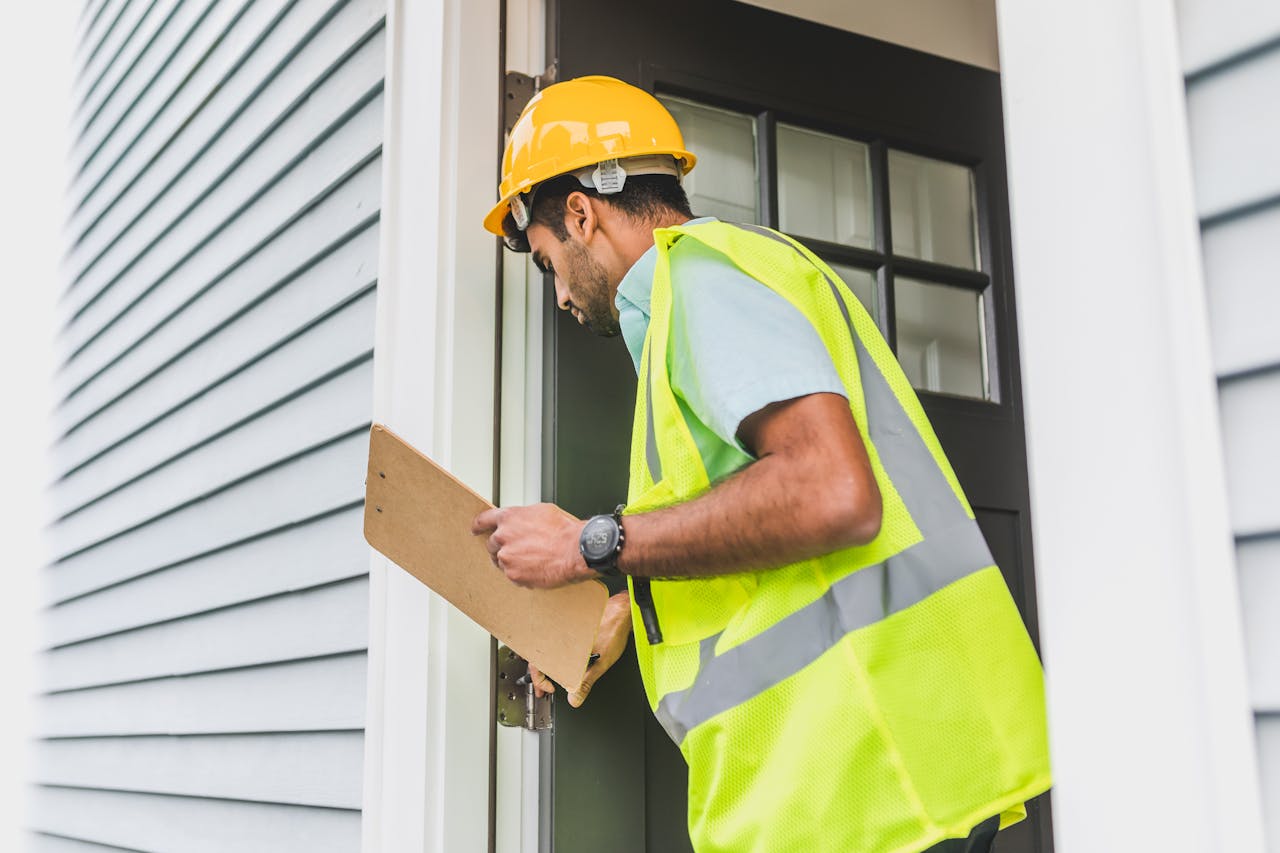


One thing I’ve learned from every single inspection is this:
DIY renovations leave fingerprints.
Some are harmless. Some are creative. Some are impressive.
But some are dangerous, poorly executed, or outright hidden.
When I walk into a home that’s been “updated,” “upgraded,” or “improved” by homeowners rather than licensed professionals, I know exactly where to look — and what stories those renovations are hiding.
A freshly painted wall tells me nothing.
But the trim around the wall? That’s where the truth is.
New tile might look beautiful.
But the grout lines and transitions tell a different story.
A brand-new bathroom can dazzle a buyer.
But the plumbing behind the wall can be a disaster waiting to happen.
DIY work is not always bad — I come across plenty of homeowners who take tremendous pride in their craft and follow proper techniques. But when DIY work goes wrong, it usually goes wrong in ways buyers don’t recognize.
My job is not to criticize homeowners who took on projects themselves.
My job is to spot the issues others overlook.
And in this long-form blog, I’m going to take you through exactly how I evaluate DIY renovations — and the red flags most buyers miss entirely.
1. The First Thing I Look At: The Transitions Between Materials
You can tell more about a DIY project by its transitions than its finishes.
When I enter a renovated home, I immediately scan:
- Where flooring meets tile
- Where trim meets drywall
- Where cabinets meet walls
- Where backsplashes meet countertops
- Where tubs meet tile
- Where ceilings meet walls
- Where two different flooring heights meet
Poor transitions tell me:
- There was no plan
- There was no professional measuring
- Work was done in a rush
- The homeowner didn’t understand expansion gaps
- The project was pieced together instead of built systematically
This is one of the smallest red flags — and one of the most reliable.
2. Flooring Patterns Reveal Skill Level Instantly
Floors are one of the easiest places for me to spot DIY work.
I look for:
Irregular spacing
Boards that tighten or widen as they travel across a room.
Hollow sounds
Caused by:
- Improper underlayment
- Floating floors installed incorrectly
- Glue failures
Peaking or cupping
Indicates:
- Moisture issues
- Lack of expansion room
- Subfloor irregularities
Unaligned seams
If seams meet in corners or cluster in lines, that’s amateur installation.
Baseboards cut inconsistently
Baseboard height differences tell me the floor wasn’t level.
Flooring tells me the truth faster than almost anything else.
3. Electrical Work: The Part Buyers Almost Never Catch
Roughly 50% of the DIY renovation problems I find involve electrical work — because buyers assume that “if the lights turn on, it must be fine.”
Not true.
Here’s what I look for:
Incorrect breakers
Breakers too large for the wire gauge is a massive red flag.
Mixed wiring types
Copper spliced to aluminum without proper connectors.
Older cloth wiring tied into modern circuits.
DIY additions branching from overloaded lines.
Backwards polarity
Hot and neutral reversed — common in DIY outlets.
Ungrounded three-prong outlets
A serious safety issue masked by a modern outlet cover.
Overstuffed junction boxes
A clear sign the work was done by someone who didn’t understand electrical spacing requirements.
Wire nuts missing or loose
Especially in basement ceilings or behind light fixtures.
No junction boxes at all
Just wires twisted together behind drywall — very common and very dangerous.
Electrical systems are one of the biggest risks in DIY renovations because electrical mistakes stay invisible until they cause a fire, shock, or system failure.
4. Bathrooms: The #1 Room Where DIY Mistakes Become Expensive
Bathrooms are the most unforgiving rooms to renovate improperly.
I check for:
Incorrect or missing waterproofing behind tile
Tile is not waterproof — the surface underneath must be. Many DIY renovations skip this step entirely.
Loose tiles or hollow sounds
This reveals poor adhesion or improper backer board.
Drain lines installed without proper slope
A DIY’er often misses this, leading to slow drainage or sewer odours.
Shower niches without waterproofing
These are mold factories waiting to happen.
Caulking used where grout should be
Or grout used where caulking should be — both wrong.
Improper toilet flange height
This leads to rocking toilets, leaks, and floor rot.
Ventilation mistakes
Exhaust fans venting into the attic instead of outdoors.
In a bathroom, even a small DIY error can turn into water damage worth thousands.
5. Kitchens: Great Looks Often Hide Functional Problems
Buyers love updated kitchens — shiny cabinets, stone counters, new flooring. But DIY kitchen work is extremely common and extremely revealing.
Here’s what I evaluate:
Cabinet alignment
If doors don’t line up, the installation wasn’t level.
Gaps behind the backsplash
A sign of poor wall prep or crooked countertops.
Improper dishwasher drainage
DIY drainage setups can cause hidden leaks.
Unsupported countertops
Especially heavy stone without brackets — dangerous and expensive.
Loose plumbing fittings under the sink
I see these constantly in DIY upgrades.
Improperly cut sink openings
Revealing jagged or unsealed edges.
Electrical shortcuts
- No GFCI protection
- Overloaded circuits
- Lighting wired incorrectly
Kitchens reveal whether the project was aesthetic versus structurally sound.
6. The First Red Flag of All: The Quality of the Paint Job
You wouldn’t think paint would reveal much, but it tells me everything.
I look at:
- Brush strokes on trim
- Roller marks on walls
- Paint overlapping onto the ceiling
- Tape lines still visible
- Drips on outlet covers
- Missed spots behind doors and fixtures
A sloppy paint job means a rushed renovation.
A rushed renovation often means deeper problems.
7. Trim Work Tells Me the Experience Level Instantly
Trim is one of the fastest ways to spot DIY craftsmanship.
I evaluate:
- Miter cuts
- Joint gaps
- Nail placement
- Caulking quality
- Height consistency
- Level alignment
Trim work exposes whether someone understood:
- Angles
- Wall irregularities
- Expansion
- Material behavior
I’ve walked into homes where the kitchen looked fantastic — but the baseboards told the real story.
8. Doors: A Perfect Indicator of Foundation or Installation Issues
Doors reveal two things simultaneously:
1. Whether the home is shifting
and
2. Whether the renovation was DIY
Red flags I look for:
- Doors that don’t latch
- Doors scraping the floor
- Uneven reveals (gaps around the door)
- Shims sticking out
- Hinges mismatched or over-tightened
- Doors installed backwards (yes, it happens)
Poor door installation often goes unnoticed by buyers — they assume it’s “just an old house.”
But it’s usually either a sloppy installation or something structural.
9. Basement Renos: The Most Common Place DIY Work Becomes Dangerous
Basements are where DIY work is most likely to cause long-term damage.
Here’s what I check closely:
Improper framing against concrete walls
No gap = moisture problems.
Insulation installed incorrectly
Vapor barriers backwards.
No insulation in rim joists.
Gaps around framing.
Moisture trapped behind walls
DIY’ers often seal moisture inside.
Illegal bedrooms
Basement bedrooms without proper egress windows — a major safety issue.
Low-quality plumbing additions
Sump pump line tapped incorrectly.
Improper drain tying.
Hidden electrical junctions
Basements hide more electrical shortcuts than any other part of the home.
Ceiling height violations
DIY’ers often ignore minimum height requirements when adding drywall over ductwork.
Basements tell the truth — and usually the truth is that the work was unpermitted or improvised.
10. Structural Modifications Made Without Permits
This is one of the most serious issues I uncover.
DIY renovators sometimes:
- Remove load-bearing walls
- Cut joists to run ductwork
- Notch beams incorrectly
- Remove supports in basements
- Add openings without reinforcement
- Install staircases improperly
- Add additions without structural calculations
Buyers often admire the open concept — but I’m assessing whether that open concept is being held up safely.
11. Plumbing Problems Hidden Behind Finished Work
Plumbing is an area where DIY projects go wrong fast.
I look for:
- Wrong piping materials
- Improper slope
- Unsupported pipes
- S-traps instead of P-traps
- Improper venting
- Loose compression fittings
- Plastic fittings used where metal is required
- Hidden leaks detected by thermal imaging
Most plumbing issues are invisible to buyers — until they turn into mold, odor, or water damage.
12. “Cover-Ups” — The Red Flags Buyers Never Expect
The most concerning DIY renovations hide evidence of:
- Previous leaks
- Foundation cracks
- Mold
- Rot
- Electrical shortcuts
- Structural movement
- Basement moisture
I look for signs like:
- Fresh paint on isolated wall sections
- New drywall in suspicious locations
- Baseboards recently replaced in specific areas
- Flooring changed only near exterior walls
- Single squares of replaced ceiling drywall
These aren’t always malicious — sometimes homeowners simply fix what they can.
But patchwork repairs often conceal deeper issues.
13. Cosmetic Flaws That Reveal Deeper Problems
A home doesn’t need to be perfect, but certain cosmetic flaws almost always indicate deeper issues.
Examples:
- Bubbled paint = moisture
- Cracking tile = subfloor problems
- Nail pops in new drywall = improper fastening
- Uneven counters = structural movement
- Gaps in flooring = moisture or temperature issues
Every cosmetic flaw has a structural story behind it.
14. How I Differentiate Between “DIY Good Enough” vs. “DIY Dangerous”
Not all DIY work is unsafe. Some homeowners do excellent work.
So here’s how I evaluate:
DIY Good Enough:
- Minor cosmetic flaws
- Slight unevenness
- Misaligned trim
- Small mistakes that don’t affect safety
- Imperfect tile but waterproof underneath
- Paint flaws
- Minor plumbing issues
DIY Dangerous:
- Electrical shortcuts
- Structural modifications
- Plumbing code violations
- Hidden junction boxes
- Improper waterproofing
- Mold concealed behind new materials
- Load-bearing walls removed incorrectly
My goal is not to judge craftsmanship — it’s to determine safety, durability, and long-term impact.
15. The Final Step: Listing All the Risks Buyers Don’t See
At the end of a home inspection, I explain the real story of the DIY renovation:
- What was done well
- What was done poorly
- What is unsafe
- What needs immediate correction
- What will fail later
- What affects resale
- What will become a financial burden
DIY renovations can add charm — but they can also add problems.
My role is to expose both.
Final Thoughts: DIY Renovations Are Never Just Cosmetic — They Leave Clues Everywhere
When buyers walk into a newly renovated home, they see:
- Fresh paint
- New flooring
- Modern lighting
- Updated bathrooms
- Bright kitchens
When I walk into the same home, I see:
- Electrical shortcuts
- Hidden moisture
- Structural concerns
- Poor planning
- Risks behind walls
- Safety issues hidden in plain sight
A DIY renovation isn’t good or bad by default — it depends on how it was done.
But one thing is certain:
DIY work leaves a trail — and I know exactly how to follow it.