

I’ve inspected hundreds of homes across Ottawa, Kanata, Stittsville, Nepean, Orleans, Rockland, Kemptville, Arnprior, Barrhaven, and Cornwall — and if there’s one lesson buyers learn too late, it’s this:
A home that looks perfect can still be one of the most expensive mistakes you ever make.
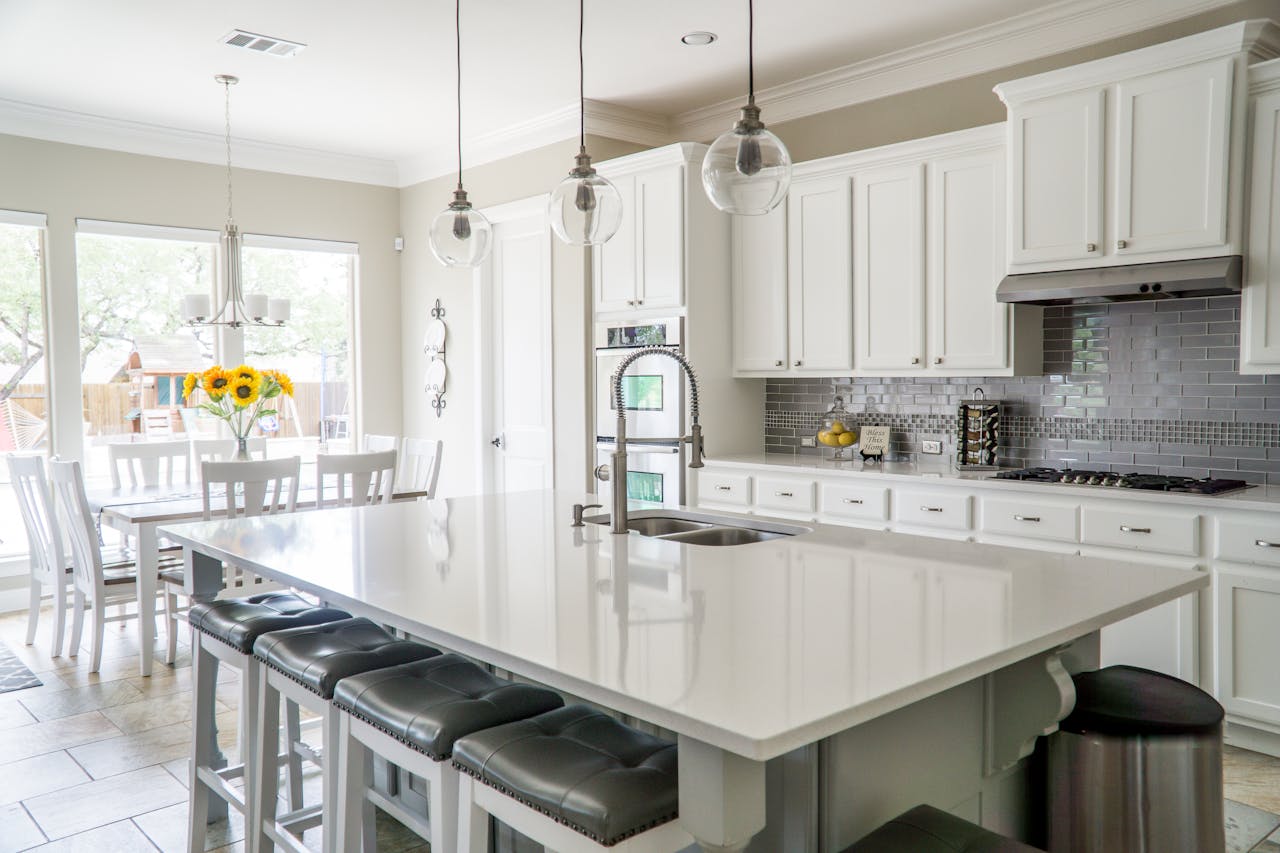
More than half of the major problems I discover are hiding behind freshly painted walls, new flooring, glossy kitchens, or immaculate staging. Many buyers assume that a clean, updated, beautifully decorated home must be structurally sound. But appearances are the easiest part of a home to manipulate. Paint and décor hide flaws, not fix them.
The truth is that cosmetic perfection tells me almost nothing about a home’s condition.
The real story exists behind the drywall, beneath the flooring, inside the attic, and at the foundation walls.
In this long-form guide, I’m sharing the most surprising, frustrating, and eye-opening examples from my own inspections — cases where homes that looked flawless on the surface turned out to be ticking financial time bombs.
These are the stories buyers never expect — until I show them what they missed.
The Home That Looked Like a Beautiful Reno — But the Basement Was a Disaster
One of the most common situations I encounter is the fully renovated home with a refinished basement that hides severe water problems.
A few years ago, I walked into a stunning semi-detached home in Barrhaven:
- Brand-new vinyl flooring
- Fresh drywall everywhere
- Recessed lighting
- Bright modern paint
- Carefully staged furniture
- Everything smelled new
From the buyer’s perspective, it was perfect.
From my perspective, it was too perfect.
The Red Flag
The moment I stepped into the basement, I noticed:
- The flooring was installed directly on the concrete
- The baseboards were slightly swollen at the bottom
- The drywall taping looked newer than the electrical outlets behind it
Something didn’t add up.
What I Found
Using thermal imaging, I detected:
- Moisture spreading along the bottom 6–8 inches of the exterior walls
- Temperature differences typical of seepage
- Signs of water retention under the flooring
- Mold growth beginning behind the lower drywall section
Then I checked the furnace and found rust lines that matched a prior flood.
The Truth Behind the Reno
The home had flooded the year before.
The sellers remodeled quickly — but they never fixed the foundation problem.
Estimated cost to repair: $18,000–$25,000.
Buyer avoided disaster: Yes — because of the inspection.
The Home With the “New” Roof That Was Installed Incorrectly
Roofing is one of the most misleading components. I’ve inspected homes in Orleans, Kanata, and Rockland that boasted “new roofs” — but the installation was rushed, incorrect, or incomplete.
One Kanata home had brand-new shingles. Perfect colour. Perfect alignment.
But something was wrong.
Red Flag #1:
You could see nail heads peeking through the shingles — a sign of improper fastening.
Red Flag #2:
There was no underlayment visible at the edges. Not unusual, except…
Red Flag #3:
The attic smelled musty. Shingles mean nothing if the attic below is soaked.
What I Found Inside:
- Warped roof decking
- Moisture staining on rafters
- Mold beginning on sheathing
- No ventilation baffles
- Condensation dripping from nails
The roof looked new, but it was installed over old, wet wood without ventilation correction.
Roof replacement required: Yes
Cost: $12,000–$18,000
Cause of issue: Cutting corners
This is why a perfect exterior means nothing without an attic evaluation.
The Gorgeous Kitchen Built on Top of Rotten Floors
This one shocked the buyers — and me.
A renovated kitchen in Nepean had:
- Quartz countertops
- High-end cabinets
- Brand-new flooring
- Stainless steel appliances
- Modern lighting
- Perfect staging
But there was something off. The floor near the dishwasher felt slightly soft.
Red Flag:
Softness in an otherwise rigid floor is a major clue.
What I Found:
After removing a toe-kick panel and scanning the subfloor, it was obvious:
- Years of dishwasher leaks had rotted the subfloor
- Moisture traveled along the joists
- Mold was spreading behind the island
- The flooring installer had simply put new boards on top of the rot
The kitchen renovation cost the sellers about $25,000.
Fixing the hidden damage would cost the buyers $15,000–$20,000.
Beautiful finishes don’t fix structural problems — they just hide them.
The Picture-Perfect Bathroom Hiding a Waterproofing Failure
Bathrooms are the riskiest room to cut corners in — and most “flip” renovations do exactly that.
In a stunning downtown Ottawa condo, the bathroom looked like a spa:
- Floor-to-ceiling tiles
- Glass shower
- Floating vanity
- LED lighting
- Frameless mirror
Everything sparkled.
But here’s the problem:
Tile is not waterproof.
The waterproofing behind it matters more than anything you see.
The Warning Signs:
- Small grout cracks near the floor
- Slight darkening around the shower niche
- The tile pattern didn’t line up perfectly with the drain
What I Found:
After performing moisture testing:
- Water had penetrated the walls
- No proper membrane was installed
- Waterproofing was missing in key areas
- Mold was growing behind the tiles
The bathroom looked flawless — but the core installation was wrong.
Estimated repair cost: $10,000–$15,000
Buyer reaction: Shock — but grateful the problem was found early.
The Perfectly Painted Walls That Hid Foundation Cracks
Fresh paint is the oldest trick in real estate.
In a beautiful Stittsville home:
- Every wall looked new
- Ceilings were spotless
- Basements were freshly painted
- No visible cracks anywhere
But when I looked closer, I noticed:
Red Flag:
Vertical paint strokes only on specific wall sections — never a good sign.
What I Found Beneath the Paint:
Using moisture and thermal scanning:
- A long vertical foundation crack behind the paint
- Efflorescence beneath the new coating
- Water pooling behind the drywall
- Mineral deposits on the basement floor
Fresh paint hid everything perfectly — but not from my tools.
This kind of crack leads to:
- Basement flooding
- Structural shifts
- Mold buildup
Repair cost: $5,000–$12,000 depending on severity
How it looked: Flawless
How it really was: A future money pit
The Home That Looked Modern — But Had Dangerous Electrical Issues
Electrical systems are invisible, so buyers assume everything is fine.
But in one pristine Orleans home:
- The lights were bright
- The fixtures were modern
- The panel looked clean
- Wiring looked neat
Everything appeared perfect.
But I found:
- Reverse polarity in several outlets
- Multiple double-tapped breakers
- Incorrect wiring sizing
- Aluminum and copper mixed unsafely
- A hidden junction box behind the new drywall
- A light fixture wired with electrical tape
The home was cosmetically updated — but electrically dangerous.
Correction cost: $3,000–$8,000
Risk level: High
Buyer avoided: A serious fire hazard
The Newly Finished Basement Hiding Mold in the Walls
Basement finishes are the #1 place sellers hide problems.
One home in Rockland had:
- Beautiful laminate flooring
- Fresh drywall
- Stylish paint
- Pot lights everywhere
- New baseboards
It looked like a magazine.
But during the inspection, I noticed:
Red Flags:
- Laminate slightly cupped
- A faint musty smell
- Baseboards with a curve at the bottom
- Mismatched drywall thickness in one corner
These tiny clues told me moisture was hiding behind the walls.
After testing, the truth came out:
- Mold behind the insulation
- Wet foundation walls
- Improper vapor barrier
- Framing built directly against concrete
- Moisture trapped behind new materials
The buyers were shocked.
The basement looked brand new — but it was built on top of a moisture problem.
Cleanup and rebuild cost: $20,000–$35,000
The Home With Perfect Landscaping — But a Terrible Drainage System
Curb appeal sells homes.
And this one in Kanata had curb appeal dialed in:
- Fresh sod
- Beautiful gardens
- Decorative stones
- Perfect mulch lines
- Newly built walkways
But what I examine isn’t beauty — it’s physics.
The Problem:
The landscaping sloped toward the home.
Buyers didn’t notice it. Why would they? It’s subtle.
But that slope meant:
- Water pooling at the foundation
- Soil saturation after rain
- Basement seepage risks
- Hydrostatic pressure building up
Inside the basement, I confirmed:
- Dampness along the floor edge
- Efflorescence on concrete
- A history of moisture that the sellers repainted over
Beautiful landscaping.
Terrible drainage.
Expensive consequences.
The Home With Brand-New Windows — Installed Wrong
New windows are a selling feature.
But new windows installed incorrectly are worse than old windows.
In a Nepean townhouse, I found:
- New vinyl windows
- Modern trim
- Perfect caulking
- Fresh flashing
The buyers were thrilled.
But I checked what they couldn’t see:
Red Flags:
- No shims under the window
- No insulation around the frame
- Gaps behind the trim
- Flashing installed upside down
- Sealant blocking weep holes
The windows were beautiful — but guaranteed to leak.
Future repair cost: $300–$600 per window
Total: Up to $6,000
The Home Where Staging Hid Structural Floor Problems
Professionally staged homes often distract buyers from structural evidence.
In one impeccable home in Cornwall, furniture was arranged perfectly.
But I noticed:
Red Flag:
A couch placed diagonally over a strange floor slope.
I moved the couch.
What I found:
- A significant dip
- Joists that had been modified during past plumbing upgrades
- A load-bearing wall removed without proper a beam
- Floor that was sinking slowly
The sellers hid the problem with clever staging — but the structure told the truth.
Repair cost: $10,000–$25,000 depending on engineering.
Final Thoughts: Perfect Homes Hide Imperfect Histories
After hundreds of inspections, I’ve learned that:
The best-looking homes often hide the worst problems.
Beautiful homes can still be money pits because sellers upgrade:
- What’s visible
- What’s cheap
- What sells well
- What impresses buyers
…but they rarely upgrade:
- Structure
- Waterproofing
- Ventilation
- Electrical systems
- Foundations
- Drainage
- Moisture control
- Insulation
- Attic systems
- Hidden damage
A home can sparkle — and still be seconds away from becoming an expensive nightmare.