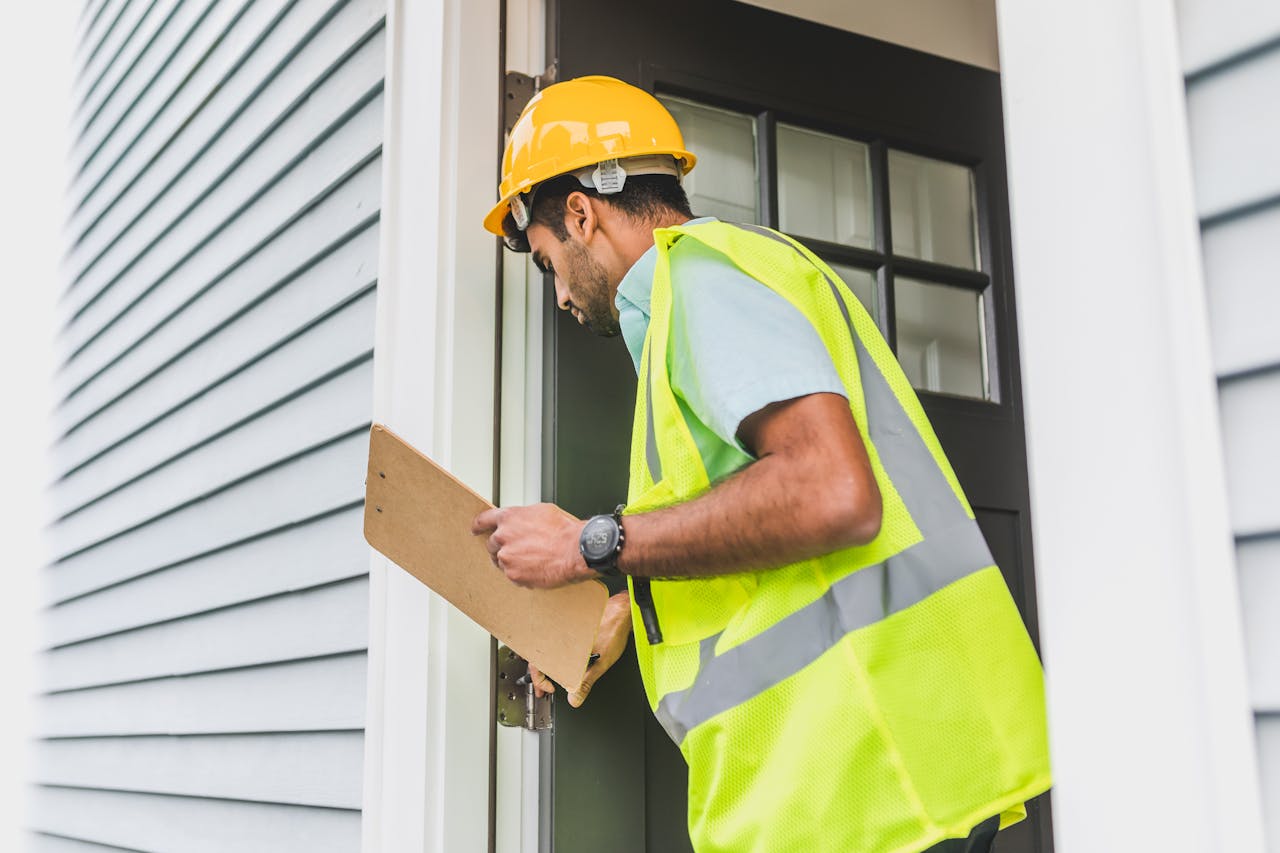


Booking your first home inspection in Ottawa can feel overwhelming. Whether you’re buying a downtown condo, a family home in Barrhaven, a starter townhouse in Orleans, or a rural property outside Kemptville, you’re about to make one of the most important financial decisions of your life. The truth is, most homeowners don’t actually know what a home inspection involves, what to expect, or how to get the most value out of it — and that’s completely normal.
As someone who has inspected homes across Ottawa, Nepean, Kanata, Stittsville, Rockland, Carleton Place, Arnprior, Cornwall, and everywhere in between, I’ve seen homeowners arrive at inspections with uncertainty, stress, or incomplete information. My goal with this guide is to take the guesswork out of your first home inspection, empower you with clarity, and help you make the smartest possible decision before you finalize your purchase.
This blog will walk you through everything you need to know — from what a home inspection actually covers, to how long it takes, to what I look for, to how you should interpret your final report. Consider this your complete roadmap.
Why Your First Home Inspection Matters More Than You Think
A home inspection isn’t just a formality — it is your single best opportunity to understand the true condition of a property before you commit. Paint can hide moisture damage. Staging can distract you from structural issues. A freshly renovated kitchen can mask underlying electrical errors. Even newer homes in Ottawa can have hidden problems caused by rushed construction, poor ventilation, or improper grading.
A thorough inspection gives you answers, not assumptions.
It reveals:
- What is functioning properly
- What needs attention soon
- What may lead to expensive repairs down the road
- What concerns are minor, cosmetic, or easy to fix
- Whether the home is safe for you and your family
When I walk into a house, I don’t see décor or layout. I see the systems that hold the home together — structure, roof, plumbing, electrical, heating, cooling, and moisture control. My job is to show you what the home really is, not just what it looks like on the surface.
Your first inspection sets the tone for your entire buying experience. You want clarity, confidence, and the ability to negotiate with facts — not hope.
What Exactly Is Included in a Home Inspection?
Many first-time homeowners think a home inspection is a quick walkthrough, but it is far more detailed. A proper inspection in Ottawa should include a top-to-bottom evaluation of every visible and accessible part of the home.
Here’s what I inspect during every standard home inspection:
1. The Roof and Exterior
I look for:
- Missing, damaged, or poorly installed shingles
- Signs of roof leaks or water entry
- Issues with flashing, gutters, and downspouts
- Siding damage, aging caulking, or improper installations
- Exterior grading and drainage patterns
- Condition of decks, porches, and exterior steps
Ottawa’s weather is harsh — heavy snow, ice, freeze-thaw cycles, and summer humidity. A weak roof can lead to serious problems.
2. The Structural Components
This includes:
- Foundation walls
- Basement slabs
- Support beams and columns
- Floor framing
- Load-bearing structures
I look for cracks, movement, bowing, moisture intrusion, and any signs of stress that could indicate deeper problems.
3. Electrical System
I evaluate:
- Main electrical panel
- Breakers and wiring
- GFCI and AFCI protection
- Grounding
- Outlets, switches, and visible junctions
Unsafe electrical issues are more common than most people realize, especially in older homes.
4. Plumbing System
This covers:
- Water supply lines
- Drainage pipes
- Water pressure
- Hot water tank or system
- Fixtures and visible plumbing connections
I check for leaks, corrosion, outdated materials, or improper installations.
5. HVAC Systems
Ottawa depends heavily on heating systems during long winters. I inspect:
- Furnaces
- Heat pumps
- Air conditioning units
- Venting
- Filters and airflow
Efficiency and safety both matter here.
6. Insulation and Ventilation
Poor ventilation is one of the most common problems in Ottawa homes, especially in attics. I check:
- Insulation depth and condition
- Moisture levels
- Ventilation paths
- Signs of mold or condensation
A home can lose 30% of heating energy through a poorly insulated attic.
7. Interior Components
I assess:
- Windows and doors
- Ceilings, floors, walls
- Stairs and railings
- Fireplaces
- Attics and crawlspaces
This helps identify wear, moisture issues, structural movement, and safety concerns.
What’s Not Included — and Why
A home inspection isn’t invasive. That means:
- I don’t open walls
- I don’t dismantle HVAC systems
- I don’t move heavy furniture
- I don’t perform specialty testing unless requested
However, I often recommend optional add-ons if I believe the home needs deeper evaluation. These include:
- Thermal imaging
- Sewer line inspection
- Air quality or mold testing
- Radon testing
These optional services catch problems that aren’t visible during a visual inspection.
How to Prepare Before Your First Home Inspection
Many homeowners show up to their inspection without knowing how to prepare. Here’s what will help you get the most from your appointment:
1. Arrive With Questions
No question is too basic. I encourage clients to ask anything they’re unsure about:
- How old is the roof?
- What should I fix first?
- Is this serious or cosmetic?
- How long will this system last?
Your inspection is your chance to learn.
2. Dress Comfortably
We may go into:
- Basements
- Attics
- Utility rooms
- The exterior of the property
Wear clothes you don’t mind getting a bit dusty.
3. Bring a Notepad or Use a Phone
You’ll get a written report later, but taking notes can help clarify things in the moment.
4. Be Ready to Follow Me During the Inspection
You don’t have to shadow me the entire time, but following along gives you hands-on understanding of your home’s condition.
What I Want Every First-Time Client to Understand
Throughout the inspection, my goal is not to overwhelm you but to educate you. Many people worry that a long list of findings means a home is bad. That’s not true.
Every home has flaws.
Even brand-new homes.
The key is understanding:
- Which issues are normal
- Which issues need monitoring
- Which issues need immediate repair
- Which issues can help you negotiate price
You’re not looking for a perfect home — you’re looking for a home that’s structurally sound and safe for long-term living.
How Long Your Ottawa Home Inspection Will Take
The average inspection takes 2.5 to 3 hours, depending on:
- Size of the home
- Age of the home
- Complexity of systems
- Weather (snow or rain may slow down exterior inspection)
Larger homes, older properties, and rural homes typically take longer.
A thorough inspection is never rushed.
What Happens After the Inspection — The Full Report
After the inspection, I prepare a detailed digital report. This is more than a checklist. It includes:
1. High-Resolution Photos
Every key finding is documented clearly and visually.
2. Explanations in Plain Language
You won’t see cryptic terms or confusing jargon.
3. Priority Levels
I categorize issues into:
- Major concerns
- Safety concerns
- Repairs needed
- Maintenance items
- Suggested improvements
4. Recommendations and Timelines
I help you understand:
- What to fix immediately
- What to plan for next year
- What can wait
- What may require a specialist
5. Full Summary for Fast Reference
Your real estate agent will appreciate this — it simplifies negotiations.
How to Use the Inspection Report to Your Advantage
Your inspection report is not just a document — it is negotiating power.
Here’s how buyers often use it:
1. Negotiating Repairs
If I find major issues, you can ask the seller to fix them before closing.
2. Negotiating Price
If repairs are needed, many buyers negotiate a lower purchase price instead.
3. Walking Away When Necessary
Sometimes the issues are too extensive. A full report gives you justification to protect yourself.
4. Planning Future Maintenance
Even after you move in, the report becomes your long-term reference for upkeep.
Common First-Time Buyer Mistakes (And How to Avoid Them)
Over the years, I’ve watched first-time buyers repeat the same costly mistakes. Here’s how to avoid them.
Mistake #1: Booking the Cheapest Inspection
A cheap inspection is usually rushed and misses critical issues.
A proper inspection pays for itself many times over.
Mistake #2: Not Attending the Inspection
Attending gives you clarity that no report can replicate.
Mistake #3: Ignoring Small Red Flags
Minor moisture stains or hairline cracks may indicate deeper issues.
Mistake #4: Forgetting About Future Costs
A home might be safe now but have upcoming expenses — aging roof, old furnace, worn plumbing.
Mistake #5: Letting Emotions Influence Decisions
The inspection helps bring objectivity back into the process.
Why Ottawa Homes Need Special Attention
Ottawa is unlike most regions in Ontario because of its unique climate and soil. Homes here face challenges such as:
- Clay-heavy soil that shifts easily
- Freeze-thaw cycles that crack foundations
- Heavy snow loads that stress roof structures
- Moisture intrusion from spring melts
- Hot, humid summers that impact attic ventilation
Understanding how local conditions impact your home is critical — and it’s why choosing an inspector familiar with Ottawa’s climate matters.
Final Thoughts: Your First Home Inspection Should Give You Peace of Mind
Your first home inspection isn’t something to rush through. It’s your chance to understand the home inside and out before making a life-changing commitment. When I inspect a home in Ottawa or any surrounding community, I approach it with one simple mindset:
If I were buying this house, what would I want to know?
My goal is to give you the same level of clarity and protection I’d expect for myself. When you finish your inspection with me, you should feel confident, informed, and ready to make the best decision for your future.
A well-performed home inspection is more than due diligence — it’s peace of mind, financial protection, and a smart investment in your long-term security.