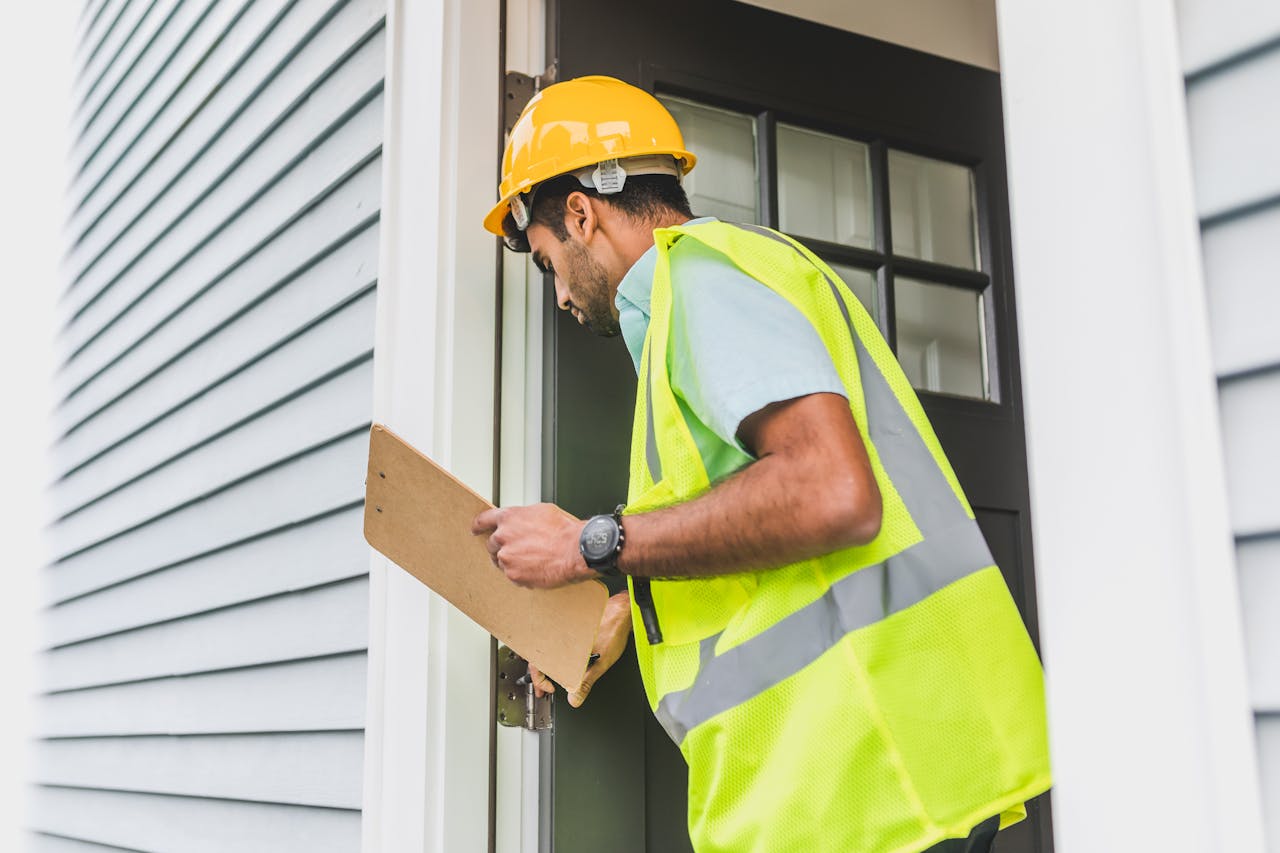


Climate change isn’t a distant threat — it’s already reshaping the way homes behave in Ottawa, Kemptville, Arnprior, Cornwall, Rockland, Orleans, Nepean, and every surrounding community I inspect. Over the last decade, I’ve watched homes respond to changing weather patterns in ways that weren’t happening twenty or thirty years ago.
This isn’t a theoretical discussion for me. It’s something I see in attics, basements, foundations, roofs, grading, mechanical systems, and building envelopes every single week. The clues show up long before homeowners realize something is shifting.
Today, I want to take you inside those findings — not as a scientist or policy expert, but as someone who inspects the real-world effects of climate change on homes every day. Homes are speaking loudly right now. My job is to translate what they’re saying.
Climate Change Has Altered How Homes Wear Down — Here’s What I’m Seeing
Eastern Ontario homes were built for a specific climate pattern: cold winters, predictable snow accumulation, consistent freeze–thaw cycles, well-defined seasons, and moderate annual rainfall.
Those patterns are no longer stable.
Over the years, I’ve documented changes directly tied to shifting climate conditions — from mold growth rates to foundation problems to roof failures to basement moisture patterns.
Below are the biggest changes revealed during my inspections.
1. Heavier Rainfall Is Overwhelming Drainage Systems
One of the most dramatic changes I’ve noticed is how poorly many homes handle today’s rainfall volumes.
Symptoms I see during inspections:
- Water pooling in areas that used to stay dry
- Overwhelmed downspouts
- Soil erosion along foundations
- Damp basement walls after short storms
- Weeping tiles failing sooner
- Grading shifting more often than before
What’s changed:
Rain isn’t just more frequent — it’s more intense. A single storm today can dump as much water as an entire month used to. The ground cannot absorb it quickly enough.
Why it matters:
Sudden downpours cause:
- Rapid hydrostatic pressure
- Basement seepage
- Foundation cracking
- Sump pump burnout
Many Ottawa homes were never designed for this level of rainfall.
2. Freeze–Thaw Cycles Are Now More Violent and More Frequent
Eastern Ontario has always had freeze–thaw cycles — but not like this. Instead of long periods of stable cold, winter temperatures now jump above and below freezing several times each week.
What I’m finding in homes:
- Foundation cracks forming earlier in a home’s life
- Existing cracks widening faster
- Roof shingles deteriorating sooner
- Brick chimneys spalling at accelerated rates
- Exterior concrete step failure
- Deck footings heaving unpredictably
Why freeze–thaw is more damaging now:
Repeated freezing and melting expand and contract materials rapidly. Older concrete, mortar, shingles, and siding were not designed for this level of stress.
Climate change has made freeze–thaw cycles one of the biggest threats to home durability.
3. Snow Is Falling Differently — And It’s Affecting Roofs in New Ways
Snow amounts aren’t the only thing changing. Snow behavior has shifted.
I see homes experiencing:
- Ice dams forming in homes that never had them
- Heavier, wetter snow causing sagging in older roofs
- Snow melting under shingles because warm spells hit mid-winter
- Refreezing that forces water upward
- Attic frost buildup turning into mid-winter moisture
Why this is happening:
Warmer intervals mixed with sudden storms cause:
- Roof temperatures to fluctuate wildly
- Snow layers to melt internally
- Ice accumulation in strange patterns
- Heat loss to accelerate under poor insulation
The patterns I’m seeing today didn’t exist fifteen years ago — even in homes with unchanged insulation levels.
4. Humidity Levels Are Changing — Inside and Outside Homes
This is one of the most overlooked effects of climate change.
In summer, I see:
- Mold growth in attics that were historically dry
- Condensation on cold basement walls
- High indoor humidity even with AC running
- Hardwood floors cupping or swelling
- Musty odours spreading faster
In winter, I see:
- Window condensation even in well-ventilated homes
- Frost forming inside attics
- Humidifiers becoming harder to balance
- Vapour barriers showing stress points
What this tells me:
Climate change has altered moisture movement patterns. Homes are designed to manage typical humidity ranges — but those ranges aren’t typical anymore.
Humidity is now a year-round threat, not a seasonal one.
5. Sump Pumps Are Running More Than Ever — And Failing More Often
If there’s one component being worked harder than it was designed to be, it’s the sump pump.
What I see during inspections:
- Pumps cycling almost continuously
- Back-up pumps running out of hours
- Homeowners unaware their pump is near failure
- Discharge lines freezing more frequently
- Pits filling faster than the pump can handle
Why it’s happening:
- Higher groundwater levels
- More rapid thaws
- Sudden heavy rains
- Rain on snow events
- Reduced absorption from saturated soil
A sump pump that used to run occasionally now works like a full-time appliance.
6. Foundations Are Experiencing More Movement Than Ever
I’m seeing foundation movement accelerate across older and newer homes:
I find:
- Step cracks on brick walls
- Vertical cracks widening noticeably year to year
- Bowed basement walls
- Slab heaving in attached garages
- Basement floors lifting or sinking unevenly
What’s different now:
- Soil saturation levels are less predictable
- Frost depth varies more dramatically
- Groundwater tables shift quickly
- Clay-heavy soil expands more frequently
Homes are simply reacting to conditions they weren’t engineered for.
7. Older Homes Are Struggling With Modern Weather Patterns
Homes built before the 1990s face unique challenges because they were designed for a totally different climate.
I commonly find:
- Insufficient attic ventilation for modern humidity
- Single-pane window performance issues now amplified
- Outdated drainage strategies overwhelmed by new rainfall levels
- Older insulation unable to manage extreme temperatures
- Aluminum wiring overheating in warmer conditions
- Brickwork deteriorating from increased moisture cycling
Older homes require updated strategies simply to keep up with present-day weather.
8. Newer Homes Are Showing Weak Spots Earlier Than Expected
Interestingly, climate stress isn’t only affecting older homes — it’s also exposing weaknesses in newer builds much faster.
Here’s what I’m discovering:
- Spray foam pulling away from studs
- Modern shingles aging prematurely
- New basements showing early efflorescence
- Vinyl siding warping under hotter summers
- Thermal bridging causing winter condensation
Climate pressures accelerate wear, even on brand-new materials.
This is why I always warn new-home buyers:
Don’t assume new construction equals resilience. Climate pressures don’t care about the build year.
9. HVAC Systems Are Being Asked to Do More Than They Were Designed For
Ottawa’s hottest days are hotter.
Its coldest days are colder.
Its temperature swings are sharper.
The result:
HVAC systems now operate in extremes far more often.
During inspections, I find:
- Furnaces short-cycling during unusual warm spells
- AC units running nearly non-stop during modern heatwaves
- Heat pumps hitting performance limits
- Ventilation systems misbalanced due to humidity changes
HVAC systems aren’t just climate control machines anymore — they’re climate adaptation tools.
10. Wood, Brick, and Concrete Are Aging Faster Than Before
Climate volatility changes how materials break down.
I see:
- Wood rot forming more rapidly
- Brick spalling accelerating
- Mortar joints deteriorating
- Concrete developing micro-cracks sooner
- Exterior finishes fading faster from UV exposure
Materials that once lasted decades under predictable conditions are now failing faster under unpredictable ones.
How I Adjust My Inspection Approach Because of Climate Change
A home built in 1975 has a different climate history than a home built in 2021.
Both now face the same climate reality.
I’ve adapted my inspection process to match this new landscape.
Here’s how:
1. I pay far more attention to moisture patterns
Before, moisture was a seasonal issue.
Today, it’s year-round.
I spend extra time checking:
- High-risk basement corners
- Exterior grading
- Downspout discharge patterns
- Attic ventilation flow
- Vapour barrier alignment
- Thermal imaging variations
Moisture used to be predictable.
Now it’s opportunistic.
2. I evaluate insulation differently
Insulation today must protect a home from:
- Increased humidity
- More rapid temperature swings
- Higher heat exposure
I look for:
- R-value inconsistencies
- Condensation points
- Gaps created by shifting lumber
- Old insulation now underperforming in modern climate
3. I inspect roofs with climate stress in mind
I don’t just check for shingle wear — I evaluate:
- Ice dam risk
- Ventilation design
- Snow load distribution
- Thermal loss that accelerates melt patterns
Roofs are no longer simple protective shells — they’re climate battlegrounds.
4. I analyze HVAC performance based on modern extreme demands
A furnace that was “adequate” 10 years ago may now be undersized.
An AC unit installed five years ago may now struggle during heatwaves.
I interpret systems based on what today’s climate demands — not past conditions.
5. I assess grading and drainage with new rainfall patterns in mind
Modern storms require:
- Longer downspout extensions
- Better slope away from foundation
- Larger window wells
- Improved swales
- Sometimes sump pump upgrades
Homes must drain more water, faster, and more predictably.
What Homeowners Can Do Today to Protect Their Home From Climate Damage
Here’s what I now recommend almost every homeowner consider:
- Improve attic ventilation
- Upgrade insulation
- Extend all downspouts significantly
- Reassess grading every spring
- Seal foundation cracks annually
- Install a sump pump battery backup
- Add basement moisture sensors
- Upgrade aging HVAC systems
- Replace deteriorating caulking
- Inspect roofs more frequently
Climate change demands preemptive maintenance — not reactive repairs.
Final Thoughts: Climate Change Is Already Inside Your Home — Whether You See It or Not
The impacts are not subtle anymore.
They’re structural.
They’re mechanical.
They’re seasonal.
They’re creeping into every part of the home.
Every year, I see homes in Eastern Ontario reacting to climate pressures more aggressively and more visibly. Some changes are gradual, others sudden — but all are real.
My job as a home inspector isn’t just to report what’s wrong.
It’s to understand why it’s happening and how to help homeowners stay ahead of it.
Climate change has rewritten the rulebook.
Homes are adapting — but not fast enough.
Inspections must adapt too.
And that’s exactly what I do.